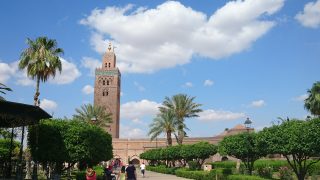
Tiskiwin Museum, Marrakesh
Museum in Marrakesh
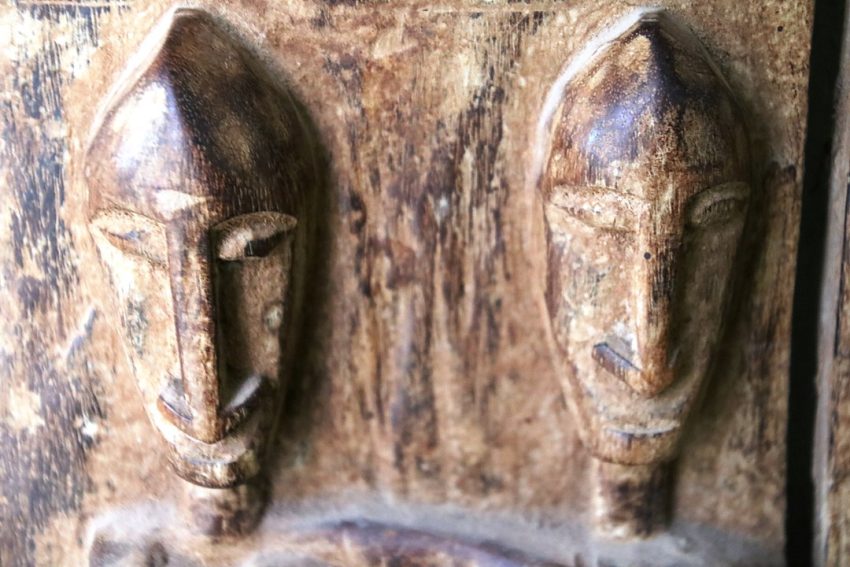
Tiskiwin Museum, also known as the Bert Flint Museum, is one of those places that feels like stepping into a different world as soon as the door closes behind you. Hidden in a traditional riad near Bahia Palace, this small but rich museum was shaped by Dutch art historian and anthropologist Bert Flint, who spent decades collecting objects that tell the story of Morocco's links with the Sahara and Sub-Saharan Africa. Rather than a dry display of artefacts, the collection is laid out as a journey from Marrakech to Timbuktu and back, inviting you to follow the ancient caravan routes through textiles, jewellery, musical instruments, and domestic objects.
The visit feels intimate and atmospheric. You climb the staircase of a classic Marrakech riad, weave through upstairs rooms, then descend into ground-floor galleries opening onto a courtyard garden. Along the way, you'll encounter Berber tents set up as if they could still be used, richly patterned carpets, baskets, and the minutiae of everyday life from Amazigh communities and Saharan towns. The fact that some 90% of these museum-quality pieces were bought in the Marrakech souks gives the whole place an extra charm: it reminds you that the markets outside are still a treasure trove of African culture, and that this quiet house is often visited on walking tours of Marrakech as a bridge between past caravan trade and today's city.
Table of Contents
- History and Significance of the Tiskiwin Museum
- Things to See and Do in the Tiskiwin Museum
- How to Get to the Tiskiwin Museum
- Practical Tips on Visiting the Tiskiwin Museum
- Where to Stay close to the Tiskiwin Museum
- Is the Tiskiwin Museum Worth Visiting?
- FAQs for Visiting Tiskiwin Museum
- Nearby Attractions to the Tiskiwin Museum
History and Significance of the Tiskiwin Museum
The Tiskiwin Museum is housed in a Moorish-style riad built in the early 20th century, a type of traditional courtyard home that once housed extended families and their guests. When Bert Flint discovered Marrakech, he fell in love not just with the city but with the broader cultural world it was connected to: the Amazigh villages of the Atlas and Anti-Atlas, the Saharan oases, and the caravan trails that used to link Morocco with places as far away as Timbuktu. Over decades, he assembled a collection that reflected this fascination and turned the riad into both his home and a living museum.
Opened to the public in 1996, Tiskiwin was designed to be more than a simple display of Moroccan crafts. Flint used his background as an art historian and anthropologist to arrange objects in a way that tells a story: not just of artistic beauty, but of movement, exchange, and daily life across regions. Each room corresponds to a step along the Marrakech-Timbuktu route, with carefully chosen pieces that evoke the landscapes, peoples, and trading cultures encountered along the way. This narrative approach makes the museum feel like a journey rather than a static collection.
Today, the Tiskiwin Museum stands out in Marrakech's cultural scene precisely because of this personal, curated feel. In a city full of big sights and grand palaces, Tiskiwin offers a quieter, more reflective experience where you can get close to objects and imagine the lives behind them. For travellers interested in Amazigh culture, caravan history, or the deeper African context of Moroccan art, it is one of the where to go in Marrakech that adds real depth to a visit.
Things to See and Do in the Tiskiwin Museum
The museum route starts with a climb up the staircase of the riad, immediately immersing you in traditional architecture: tiled floors, carved plaster, wooden ceilings, and windows that open onto the internal courtyard. Armed with the detailed guide sheets offered at the entrance (available in several languages), you follow a clearly marked path through the first-floor rooms. Each space represents a region along the old Saharan trade routes, with displays that might include clothing, tools, musical instruments, and decorative objects from that area.
Berber tents and textiles are among the highlights. Full-scale tent setups show how nomadic Amazigh families organised their living spaces, while carpets and fabrics reveal regional patterns and techniques. You can trace differences in weave, colour, and motif that reflect both local identity and the shared influences of caravan contact. Baskets, pottery, and wooden utensils complete the picture of everyday life, turning what might otherwise be “museum pieces” into parts of a larger story about how people lived, moved, and traded.
The ground floor and courtyard bring a change of atmosphere. Here, the displays feel even more intimate, with cases of ancient jewellery and personal adornment that speak of status, protection, and identity: heavy silver necklaces, fibulae used to fasten cloaks, and finely worked adornments that once travelled back and forth along the same routes as salt, gold, and manuscripts. Between rooms, you can pause in the courtyard garden, appreciating the contrast between the calm greenery inside and the busy medina streets outside. It is a small museum, but rich enough that you can easily spend an hour or more absorbing the details.
How to Get to the Tiskiwin Museum
Most visitors reach the Tiskiwin Museum as part of a wider exploration of central Marrakech. The city itself is easily accessed via Marrakech Menara Airport, which has frequent connections to major European and Moroccan cities and lies only a short drive from the medina. For the best deals and a seamless booking experience, check out these flights to Marrakesh on Booking.com. From the airport, taxis and pre-booked transfers usually drop travellers near Jemaa el-Fnaa or close to Bahia Palace, both of which are within a short walk of the museum.
If you are arriving from elsewhere in Morocco, regular trains connect Marrakech with Casablanca, Rabat, Tangier, and other major cities, pulling into the main railway station in Gueliz.Train schedules and bookings can be found on Omio. From the station, a petit taxi ride brings you to the edge of the medina, where you can walk towards Bahia Palace; Tiskiwin Museum is located in the same area, tucked into a side street nearby. Long-distance buses arrive at various terminals outside the centre, and taxis from there can similarly bring you to the Bahia-Dar Si Said-Tiskiwin cluster.
Travelling by car, you will follow the main approach roads towards the medina and then look for guarded car parks near the Bahia Palace area, which is well signposted. From the parking, it is just a few minutes on foot through narrow streets to the museum. Because Tiskiwin sits in the heart of the old city, most visitors find it easiest to explore on foot once they are in the neighbourhood, combining the museum with nearby attractions like Bahia Palace and Dar Si Said.
Practical Tips on Visiting the Tiskiwin Museum
- Suggested tips: Take advantage of the multilingual guide sheets provided at the entrance; they add valuable context to each room and help you follow the museum’s “journey” concept.
- Best time to visit: Late morning or mid-afternoon tend to be quieter, making it easier to linger in the small rooms and read the information without feeling rushed.
- Entrance fee: Expect a modest fee of just a few euros per person; bring some cash as card payments may not always be accepted.
- Opening hours: Typically open during standard museum hours (roughly late morning to late afternoon); check locally as times can change seasonally.
- Official website: https://tiskiwin.wdro.net/
- How long to spend: Allow 60-90 minutes for a relaxed visit so you can read the guide sheets and fully appreciate the details of each display.
- Accessibility: The museum route includes stairs and narrow passages around the riad, so access for visitors with reduced mobility is limited, especially on the upper floor.
- Facilities: Facilities are simple; do not expect a café inside, but there are toilets and basic services, with plenty of places to eat and drink in the surrounding streets.
- Photography tip: Focus on close-up shots of textiles, jewellery, and carved details, but respect any signs or staff instructions regarding photography in certain rooms.
- Guided tours: Some local guides include Tiskiwin as a cultural stop on private or small-group itineraries, which can help unpack the Saharan trade and Amazigh context in more detail.
- Nearby food options: The area around Bahia Palace and Rue Riad Zitoun is packed with cafés and restaurants, making it easy to stop for lunch or tea before or after your visit.
Where to Stay close to the Tiskiwin Museum
Staying near the Tiskiwin Museum means you are in one of Marrakech's most convenient and atmospheric pockets, close to Bahia Palace, Dar Si Said, and within walking distance of Jemaa el-Fnaa. A characterful option nearby is Riad Azoulay, a welcoming riad with a calm courtyard and easy access to both the museum and surrounding sights. If you would like a stylish, intimate place tucked down a quiet lane, Riad Dar One offers chic rooms and a rooftop terrace just a short stroll from Bahia and Tiskiwin. Travellers seeking a slightly larger property with a traditional feel might opt for Riad Bahia Salam, which combines classic riad architecture with spa facilities and a handy location for exploring the southern medina.
Is the Tiskiwin Museum Worth Visiting?
The Tiskiwin Museum is very much worth visiting, especially if you are interested in the deeper cultural and historical layers of Marrakech beyond its big, headline monuments. Its focus on Saharan trade routes and Amazigh material culture provides context that you simply do not get from palaces and squares alone, and the intimate riad setting makes the whole experience feel personal and immersive. For many travellers, it becomes one of the things to do in Marrakech that quietly transforms how they see the city's relationship with the wider African world.
What Other Travellers Say...

Musée Tiskiwin Marrakech, tucked into a riad at 8 Rue de la Bahia, showcases a dense collection of North African and Berber textiles, baskets, jewelry and carpets gathered by a well-traveled collector; visitors praise the range and depth of artifacts spread over several floors and an attractive internal courtyard, note the museum can feel a bit chaotic and slightly worn, and warn that it may appear closed at times though staff or occupants have opened for visitors.


FAQs for Visiting Tiskiwin Museum
Nearby Attractions to the Tiskiwin Museum
- Bahia Palace: A sprawling 19th-century palace with marble courtyards and richly decorated salons just around the corner from the museum.
- Dar Si Said Museum: Another historic palace-turned-museum focused on traditional Moroccan arts and crafts, including textiles and woodwork.
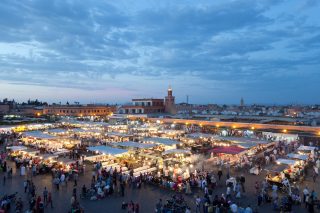
- Jemaa el-Fnaa: Marrakech's famous main square, filled with food stalls, performers, and storytellers, a short walk away through the medina.
- Marrakech Souks: The bustling market streets stretching north of Jemaa el-Fnaa, echoing the trade routes highlighted inside Tiskiwin.
- El Badi Palace: Atmospheric Saadian palace ruins with large sunken courtyards and stork-topped walls, reachable on foot in the southern medina.
The Tiskiwin Museum appears in our Complete Guide to Visiting Marrakesh!

Moira & Andy
Hey! We're Moira & Andy. From hiking the Camino to trips around Europe in Bert our campervan — we've been traveling together since retirement in 2020!
This website uses affiliate links which may earn a commission at no additional cost to you!
Planning Your Visit
Typically open during standard museum hours (roughly late morning to late afternoon); check locally as times can change seasonally.
Expect a modest fee of just a few euros per person; bring some cash as card payments may not always be accepted.
Nearby Attractions
- Dar Si Said (0.1) km
Historic Building and Museum - Bahia Palace (0.2) km
Palace - El Badi Palace (0.5) km
Palace - Jemaa el-Fnaa (0.6) km
Market and Square - Souks of Marrakesh (0.6) km
Market - Saadian Tombs (0.8) km
Palace - Walls of Marrakesh (0.8) km
City Gate and City Walls - Kasbah Mosque (1.0) km
Mosque - Koutoubia Mosque (1.0) km
Mosque - Marrakech Museum (1.0) km
Museum