Shkodra Historical Museum, Shkodër
Museum in Shkodër
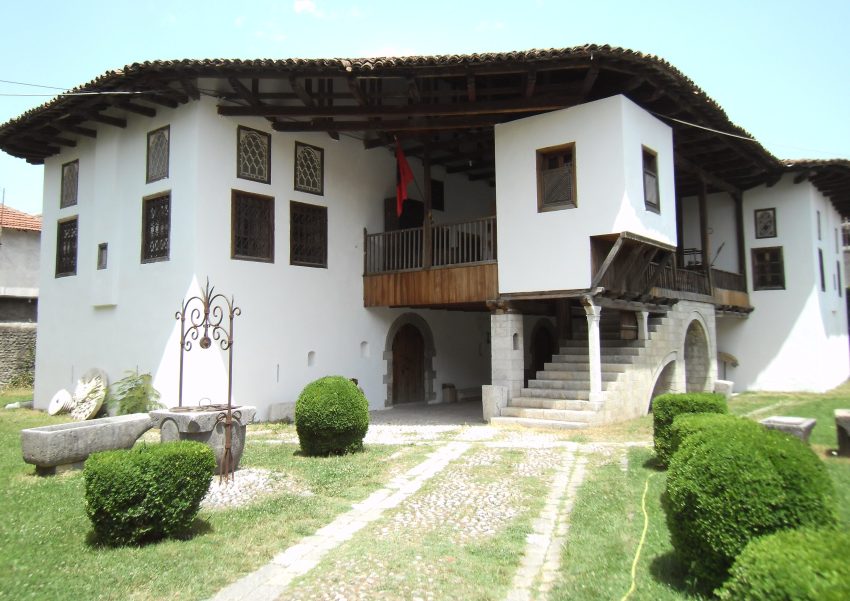
Perched on a steep, view-filled rise above central Shkodër, the Shkoder Historical Museum is the kind of place you feel before you even enter-stone walls, a fortified courtyard atmosphere, and a house that looks like it has been watching the city for generations. It is also known locally as the Oso Kuka Museum, and the setting is a major part of the experience: a traditional merchant home with Venetian influence, tucked into the old town's quiet angles and stair-stepped streets.
Inside, the visit is compact but surprisingly layered, moving from intimate period rooms to small archaeological displays that anchor Shkodër's story in real objects rather than timelines. It works particularly well as one of the things to see in Shkodër because it adds human texture to what you'll later spot around town-mosques, churches, civic buildings, and the castle above it all-and it slots neatly into a walking tour of Shkodër without requiring much time or planning.
Table of Contents
- History and Significance of the Shkoder Historical Museum
- Things to See and Do in the Shkoder Historical Museum
- How to Get to the Shkoder Historical Museum
- Practical Tips on Visiting the Shkoder Historical Museum
- Where to Stay Close to the Shkoder Historical Museum
- Is the Shkoder Historical Museum Worth Visiting?
- For Different Travelers
- FAQs for Visiting Shkoder Historical Museum
- Nearby Attractions to the Shkoder Historical Museum
History and Significance of the Shkoder Historical Museum
The museum’s identity is tied to its building: a fortified, historic residence that has served as a landmark of Shkodër’s layered past, from merchant prosperity to frontier-era drama and modern museum life. The institution itself dates back to the post-war period, when local collections were gathered to preserve regional heritage, but the house gives that heritage a lived-in setting rather than a purely gallery-style presentation.
Much of the museum’s storytelling also circles around Oso Kuka, an Albanian border guard remembered for a last-stand act that became symbolic in later independence-era narratives. The story is dramatic-cornered in a tower on Vranjina, he chose destruction over surrender-and whether you come for the history or the atmosphere, it explains why this is not simply “a museum in a house,” but a place that locals link to resilience and identity.
What makes the museum particularly relevant for travelers is the way it stitches together multiple eras of northern Albania in one stop. From early Christian and Byzantine-era material to Ottoman-period culture and the more recent, difficult chapters of the 20th century, it offers a fast, grounded overview that helps the rest of Shkodër make more sense.
Things to See and Do in the Shkoder Historical Museum
Start with the house itself. The layout, thick walls, and enclosed feel of the grounds are part of the visit, and the best approach is to slow down and notice details: the way rooms connect, the changes in light from courtyard to interior, and the sense of “defensive elegance” that suits a merchant town shaped by trade and borders.
Inside, look for the traditional guest rooms with ornate woodwork and textiles-these spaces are often the most memorable because they show how status, hospitality, and everyday life looked in a Shkodran home. They also make a useful contrast to the more formal, artifact-focused rooms, which can feel dense if you rush them.
Downstairs, the archaeological displays are small but rewarding when you read the labels carefully. The mix tends to span early Christian finds, Byzantine-era pieces, Ottoman-period objects, and material that points into the 20th century; outside, the garden details-such as old stonework elements and funerary fragments-add one more layer to the sense that Shkodër’s past sits in the open air as much as behind glass.
How to Get to the Shkoder Historical Museum
Most international visitors fly into Tirana International Airport (TIA) and continue to Shkodër overland by bus, shuttle, or private transfer. For the best deals and a seamless booking experience, check out these flights to Shkodër on Booking.com. If you are combining Shkodër with Montenegro, Podgorica Airport can be a practical alternative before crossing the border and continuing by road to the city. For the best deals and a seamless booking experience, check out these flights to Shkodër on Booking.com.
From Tirana, intercity buses and minibuses (furgons) run frequently during the day to Shkodër, usually departing from the main bus areas used for northern routes; the ride is typically straightforward and is the default choice for budget and mid-range travelers. Within Shkodër, the museum is walkable from the central streets, but expect a short, steep approach-taxis are inexpensive if you want to save your legs for later.
Albania's passenger rail network is limited, and trains are generally not a practical way to reach Shkodër for most itineraries. If you are driving, the approach into Shkodër is simple and direct on the main northbound routes, and it is often easiest to park on the flatter streets below the hill before walking up to the entrance. If you are looking to rent a car in Albania I recommend having a look at Discover Cars, first, as they compare prices and review multiple car rental agencies for you.
Practical Tips on Visiting the Shkoder Historical Museum
- Entrance fee: 150 ALL (adults); 50 ALL (children).
- Opening hours: Tuesday – Saturday: 09:00–15:00. Sunday: 09:00–13:00. Closed on Monday.
- Official website: http://muzeuhistorikshkoder.org/
- Best time to visit: Go in the late morning for softer light and fewer people, then use the rest of the day for the pedestrian streets and lakefront.
- How long to spend: Plan 30-60 minutes, longer if you like reading labels and lingering in the period rooms.
- Accessibility: The approach is steep and the house includes steps and uneven surfaces, so it can be challenging for wheelchairs and anyone with limited mobility.
- Facilities: Expect basic museum amenities rather than a full visitor center; pair the visit with a café stop in the center for restrooms and a longer break.
Where to Stay Close to the Shkoder Historical Museum
For a culture-heavy itinerary, base yourself around the pedestrian Kole Idromeno area and central streets near Sheshi Demokracia; if your trip is more about nature and fresh air, look toward the Lake Shkodra side (Shirokë) for a calmer base between day trips.
If you want to stay in the heart of the old-town atmosphere, Hotel Tradita is a strong fit for travelers who like character, local design, and being able to walk everywhere. For a more modern, full-service option right in the pedestrian zone, Hotel Colosseo & Spa is convenient for restaurants, evening strolls, and a comfortable reset after day trips. If you prefer a classic, central base with straightforward access to transport and a slightly quieter feel at night, Hotel Rozafa is a practical choice.
Is the Shkoder Historical Museum Worth Visiting?
Yes-especially if you like places where the building is as compelling as the exhibits. It is a quick visit, but it gives Shkodër a human scale: a home, a courtyard, and a set of objects that help you connect the city's streets to the broader story of northern Albania.
Honest pivot: If you are short on time and only want “big-ticket” sights, you may prefer to prioritize Rozafa Castle and the lakefront instead, then skip this museum unless you have a strong interest in domestic interiors, local hero narratives, or small archaeological collections.
What Other Travellers Say...

Shkodër History Museum on Rruga Oso Kuka 32 is a small, modest museum that offers a quick look into local life and archaeology—visitors typically spend about 15 minutes touring three compact exhibits showcasing traditional Albanian home interiors and archaeological finds, including an impressive collection of ancient coins; staff are described as friendly and helpful, admission is 200 lek, and some reviewers wished for more labels and better lighting downstairs, while noting the museum's authenticity and charming exterior (complete with resident cats).


For Different Travelers
Families with Kids
Keep it short and make it a “house exploration” rather than a museum marathon-courtyard first, then a few highlight rooms. The steep walk can tire younger kids, so consider a quick taxi up and a slower walk back down with a snack stop.
Couples & Romantic Getaways
Visit earlier in the day, then drift back into the old town for coffee and a relaxed stroll along the pedestrian streets. The hilltop setting and quiet corners make this a gentle, low-effort stop that adds atmosphere without taking over your day.
Budget Travelers
This is a good-value, low-time commitment stop that fits between free or low-cost highlights like the pedestrian center and viewpoints around town. Walk up, spend under an hour, then continue on foot to nearby sights without needing extra transport.
History Buffs
Treat it as your “context stop” before the castle: the domestic rooms and mixed-era objects help you understand what Shkodër was like beyond fortifications and wars. If you enjoy linking artifacts to places, you will get more out of it by combining the museum with Rozafa Castle and the city's older religious sites on the same day.
FAQs for Visiting Shkoder Historical Museum
Getting There
Tickets & Entry
Visiting Experience
Tours, Context & Itineraries
Photography
Accessibility & Facilities
Nearby Attractions to the Shkoder Historical Museum
- Rozafa Castle: Shkodër's signature fortress with big views and layered legends, best visited late afternoon for atmosphere.
- Marubi National Museum of Photography: A standout collection that brings Albanian life and history into sharp focus through historic images.
- Kole Idromeno Street: The city's pedestrian spine for cafés, evening strolls, and that lively Shkodër rhythm.
- Ebu Bekr Mosque: A prominent modern mosque that anchors the skyline and is easy to combine with central sightseeing.
- Shirokë on Lake Shkodra: A relaxed lakeside village feel with waterfront walks and a calmer pace after city exploring.
The Shkodra Historical Museum appears in our Complete Guide to Visiting Shkodër!

Moira & Andy
Hey! We're Moira & Andy. From hiking the Camino to trips around Europe in Bert our campervan — we've been traveling together since retirement in 2020!
This website uses affiliate links which may earn a commission at no additional cost to you!
Planning Your Visit
Tuesday - Saturday: 09:00-15:00.
Sunday: 09:00-13:00.
Closed on Monday.
150 ALL (adults); 50 ALL (children).
Nearby Attractions
- Historical Museum (0.0) km
Museum - Migjeni Theatre (0.2) km
Theatre - Englishman's Tower (0.3) km
Historic Building and Tower - Ebu Bekr Mosque (0.4) km
Mosque - Monument to Mother Teresa (0.5) km
Statue - Rruga Kolë Idromeno (0.5) km
Street - The National Museum of Photography (0.5) km
Museum - Marubi National Museum of Photography (0.5) km
Museum - Site of Witness and Memory (0.8) km
Museum - St Stephen's Cathedral (1.0) km
Cathedral