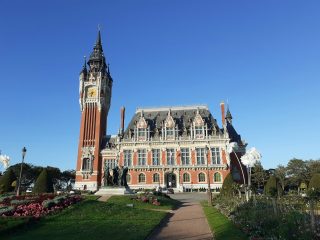
Musée Mémoire 39-45 de Calais
Historic Site, Memorial and Museum in Calais
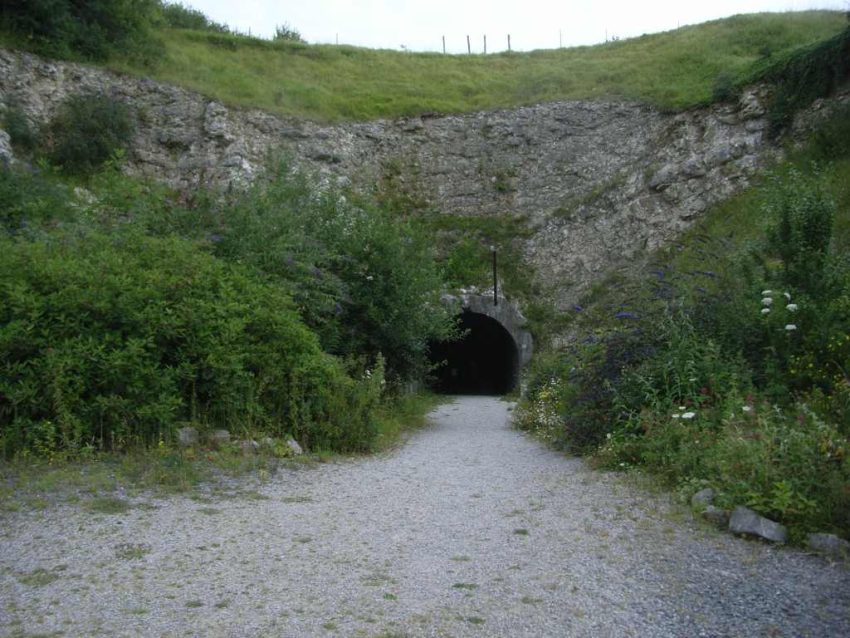
Tucked beneath the trees of Parc Saint-Pierre, the Second World War Museum in Calais (often known as Musée Mémoire 39-45) is one of the city's most atmospheric historical stops: a long, concrete wartime bunker turned into a museum of the Occupation and Liberation.
It's an easy add-on to a walking tour of central Calais, especially if you're already visiting the park, the Town Hall area, or heading toward the waterfront afterward. The bunker setting makes the experience feel immediate and personal, with room-by-room themes that are best taken slowly.
Table of Contents
- History and Significance of the Second World War Museum
- Things to See and Do in the Second World War Museum
- How to Get to the Second World War Museum
- Practical Tips on Visiting the Second World War Museum
- Where to Stay Close to the Second World War Museum
- Is the Second World War Museum Worth Visiting?
- For Different Travelers
- FAQs for Visiting Second World War Museum
- Nearby Attractions to the Second World War Museum
History and Significance of the Second World War Museum
The museum is housed inside a German bunker built during the Second World War, a structure designed for military command and communications. Visiting today, you're not just looking at objects behind glass; you're walking through a space that was part of the wartime machine that shaped daily life in Calais.
What makes this museum especially meaningful is its focus on local experience. Alongside uniforms, weapons, and equipment, you’ll find documents, posters, newspapers, and personal stories that help explain what occupation looked like on the ground.
Because Calais sits opposite England and has long been strategically important, the city was heavily affected by the conflict. The museum's chronological flow helps connect the broader war to specific events in Calais and the region, culminating in the Liberation in 1944.
Things to See and Do in the Second World War Museum
Start by embracing the layout: the museum unfolds through a series of rooms along the bunker corridor, each covering a distinct theme. Give yourself time to read the contextual panels and study the period notices and printed materials, which many visitors find more moving than the military hardware.
Look out for the sections that recreate the feel of wartime routines and restrictions, using everyday objects and photographs to show how civilians lived through occupation. The bunker environment amplifies the mood, making even small artifacts feel weightier.
If you're interested in military history, you'll still find plenty to hold your attention: uniforms, weapons, models, and detailed displays that help you visualize the Atlantic Wall era and the strategic role of Calais. If you're short on time, do a “highlights lap” first, then circle back to the rooms that resonate most.
How to Get to the Second World War Museum
The nearest major airports are in the wider region (including Lille and Paris), and Calais is also a practical arrival point if you're coming via the Channel crossing from the UK. For the best deals and a seamless booking experience, check out these flights to Calais on Booking.com.
Calais is well-connected by rail, including services to Calais-Ville and Calais-Fréthun, and from either station you can continue by local transport or a short taxi ride to Parc Saint-Pierre. You can use SNCF Connect to check schedules, compare routes, and purchase tickets for National (SNCF ) and regional trains (TER). For a more streamlined experience, we recommend using Omio, which allows you to easily compare prices, schedules, and book tickets for both National and Regional travel across all of Europe, all in one place.
If you're driving, Calais is straightforward to reach via the A16, and parking is typically easiest around the park area compared with tighter streets in the very center. If you are looking to rent a car in France I recommend having a look at Discover Cars, first, as they compare prices and review multiple car rental agencies for you.
Practical Tips on Visiting the Second World War Museum
- Official website: https://musee-3945.com/en
- Entrance fee: Adults (17+): €8.50; Children (6–16): €5.50.
- Opening hours: (Summer) April 1 – November 11: Daily: 10:00–18:30. (Winter) Christmas & February school holidays (French zones B & C; except official holidays): Daily: 10:00–18:00.
- Best time to visit: Go earlier in the day for a quieter, more reflective visit, especially in peak summer when Calais gets busier. If you're pairing it with sightseeing, visit the museum first, then do the park and central Calais afterward.
- How long to spend: Plan for about 60–90 minutes to move through the rooms at a comfortable pace. Add extra time if you like reading detailed context panels.
- Accessibility: Expect limited accessibility due to the bunker layout, with only part of the route typically step-free. If you have mobility needs, it’s worth checking ahead so you can plan the most suitable sections.
- Facilities: You'll generally find basics like restrooms and a small shop, and the park setting is convenient for a breather before or after your visit. Nearby cafés in central Calais are a good option for a longer break.
Where to Stay Close to the Second World War Museum
Base yourself in central Calais so you can walk to Parc Saint-Pierre, restaurants, and the main sights without relying on a car.
Holiday Inn Calais A reliable, comfortable choice that works well if you want easy access to both the museum and the seafront, with the convenience of a full-service hotel.
Hôtel Metropol A practical pick near the station and canalside walks, ideal if you’re arriving by train and want a straightforward base for short stays.
Hôtel Meurice A classic central option with a more traditional feel, well-placed for walking between the museum, Town Hall, and dining spots.
ibis Calais Car Ferry Good value and predictable comfort, especially handy if you’re road-tripping or catching an early ferry/Eurotunnel connection.
B&B HOTEL Calais Centre Saint-Pierre A budget-friendly base close to Parc Saint-Pierre, making it easy to start your day at the museum and explore on foot.
Is the Second World War Museum Worth Visiting?
Yes, especially if you want a compact but impactful museum that feels rooted in place. The bunker setting adds a seriousness you can’t replicate in a standard gallery, and the mix of artifacts with posters, newspapers, and local documentation helps the story land emotionally.
Honest Pivot: If you’re sensitive to war-related content or prefer highly polished, modern museum presentation, you may find parts of the experience heavy and a little dated. It’s also not the best fit if you need full step-free access throughout.
What Other Travellers Say...

Travelers rate the museum highly overall and often describe it as a compact but memorable visit, made more immersive by the authentic bunker setting. Common highlights include the room-by-room layout, a strong mix of artifacts (uniforms, weapons, models) and everyday-life items, and especially the posters, newspapers, and local documentation that bring Calais’s wartime story to life. The most frequent drawbacks are that some information isn’t fully available in English and that parts of the presentation feel a bit dated or in need of updates.


For Different Travelers
This is a focused museum experience that rewards curiosity and a willingness to slow down. Because it's in a central park, it also pairs nicely with a low-stress day of walking and sightseeing in Calais.
Families with Kids
For older kids and teens, the bunker environment can make history feel real in a way textbooks don’t. The room-by-room structure also helps you break the visit into manageable chunks.
For very young children, the setting may feel confined and the subject matter can be intense. If you do go as a family, consider a shorter visit and plan park time immediately afterward to reset.
Couples & Romantic Getaways
It's not “romantic” in the classic sense, but it can be a meaningful shared visit if you like history and thoughtful travel. The museum works well as a rainy-day plan before heading out for dinner in central Calais.
To balance the mood, pair it with a gentle walk through Parc Saint-Pierre and then continue toward the waterfront for open air and lighter scenery.
Budget Travelers
The museum is a strong value if you want a substantial indoor activity that doesn’t take an entire day. Its central location also helps you save on transport because you can reach it on foot from many hotels.
If you're building a low-cost itinerary, combine it with free nearby sights like the park itself and a self-guided walk through central Calais.
History Buffs
This is one of the most compelling WWII stops in Calais because you're inside a genuine wartime structure, not a recreated space. The emphasis on documents and local context adds depth beyond the usual “weapons and uniforms” approach.
If you're touring northern France's WWII sites, it also makes a good first stop in Calais to ground the rest of your trip in the city's specific wartime story.
FAQs for Visiting Second World War Museum
Getting There
Tickets & Entry
Visiting Experience
Tours, Context & Itineraries
Photography
Accessibility & Facilities
Food & Breaks Nearby
Safety & Timing
Nearby Attractions to the Second World War Museum
- Parc Saint-Pierre: A leafy central park that's perfect for a walk and a breather right before or after the bunker visit.
- Calais Town Hall and Belfry: An iconic landmark nearby, great for architecture lovers and an easy addition to a walking route.
- Musée des Beaux-Arts de Calais: A quieter cultural stop for art and local heritage when you want a change of pace.
- Calais Lighthouse (Phare de Calais): A classic coastal sight that pairs well with a waterfront stroll.
- Les Bourgeois de Calais (Rodin): A major sculpture in the city center that adds historical context and a strong photo stop.
The Musée Mémoire 39-45 de Calais appears in our Complete Guide to Visiting Calais!

Moira & Andy
Hey! We're Moira & Andy. From hiking the Camino to trips around Europe in Bert our campervan — we've been traveling together since retirement in 2020!
This website uses affiliate links which may earn a commission at no additional cost to you!
Planning Your Visit
(Summer) April 1 - November 11: Daily: 10:00-18:30.
(Winter) Christmas & February school holidays (French zones B & C; except official holidays): Daily: 10:00-18:00.
Adults (17+): €8.50; Children (6-16): €5.50.
Nearby Attractions
- Fontaine des Trois Graces (0.1) km
Fountain, Park and Sculpture - Parc Saint-Pierre (0.2) km
Fountain, Gardens and Park - Remembrance Monument (0.2) km
Memorial, Monument and Square - Les Bourgeois de Calais (0.2) km
Monument, Sculpture and Statue - Hôtel de Ville (0.2) km
Historic Building and Town Hall - Parc Richelieu (0.5) km
Attraction, Gardens and Park - Grand Theater de Calais (0.5) km
Arts Venue, Historic Building and Theatre - Jacquard Statue (0.5) km
Monument, Sculpture and Statue - Fine Arts Museum (0.6) km
Arts Venue, Attraction and Museum - Rue Royale (0.6) km
Area, Street and Walk