Sapa Museum
Museum in Sapa
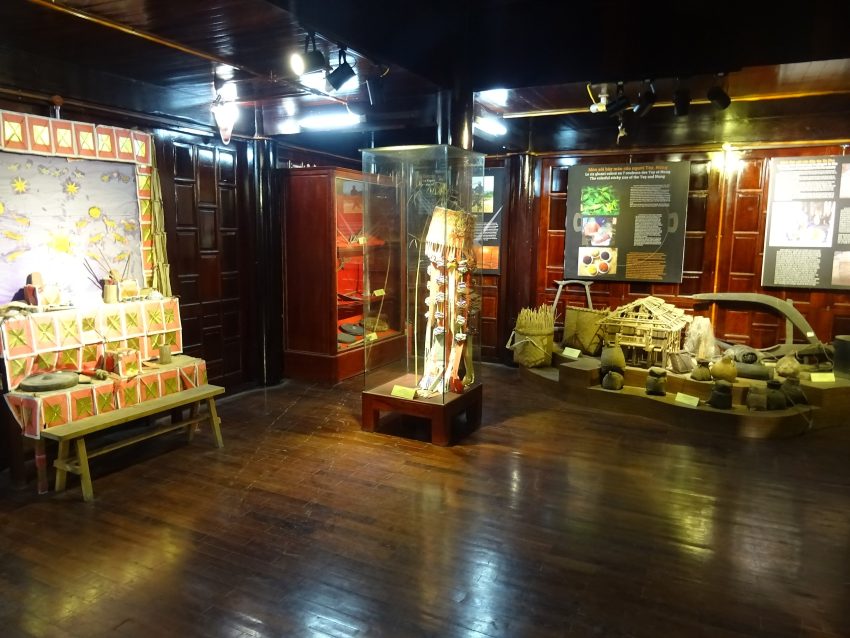
Sapa Museum is a small, easy-to-miss highlight in the very heart of town, tucked into the tourism centre complex on Fansipan Street, close to the Stone Church and the main square. It's not the kind of museum you plan an entire day around, but it's one of the things to do in Sapa when you want quick context for everything you're seeing outside-traditional dress, village life, and the mountain cultures that shape this region.
What I like most is how it fits naturally into a slower stroll through central Sapa: pop in when the weather turns foggy, or use it as a calm reset between viewpoints and markets. It also works nicely as a first stop on a walking tour of Sapa, because it helps you recognise textiles, tools, and symbols you'll notice again in villages and craft shops.
Table of Contents
- History and Significance of the Sapa Museum
- Things to See and Do in the Sapa Museum
- How to Get to the Sapa Museum
- Practical Tips on Visiting the Sapa Museum
- Where to Stay Close to the Sapa Museum
- Is the Sapa Museum Worth Visiting?
- For Different Travelers
- FAQs for Visiting Sapa Museum
- Nearby Attractions to the Sapa Museum
History and Significance of the Sapa Museum
Sapa Museum was established to preserve and present the cultural heritage of the ethnic communities living in and around Sapa, with displays that typically cover groups such as the Hmong, Red Dao, Tay, Giay, Ha Nhi, and Xa Pho. Many visitors use it as a grounding introduction before heading out to the valleys, because it puts names, photos, and everyday objects to the people you'll meet on treks and in markets.
The museum is widely described as having been founded in 2007, with an emphasis on documenting local traditions and Sapa’s historical development. In practical terms, that means you’ll see a mix of historic photographs, short explanations, and cultural snapshots rather than a huge chronological collection.
It also sits in a meaningful location: right in town, near the tourist information hub, making it an accessible cultural stop rather than a destination that requires special transport. That convenience is part of its significance-it's a low-effort way to add depth to your Sapa itinerary, especially if you're short on time or the weather limits mountain views.
Things to See and Do in the Sapa Museum
Start with the exhibits upstairs, where you’ll usually find a compact walkthrough of Sapa’s story plus sections focused on clothing, textiles, and daily tools. It’s the kind of place where reading the captions matters; the objects are simple, but the details help you understand what you’re seeing later in villages (especially embroidery styles and how traditional clothing is put together).
Look out for older photographs and town-history panels that touch on the colonial period and early development of Sapa as a mountain retreat. Even if the displays feel modest, they give you anchors-dates, names, and context-that make the Stone Church and surrounding architecture feel less like random landmarks and more like pieces of a timeline.
If you enjoy crafts, give yourself time on the lower level as well, where you may find locally made textiles and small items that are better as meaningful souvenirs than the mass-produced stuff elsewhere. Even a short browse can sharpen your eye for quality weaving and embroidery, which helps when you’re deciding what to buy in markets.
How to Get to the Sapa Museum
The nearest major airport for reaching Sapa is Hanoi's Noi Bai International Airport, and most travellers continue from Hanoi to Sapa by road. For the best deals and a seamless booking experience, check out these flights to Sapa on Booking.com.
From Hanoi, a common approach is the overnight train to Lao Cai, followed by a shuttle bus or taxi up the mountain road to Sapa town. Train schedules and bookings can be found on Omio.
Direct buses and sleeper buses from Hanoi to Sapa are also widely used, especially if you prefer a single ticket and fewer changes. Once you arrive in central Sapa, the museum is walkable from the main square and Stone Church area.
If you're travelling independently, driving or hiring a private car from Hanoi gives you flexibility for stops and timing, but expect winding mountain roads on the final approach.
In town, the simplest route is on foot: aim for the Stone Church, then walk toward Fansipan Street and the nearby tourist information complex-ask at the desk if you don’t see the museum entrance immediately, as it can be tucked just out of sight.
Practical Tips on Visiting the Sapa Museum
- Entrance fee: Free.
- Opening hours: Daily: 07:30–11:30 & 13:30–17:00.
- Best time to visit: Go early in your stay, so the cultural background clicks into place before markets and village visits, or duck in when fog or rain hides the mountain views.
- How long to spend: Plan 30-60 minutes for a satisfying visit, longer if you like reading every caption and browsing crafts afterward.
- Accessibility: Expect a small, simple venue that may involve stairs and tight corners; if mobility is a concern, take it slowly and focus on the most readable, well-labelled sections.
- Facilities: Treat it as a short indoor stop; you’ll find better café breaks and rest options immediately nearby around the church, square, and central streets.
Where to Stay Close to the Sapa Museum
For a culture-heavy itinerary, base yourself in central Sapa around the Stone Church and the main square so you can walk to key sights, cafés, and evening atmosphere without relying on taxis.
If you want a high-comfort stay right in the centre, Hotel de la Coupole - MGallery is ideal for being steps from town life while still feeling like a destination in itself. If you prefer a well-regarded, traveller-friendly option with a strong location for walking everywhere, Sapa Horizon Hotel puts you close to the church, restaurants, and the museum route. For a central base that keeps you near the pedestrian buzz of Cầu Mây, Hotel Sapa Square Affiliated by Meliá is another convenient pick for quick walks back and forth between sights.
Is the Sapa Museum Worth Visiting?
Yes, if you want Sapa to feel more meaningful than just viewpoints and photo stops. The museum is small, but it adds context you'll carry into markets, village walks, and conversations-especially around textiles, daily tools, and the identities of different ethnic groups.
It’s also one of the easiest wins in town: minimal effort, modest time commitment, and particularly useful when weather turns grey and you want an indoor stop that still feels connected to the region.
What Other Travellers Say...

Sapa Culture Museum is a small, free museum tucked up a short flight of stairs off the main entrance on Fansipan in Sa Pa that introduces the area's ethnic groups through photos, displays and brief historical notes; visitors say it's quietly informative, has English translations, takes roughly 30–45 minutes to explore, and includes a downstairs shop selling mostly handmade souvenirs.


For Different Travelers
Families with Kids
This works best as a short, scavenger-hunt style visit: pick a few things to spot (a traditional outfit, a farming tool, an old photo) and keep it moving. If you try to read everything, kids usually lose interest quickly, so treat it as a quick cultural sampler before heading back outside.
Pair it with an easy, rewarding follow-up like the lake area or a snack stop nearby, so the museum feels like part of a fun loop rather than a standalone “serious” activity. On misty days, it can be a helpful break from wet streets and slippery steps.
Couples & Romantic Getaways
As a couple, the museum is a great “context stop” before a slow wander through the prettiest central streets-short enough not to derail your day, but thoughtful enough to deepen what you’re seeing. It’s especially nice when the town is wrapped in fog and you want something calm to do together between cafés.
Afterwards, stroll back toward the church and viewpoint spots and you’ll notice details differently-patterns, fabrics, and the way Sapa’s history sits alongside its mountain setting. It’s a gentle way to add substance to a romantic, unhurried day.
Budget Travelers
This is a smart addition when you’re watching spending because it delivers cultural value without demanding a tour or transport. Use it as your “orientation session” to understand which crafts are traditional and what motifs you’ll see repeated in markets, helping you shop more confidently later.
It also helps you build a walking-only day in central Sapa: museum, church, market streets, and lake area can all be done on foot. That kind of route keeps costs down while still feeling like a full itinerary.
History Buffs
Don’t expect a large-scale museum experience; instead, come for the local lens-Sapa’s development, older photographs, and snapshots of community life. Read the captions carefully and you’ll get the most from it, especially around how different groups are represented and how the town changed over time.
For extra depth, combine this with a slow walk around central Sapa architecture and the church area to see how the historical narrative appears in the streetscape. The museum becomes most satisfying when it's part of a broader, observant town wander rather than a standalone stop.
FAQs for Visiting Sapa Museum
Getting There
Tickets & Entry
Visiting Experience
Tours, Context & Itineraries
Photography
Accessibility & Facilities
Food & Breaks Nearby
Safety & Timing
Nearby Attractions to the Sapa Museum
- Sapa Stone Church: The town's landmark church and square, ideal for people-watching and a quick orientation stop before wandering the centre.
- Sapa Square: The central hub for evening atmosphere, photos, and an easy starting point for short walks between key sights.
- Ham Rong Mountain: A convenient viewpoint hike from town with gardens and panoramas when the clouds lift.
- Sapa Lake: A gentle, easy stroll that's especially nice at dusk when the town lights come on.
- Sapa Market: A lively place to browse produce, snacks, and everyday town life, best visited with a curious appetite.
The Sapa Museum appears in our Complete Guide to Visiting Sapa!

Moira & Andy
Hey! We're Moira & Andy. From hiking the Camino to trips around Europe in Bert our campervan — we've been traveling together since retirement in 2020!
This website uses affiliate links which may earn a commission at no additional cost to you!
Planning Your Visit
Daily: 07:30-11:30 & 13:30-17:00.
Free.
Nearby Attractions
- Sapa Stone Church (0.2) km
Church - Sapa Lake (0.7) km
Lake - Cat Cat Village (1.0) km
Village - Sapa Market (1.2) km
Market - Thac Bac (Silver) Waterfall (7.1) km
Waterfalls - Fansipan Mountain (7.6) km
Cable Car, Mountain and Viewing Point - Hoang Su Phi Rice Terraces (94.4) km
Viewing Point - Quản Bạ Heaven Gate (142.4) km
Pass - H'Mong King's Palace (178.1) km
Historic Building and Palace - Lũng Cú Flag Tower (189.6) km
Viewing Point