Sapa Market
Market in Sapa
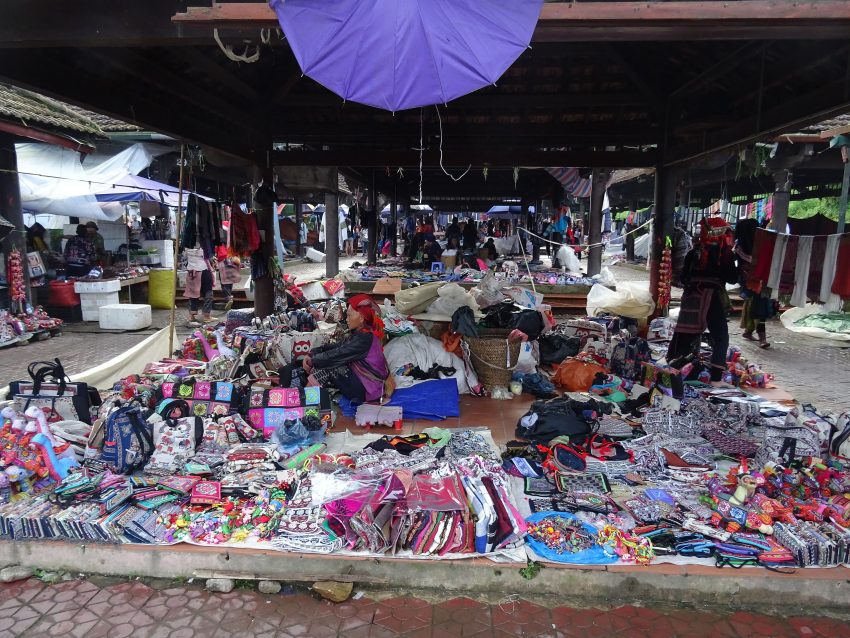
Sapa Market is the practical, everyday heartbeat of town-a two-level market hall where locals stock up on food, fabrics, and household basics, while travellers come to browse mountain specialties and people-watch. You'll find it on Luong Dinh Cua Street, slightly away from the prettiest postcard lanes of central Sapa, which is exactly why it feels more functional and less “set up” than some tourist spots.
If you want a quick window into how Sapa actually runs, this is one of the things to do in Sapa that delivers the goods: unfiltered daily life, small-scale trading, and the kind of casual interactions you don't get at ticketed attractions. It also slots neatly into a walking tour of Sapa if you pair it with nearby central sights and stop in for a snack before moving on.
Table of Contents
- History and Significance of the Sapa Market
- Things to See and Do in the Sapa Market
- How to Get to the Sapa Market
- Practical Tips on Visiting the Sapa Market
- Where to Stay Close to the Sapa Market
- Is the Sapa Market Worth Visiting?
- For Different Travelers
- FAQs for Visiting Sapa Market
- Nearby Attractions to the Sapa Market
History and Significance of the Sapa Market
Markets have long been the social engine of Vietnam's northern highlands-places where hill communities come down to trade, swap news, and stock up for the week. In Sapa, that market culture evolved as the town grew into a travel hub, so the modern market is less a single “event” and more a daily rhythm, with the most interesting atmosphere usually building in the morning and on weekends.
Today's Sapa Market is closely tied to the town's role as a meeting point between different minority villages and the lowland supply chain. Even if you're not planning to buy much, the market still works as a cultural snapshot: what's in season, what people cook, what textiles are worn, and what travellers tend to take home as souvenirs.
There’s also a practical significance that’s easy to overlook: this is where local households shop. That means prices can be more grounded than in boutique stores, and the goods skew useful-herbs, spices, dried foods, simple clothing-rather than purely decorative. Approach it with curiosity, and it becomes a small lesson in mountain living.
Things to See and Do in the Sapa Market
Start with a slow lap of the food areas, where you’ll spot the ingredients that shape highland cooking-greens, mushrooms, spices, and preserved items that travel well. Even if you don’t eat at the stalls, it’s worth pausing to see what locals are buying, because it’s often the quickest way to understand what’s truly “local” versus what’s been imported for visitors.
Head upstairs for textiles and everyday shopping: you’ll typically find clothing, accessories, and colourful fabric pieces that range from genuinely handcrafted to mass-produced versions inspired by traditional patterns. If you’re shopping, look for quality cues-tight stitching, heavier fabric, natural dyes-and don’t be shy about asking where something was made (even a simple answer tells you a lot).
Finally, treat the market as an atmosphere stop. The best moments are small: a vendor arranging produce into neat piles, friends sharing breakfast, travellers trying unfamiliar snacks, and the subtle shift as the market gets busier. Keep your camera respectful, ask before close-up photos, and you’ll come away with better memories than any single purchase.
How to Get to the Sapa Market
Most travellers fly into Hanoi's Nội Bài International Airport (HAN), then continue to Sapa by road or rail. For the best deals and a seamless booking experience, check out these flights to Sapa on Booking.com. From Hanoi, sleeper buses and limousines run frequently and are usually the simplest option if you want a direct ride into town.
If you prefer rail, take an overnight train from Hanoi to Lào Cai, then continue by shuttle bus, taxi, or private transfer up the mountain road to Sapa. Train schedules and bookings can be found on Omio. This option can feel more relaxed, especially if you like breaking up the journey and arriving early.
From central Sapa, you can reach the market on foot if you don't mind a longer walk, but a quick taxi or motorbike ride is the most convenient-particularly if you plan to buy anything bulky. If you're travelling independently, driving from Hanoi is doable, but the final stretch is mountainous and weather can change quickly, so it's best for confident drivers.
Practical Tips on Visiting the Sapa Market
- Entrance fee: Free.
- Opening hours: Daily: 06:00–18:00
- Best time to visit: Aim for early morning for the liveliest local feel and the freshest produce, then circle back later if you want a calmer browse for textiles and souvenirs.
- How long to spend: One hour is enough for a good wander, but give yourself longer if you like to snack, photograph details, or shop slowly.
- Accessibility: The main building is generally easier than village markets, but expect uneven edges, steps, and tight aisles at busy times.
- Facilities: You’ll usually find basic amenities and places to grab simple food nearby, but bring small cash and hand sanitiser for an easier visit.
Where to Stay Close to the Sapa Market
For a culture-heavy itinerary, base yourself in central Sapa near the Stone Church and the main streets; if your trip is more about views and quiet mornings, look to hillside stays toward Muong Hoa Valley.
If you want a stylish, central base with easy access to cafés and transport links, Hotel de la Coupole - MGallery is a strong choice and makes it easy to fold the market into a broader town stroll. For a comfortable mid-range stay with a more personal feel and a great location for walking around town, Sapa Horizon Hotel is a reliable pick. If you’re prioritising mountain views and hotel comforts after day trips, Pao's Sapa Leisure Hotel works well, especially if you plan to spend more time relaxing between excursions.
Is the Sapa Market Worth Visiting?
Yes-if you like places that feel lived-in and practical, Sapa Market is a simple, low-effort way to understand the town beyond the viewpoint stops and curated experiences. It's not a “wow” attraction in the traditional sense, but it's the kind of place that adds texture to your trip: real food, real shopping, and the everyday rhythm of Sapa.
If you’re short on time, it’s still worth a quick pass-especially in the morning-because you can combine it with nearby central sights and snacks without committing half your day. Just go in with the right expectations: some stalls are aimed at tourists, but the local core is what makes it worthwhile.
What Other Travellers Say...

Sa Pa Night Market on Lương Định Của in Sa Pa is an evening market that opens nightly from about 6:30–11:30 PM, where visitors find a lively, festival-like atmosphere with colorful stalls offering fruits, coffee, souvenirs, clothes, plants, grilled meats and local snacks like pork skewers, sticky rice cooked in bamboo and a distinctive sweet soup; shoppers recommend comparing prices and bargaining, bring cash and a jacket as it gets chilly, and expect crowds, local cultural performances and some unusual food items and handcrafted goods such as knives and H’mong and Dao handicrafts.


For Different Travelers
Families with Kids
Go early, keep it short, and treat it like a sensory stroll: bright textiles, busy scenes, and quick snacks usually land well with kids without dragging on. If you have a stroller, be prepared to lift it over the occasional step and avoid peak crowd times when aisles tighten.
Build in a “reset” stop right after-somewhere open and calm-so the market feels like a fun burst rather than an endurance test. Let kids choose one small item (a snack or simple souvenir), and the visit becomes instantly more engaging.
Couples & Romantic Getaways
Use the market as a relaxed, authentic stop between more scenic moments-something to do together that doesn’t require a plan or a ticket. Pick out a small edible souvenir, then head to a café for a slow break and a bit of people-watching.
For a more romantic rhythm, visit in the morning, then spend the rest of the day on viewpoints or a gentle walk. The market works best as a grounding contrast to Sapa’s big landscapes.
Budget Travelers
This is a good place to browse without pressure, snack cheaply, and get a feel for local pricing before you buy elsewhere. Keep small notes handy, compare a couple of stalls, and don’t assume the first “tourist-facing” price is the final one.
If you’re shopping for textiles, focus on quality over quantity-one well-made item will outlast a bag of impulse buys. Budget time for wandering, because the best finds are usually the ones you notice slowly.
FAQs for Visiting Sapa Market
Getting There
Visiting Experience
Photography
Accessibility & Facilities
Nearby Attractions to the Sapa Market
- Sapa Stone Church: The town's best-known landmark and an easy reference point for navigating central Sapa.
- Sapa Lake: A gentle loop for a break from traffic, especially nice for a slow stroll and people-watching.
- Ham Rong Mountain: A close-to-town viewpoint walk that’s ideal if you want scenery without a full-day trek.
- Sun Plaza and the Fansipan Station area: A lively hub for transport, cafés, and onward routes toward bigger mountain experiences.
- Sapa Museum: A quick cultural stop that adds context before you head into villages and viewpoint country.
The Sapa Market appears in our Complete Guide to Visiting Sapa!

Moira & Andy
Hey! We're Moira & Andy. From hiking the Camino to trips around Europe in Bert our campervan — we've been traveling together since retirement in 2020!
This website uses affiliate links which may earn a commission at no additional cost to you!
Planning Your Visit
Daily: 06:00-18:00
Free.
Nearby Attractions
- Sapa Lake (0.6) km
Lake - Sapa Stone Church (1.0) km
Church - Sapa Museum (1.2) km
Museum - Cat Cat Village (2.2) km
Village - Thac Bac (Silver) Waterfall (8.0) km
Waterfalls - Fansipan Mountain (8.8) km
Cable Car, Mountain and Viewing Point - Hoang Su Phi Rice Terraces (93.2) km
Viewing Point - Quản Bạ Heaven Gate (141.2) km
Pass - H'Mong King's Palace (177.0) km
Historic Building and Palace - Lũng Cú Flag Tower (188.5) km
Viewing Point