Santuario di Santa Maria della Palomba, Matera
Church and Religious Building in Matera
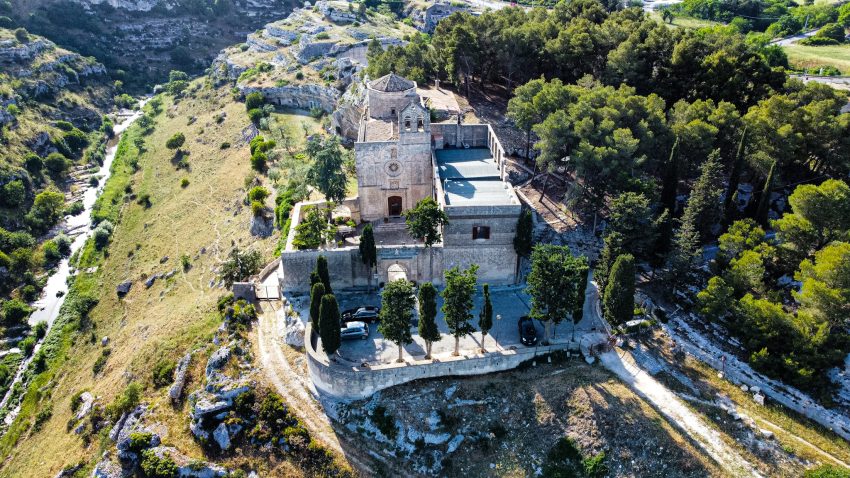
Santuario di Santa Maria della Palomba is a small, atmospheric sanctuary just outside Matera, perched near the edge of the Gravina landscape. It's the kind of place that feels removed from the city's buzz: a short approach walk leads you into a simple façade and then into unexpectedly layered spaces where stone, chapels, and devotional art create a “time-capsule” feeling.
It pairs beautifully with a walking tour that focuses on Matera's rupestrian heritage and viewpoints over the ravine, especially if you want a calmer counterpoint to the busier Sassi. For the best experience, combine the sanctuary with a quick stop at nearby panoramic lookouts and nature paths around the Gravina for that classic Matera mix of sacred history and dramatic scenery.
Table of Contents
- History and Significance of the Santuario di Santa Maria della Palomba
- Things to See and Do in the Santuario di Santa Maria della Palomba
- How to Get to the Santuario di Santa Maria della Palomba
- Practical Tips on Visiting the Santuario di Santa Maria della Palomba
- Where to Stay Close to the Santuario di Santa Maria della Palomba
- Is the Santuario di Santa Maria della Palomba Worth Visiting?
- For Different Travelers
- FAQs for Visiting Santuario di Santa Maria della Palomba
- Nearby Attractions to the Santuario di Santa Maria della Palomba
History and Significance of the Santuario di Santa Maria della Palomba
The sanctuary’s identity is closely tied to Matera’s long tradition of rock-cut worship spaces. While the visible church structure dates to the late 16th century, it incorporates and preserves an older rupestrian nucleus, reflecting how devotion here evolved from a cave-church setting into a more formal sanctuary.
Its dedication to the Madonna and the Holy Spirit is echoed in the site's iconography and local devotion. Visitors often come not only for art and architecture, but also for the sense of continuity: a place shaped by pilgrimage, prayer, and the rhythms of rural Matera at the ravine's edge.
Inside, the sanctuary’s significance becomes tangible through its chapels, devotional furnishings, and older painted layers. Even if you’re not visiting for religious reasons, it’s an excellent stop to understand how medieval and post-medieval sacred spaces in this region often overlap in one compact, memorable complex.
Things to See and Do in the Santuario di Santa Maria della Palomba
Start by slowing down in the main interior and letting your eyes adjust to the details: painted surfaces, sculptural elements, and the way the building transitions from “church” to more ancient-feeling spaces. Many visitors find the murals and the overall atmosphere to be the highlight, especially as you move deeper into adjoining rooms.
Look for older fresco work and the sanctuary’s layered construction, which is part of what makes it feel like a journey backward in time. If areas are under restoration, treat it as a reminder that these sites are living heritage; you may still be able to appreciate key chapels and the overall setting.
Before you leave, step outside and take in the surrounding greenery and ravine-side views. This is a great spot for a quiet pause, and it’s also a natural add-on to a half-day itinerary that includes Gravina viewpoints and nearby rupestrian sites.
How to Get to the Santuario di Santa Maria della Palomba
The nearest major airports are Bari Karol Wojtyła Airport (BRI) and Brindisi Airport (BDS), with Naples International Airport (NAP) as another option if you're building a broader southern Italy route. For the best deals and a seamless booking experience, check out these flights to Matera on Booking.com.
Matera is reachable by rail connections via Bari (commonly using Ferrovie Appulo Lucane services), and from the station you can continue by taxi or local transport toward the sanctuary area. Use Omnio to easily compare schedules, book train tickets, and find the best prices all in one place for a hassle-free journey across Italy.
If you're driving, the sanctuary is easiest to reach by car from central Matera via the SS7 corridor area, then following local signage toward Contrada Pedale della Palomba and parking near the entrance approach. If you are looking to rent a car in Italy I recommend having a look at Discover Cars, first, as they compare prices and review multiple car rental agencies for you.
Practical Tips on Visiting the Santuario di Santa Maria della Palomba
- Entrance fee: Free; donations appreciated.
- Opening hours: Daily: 08:30–19:00.
- Best time to visit: Go in the morning for softer light and fewer visitors, or late afternoon if you want a quieter, reflective feel. Avoid arriving right at the edge of posted hours since closures can happen.
- How long to spend: Plan 30–60 minutes for a quick visit, and up to 90 minutes if you like to linger over frescoes and explore the adjoining spaces slowly.
- Accessibility: Expect uneven surfaces and potential steps, especially if you move into older or rock-cut sections; comfortable shoes are important. If you have mobility needs, consider visiting with someone who can assist and be prepared to limit which areas you enter.
- Facilities: Facilities are limited on-site, so bring water and plan restroom stops in Matera before or after. Treat it as a quiet worship space and keep noise low.
Where to Stay Close to the Santuario di Santa Maria della Palomba
Base yourself in the Sassi or the historic center of Matera for the easiest sightseeing, the best evening atmosphere, and the widest choice of restaurants and guided tours.
Aquatio Cave Luxury Hotel & Spa A standout for travelers who want a memorable cave-stay experience with a high-end spa, ideal after a day of walking between churches, viewpoints, and rupestrian sites.
Palazzo Gattini Luxury Hotel A classic choice near the Cathedral area, great for couples and design lovers who want refined rooms and an easy base for sunrise and sunset strolls.
Sextantio Le Grotte della Civita Perfect if you want a deeply atmospheric, heritage-forward stay that matches the sanctuary’s “time-travel” vibe.
Hotel San Domenico al Piano Reliable and convenient for travelers who want straightforward comfort and quick access to transport links and the modern center.
Residence Villa della Palomba A practical pick if you prefer staying closer to the sanctuary area and want a quieter, more residential feel just outside the busiest lanes of the Sassi.
Is the Santuario di Santa Maria della Palomba Worth Visiting?
Yes, especially if you're drawn to quiet, lesser-known sacred places with real atmosphere. It's not a “big-ticket” monument, but it delivers something many visitors miss in Matera: a slower, more contemplative encounter with frescoes, stone spaces, and ravine-side calm.
Honest Pivot: if your time in Matera is very limited and you're focused on the headline Sassi viewpoints, major museums, and the most photographed churches, you might skip it. It's best for travelers who enjoy detours, don't mind a bit of walking and uneven ground, and can be flexible if restoration work or unexpected closures affect access.
What Other Travellers Say...

Reviews are overwhelmingly positive, with visitors describing a striking “time-capsule” atmosphere as you move through the chapel and adjoining spaces. Common highlights include the murals/frescoes, the sense of history layered into the architecture, and the peaceful natural setting near the ravine. A recurring downside is practical unpredictability: occasional closures earlier than expected and periods of restoration work that can limit access or the full experience.


For Different Travelers
Santuario di Santa Maria della Palomba works well as a short, meaningful add-on rather than a full standalone excursion. Think of it as a quiet chapter in your Matera itinerary: a place to slow down, look closely, and then continue on to viewpoints and cave-church context nearby.
Families with Kids
For families, the visit can be a calm break from the crowded lanes of the Sassi, especially if your kids enjoy “secret places” and exploring spaces that feel like a story setting. Keep the visit short and set expectations: it’s more about atmosphere and looking than hands-on activities.
Pair it with an easy nature stop nearby so kids can move around afterward. A snack and water plan helps since on-site services are limited.
Couples & Romantic Getaways
Couples will likely love the sanctuary’s quiet, cinematic mood and the sense of discovery as you move through adjoining spaces. It’s a great place for a slower-paced morning or a reflective stop before golden-hour viewpoints.
If you’re building a romantic day, combine it with a scenic walk and then a long lunch back in Matera’s historic center. The contrast between ravine-side calm and evening lights in the Sassi is the payoff.
Budget Travelers
Budget travelers will appreciate that this is typically a low-cost stop that still feels special and “off the beaten path.” It’s also a good alternative when you want meaningful sights without stacking up ticket costs.
To keep things simple, use public transport to get close and then walk, or share a taxi with other travelers. Bring essentials (water, snacks) and plan your day so you’re not forced into expensive last-minute options.
History Buffs
History lovers will enjoy how the sanctuary expresses multiple layers of time in one place, from older rock-cut worship traditions to later architectural interventions. It’s a strong complement to Matera’s better-known rupestrian churches because it reinforces the broader pattern of sacred continuity in the landscape.
Visit slowly and look for evidence of adaptation: how spaces were expanded, decorated, and maintained over centuries. Even brief restoration work can be interesting if you’re curious about conservation and living heritage.
FAQs for Visiting Santuario di Santa Maria della Palomba
Getting There
Tickets & Entry
Visiting Experience
Tours, Context & Itineraries
Photography
Accessibility & Facilities
Food & Breaks Nearby
Safety & Timing
Nearby Attractions to the Santuario di Santa Maria della Palomba
- Parco Scultura La Palomba: An open-air sculpture park in a former tuff quarry area, an unusual contemporary-art contrast to Matera’s ancient stone landscape.
- Parco della Murgia Materana: A protected ravine-side park with trails and viewpoints that showcase Matera’s dramatic setting.
- Belvedere Murgia Timone: One of the most famous panoramic viewpoints for photographing the Sassi across the Gravina.
- Casa Grotta nei Sassi di Matera: A recreated cave dwelling that helps you understand daily life in the Sassi.
- Cattedrale di Matera: The city's cathedral area is a must for architecture and sweeping views over the Sassi.
The Santuario di Santa Maria della Palomba appears in our Complete Guide to Visiting Matera!

Moira & Andy
Hey! We're Moira & Andy. From hiking the Camino to trips around Europe in Bert our campervan — we've been traveling together since retirement in 2020!
This website uses affiliate links which may earn a commission at no additional cost to you!
Planning Your Visit
Daily: 08:30-19:00.
Free; donations appreciated.
Nearby Attractions
- Convento di Sant'Agostino (1.1) km
Church, Convent and Viewing Point - Madonna delle Virtu (1.3) km
Cave, Historic Site and Religious Building - Ipogeo MateraSum (1.3) km
Attraction, Cave and Historic Site - Chiesa di San Giovanni Battista (1.3) km
Church, Historic Building and Religious Building - Museo-Laboratorio della Civilta Contadina (1.4) km
Historic Room, Historic Site and Museum - Palazzo dell'Annunziata (1.4) km
Historic Building, Library and Palace - Piazza Vittorio Veneto (1.4) km
Area, Attraction and Square - Palombaro Lungo (1.4) km
Attraction, Historic Site and Reservoir - Cattedrale di Matera (1.5) km
Cathedral, Church and Religious Building - Casa Noha (1.5) km
Historic Building, Historic Room and Museum