Rubik Monastery Church, Lezhë
Church near Lezhë
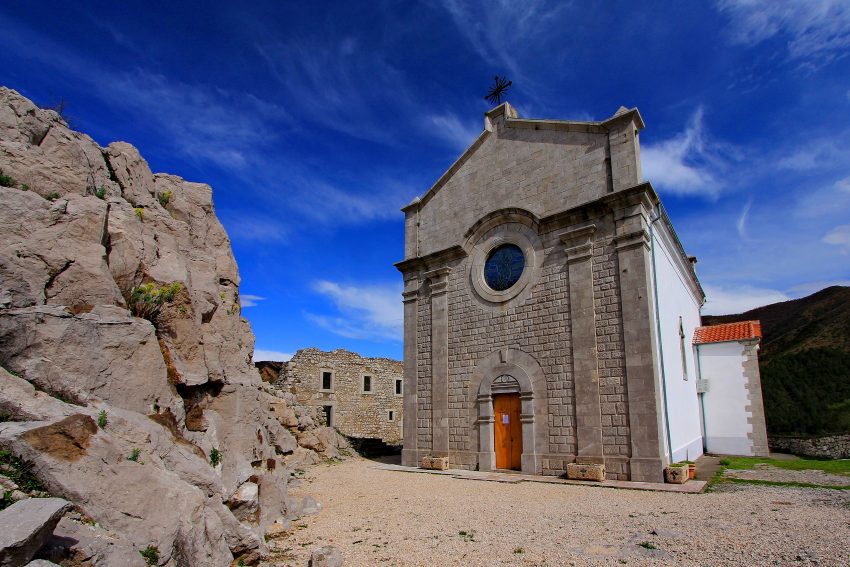
Rubik Monastery Church (Kisha e T'Shëlbuemit), often called simply “Rubik Church,” is the town's headline sight: a pale, dramatic church-and-monastery complex sitting high above Rubik on a steep cliff, with the Fan River curling below. It's the kind of landmark you notice before you even arrive-especially if you're driving the E851/SH30 corridor between Lezhë and Kukës-and it quickly becomes one of the must-see places in Rubik for travelers who like history with a view.
What makes this stop special is the contrast between scale and setting: Rubik is small and relaxed, but the church feels monumental because of where it stands and how it frames the valley. Even if you only have time for a short detour, it fits neatly into a walking tour of Rubik-town streets and river air below, then a short climb for sweeping panoramas and a close look at medieval stonework above.
Table of Contents
- History and Significance of the Rubik Monastery Church
- Things to See and Do in the Rubik Monastery Church
- How to Get to the Rubik Monastery Church
- Practical Tips on Visiting the Rubik Monastery Church
- Where to Stay Close to the Rubik Monastery Church
- Is the Rubik Monastery Church Worth Visiting?
- For Different Travelers
- FAQs for Visiting Rubik Monastery Church
- Nearby Attractions to the Rubik Monastery Church
History and Significance of the Rubik Monastery Church
The roots of Rubik Monastery Church reach back to the medieval period, with sources commonly dating the foundation to 1166, when the site functioned within a monastic tradition that shaped northern Albania's religious landscape. The complex is widely associated with a Benedictine origin and later Franciscan stewardship, reflecting how orders and communities shifted over centuries while the site remained a spiritual anchor for the region.
Inside, the most compelling historical detail is the surviving medieval fabric and art concentrated around the eastern end of the church. The apse area is especially valued for its fresco remnants, often linked to inscriptions dating to 1272, which gives the visit a clear “this is genuinely old” moment rather than a generic heritage stop.
The church has also lived through modern disruption and repair, including damage and later restoration efforts that have kept it in active use and visitable condition. Recent conservation work under the EU4Culture programme is part of the reason the site feels cared for today, even though it still retains that raw, cliff-top atmosphere.
Things to See and Do in the Rubik Monastery Church
Begin with the approach and viewpoint: the best first impression is simply seeing how the church is “pinned” to the cliff above the Fan River bend. Give yourself a few minutes to look back over the town and valley-this is one of those places where the landscape does half the storytelling.
If the church is open when you arrive, step inside to look for the most historically significant surviving sections, particularly toward the eastern end where the medieval elements and fresco traces are concentrated. Even when interior access is limited, the exterior details-masonry, repaired surfaces, and the way the complex sits above its old monastic footprint-are worthwhile.
Finally, linger around the surrounding terrace and paths for photography and a quieter sense of place. The light can be excellent in late afternoon, when the cliff face softens and the river valley takes on warmer tones.
How to Get to the Rubik Monastery Church
The nearest airport is Tirana International Airport Nënë Tereza (TIA). For the best deals and a seamless booking experience, check out these flights to Lezhë on Booking.com. From there, the most straightforward route is by road toward northern Albania, then onward to Rubik before climbing up to the church viewpoint area.
Trains are not a practical option for most travelers in Albania because passenger services are limited and subject to change. If you prefer public transport, the most workable approach is usually to take a bus or furgon toward the Mirditë/Rrëshen area or Lezhë, then continue the last stretch by taxi to Rubik and up to the church.
By car, Rubik is an easy stop on the E851/SH30 route, and the church works well as a scenic break between the coast and the northeast. If you are looking to rent a car in Albania I recommend having a look at Discover Cars, first, as they compare prices and review multiple car rental agencies for you.
Practical Tips on Visiting the Rubik Monastery Church
- Entrance fee: Free.
- Opening hours: 24 Hours
- Best time to visit: Late afternoon is ideal for softer light and valley views; mornings are better if you want a quieter, more contemplative feel.
- How long to spend: Allow 45-90 minutes for the climb/approach, viewpoints, and a calm look around; add extra time if the church is open and you want to move slowly inside.
- Accessibility: Expect uneven ground and a hillside setting; this is not a barrier-free stop, and sturdy shoes make the visit more comfortable.
- Facilities: Facilities are limited at the site itself, so plan to use cafés or shops in Rubik town before or after your visit.
Where to Stay Close to the Rubik Monastery Church
For a culture-heavy itinerary with more dining and evening options, base yourself in Lezhë and treat Rubik as a scenic day trip; for a nature-forward, quiet stay with minimal driving, base in Rubik or the Mirditë valley so you can visit early or late without rushing.
In Rubik itself, Hotel Marub is a strong choice if you like a peaceful setting and a local, countryside feel. If you want something simple and practical right in town for a one-night stopover, Hotel Rubin keeps logistics easy. For another central option that works well for road-trippers, Hotel Xhej is convenient for quick access back to the main route.
Is the Rubik Monastery Church Worth Visiting?
Yes-especially if you enjoy short, high-reward stops where the view, the setting, and the history arrive all at once. It’s a particularly good fit for travelers driving across northern Albania who want a meaningful cultural break without committing to a full day of logistics.
Even if the interior is closed when you pass through, the cliff-top perspective over the Fan River valley and the unmistakably medieval character of the site still make the detour feel worthwhile.
What Other Travellers Say...

Rubik Monastery Church sits above the valley with sweeping views and a cobblestone path leading up to it; visitors note easy parking near the top and a short, manageable walk from the lot. There are interesting old ruins beside the church and a small information stone at a lookout, making it a quick, worthwhile stop if you have extra time. Several visitors found the interior closed during their visits (locals say it's typically open on Sundays), so plan accordingly if you want to go inside.


For Different Travelers
Families with Kids
This can be a memorable stop for kids who like “castles-on-cliffs” scenery, but plan around the hillside terrain and keep a close eye near edges and uneven paths. Treat it as a short, focused visit with a clear goal-viewpoint photos and a quick explore-then reward everyone with a break back in town.
Couples & Romantic Getaways
Rubik Monastery Church is excellent for couples who enjoy quiet viewpoints and places that feel removed from the usual tourist circuit. Aim for golden hour, move slowly, and pair it with a scenic drive segment so the journey feels like part of the experience.
Budget Travelers
It’s a budget-friendly stop because the main costs are transport and snacks, not tickets. If you’re traveling by bus/furgon, plan the last-mile taxi cost in advance so you don’t get caught overpaying when you’re short on options.
History Buffs
Come for the layers: medieval monastic origins, later phases of use and rebuilding, and the surviving fresco tradition anchored around the apse. Even if you’re only here briefly, focusing on the oldest surviving sections and reading the site as a “timeline in stone” makes the visit far more satisfying.
FAQs for Visiting Rubik Monastery Church
Getting There
Tickets & Entry
Visiting Experience
Tours, Context & Itineraries
Photography
Accessibility & Facilities
Food & Breaks Nearby
Safety & Timing
Nearby Attractions to the Rubik Monastery Church
- Kune-Vain Lagoon (near Shëngjin): A coastal nature area with birdlife and an easy change of scenery if you’re heading back toward the sea.
- Rrëshen: The Mirditë region's main town, useful for food stops and a glimpse into everyday life in northern Albania.
- Orosh Abbey (Abbazia e Oroshit): A significant religious site in Mirditë with strong historical resonance and a distinctly mountainous setting.
- Ulez Lake: A scenic reservoir area that’s good for a calm nature break and photographs, especially on clear days.
- Lezhë (Scanderbeg Memorial and old town area): A rewarding cultural stop with history tied to Albania's national story and a walkable centre.
The Rubik Monastery Church appears in our Complete Guide to Visiting Lezhë!

Moira & Andy
Hey! We're Moira & Andy. From hiking the Camino to trips around Europe in Bert our campervan — we've been traveling together since retirement in 2020!
This website uses affiliate links which may earn a commission at no additional cost to you!
Planning Your Visit
24 Hours
Free.
Nearby Attractions
- Lezhë Castle (11.0) km
Castle - Skanderbeg Memorial (11.5) km
Monument - Shëngjin Beach (15.9) km
Beach - Spaç Prison (26.6) km
Historic Building - Sari Salltik Cave (27.7) km
Cave and Religious Building - Skanderbeg Monument (28.3) km
Monument - Kruja Bazaar (28.5) km
Bazaar - Watch Tower (28.7) km
Tower - Skanderbeg Museum (28.7) km
Museum - Kruja Castle (28.7) km
Castle