Ritterscher Palace, Lucerne
Palace in Lucerne
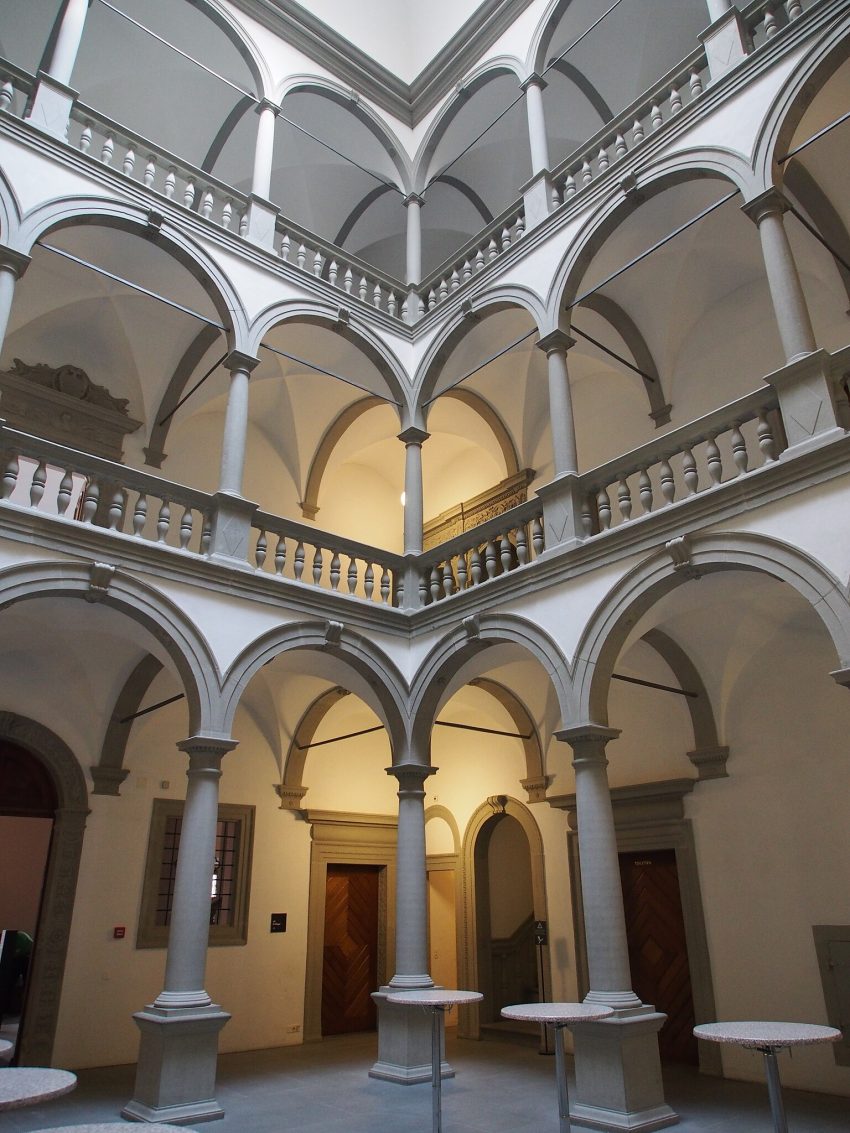
Tucked beside the Jesuit Church on the banks of the Reuss, Ritterscher Palace is one of the top sights in Lucerne for travellers who love Renaissance architecture and stories of power, faith, and intrigue. At first glance it looks like an imposing government building, but step into its courtyard and you'll find a refined Italianate palazzo that once proclaimed the status of its ambitious patron, Lux (Lucius) Ritter. Today it houses the cantonal administration and parliament, yet still welcomes curious visitors into its arcaded courtyard during business hours.
What makes Ritterscher Palace particularly intriguing is how it blends political life with art and reflection on mortality. On the top-floor corridor, tucked away from the bustle outside, you can find Jakob von Will's Dance Macabre: seven artworks comprising 23 scenes that show different layers of society encountering death. Together with the nearby Jesuit Church and the river promenade, this complex is a great place to visit on a walking tour of Lucerne, offering a more contemplative counterpoint to the city's busier squares and bridges.
Table of Contents
- History and Significance of the Ritterscher Palace
- Things to See and Do in the Ritterscher Palace
- How to Get to the Ritterscher Palace
- Practical Tips on Visiting the Ritterscher Palace
- Where to Stay close to the Ritterscher Palace
- Is the Ritterscher Palace Worth Visiting?
- FAQs for Visiting Ritterscher Palace
- Nearby Attractions to the Ritterscher Palace
History and Significance of the Ritterscher Palace
The story of Ritterscher Palace begins with Lux (Lucius) Ritter, a Lucerne native who rose through the ranks as a captain in the French King's regiment in northern Italy. When he returned home and became head of the town and republic of Lucerne, he wanted a residence that matched his elevated status. Rather than simply expanding a traditional townhouse, he commissioned a full-blown Renaissance palazzo in the style of Florence, making a bold architectural statement right at the heart of the city.
To realise this vision, Ritter engaged the Italian architect Giovanni Lynzo, whose design brought classical symmetry, arcaded courtyards, and an elegant sense of proportion to the riverfront site. However, the project soon became entangled in drama: Lynzo was executed on charges of heresy, casting a dark shadow over the building’s early years, and Ritter himself died not long afterwards. With both patron and architect gone, the town council stepped in to complete the palace, ensuring that the ambitious project did not remain a ruin.
By 1557, the Jesuits - newly arrived in Lucerne as part of the Catholic reform movement - took up residence in the completed building. The palace's grand rooms and central location made it a natural base for their educational and religious work, and over time it became more deeply woven into the civic and spiritual life of the city. In later centuries, the building shifted to a governmental role, and today it serves as the hub of the cantonal parliament and administration. This long history of power, faith, and civic decision-making gives Ritterscher Palace a weight that you can feel even during a short visit to its courtyard.
Things to See and Do in the Ritterscher Palace
For most visitors, the first and most accessible highlight is the courtyard, which you can usually enter during business hours when the administration is open. Stepping inside, you’re transported from the traffic of the riverside into a calm, enclosed space framed by arcades, columns, and regular window rhythms that whisper of Italian Renaissance ideals. Take a slow walk around the perimeter, looking up at the façades and imagining how this palazzo once functioned as a private showpiece residence rather than a seat of government.
If access is possible on the day you visit, try to see Jakob von Will's Dance Macabre cycle on the top-floor corridor. These seven works, containing 23 scenes in total, depict different social classes confronting death: nobles, clergy, merchants, and commoners alike are shown in encounters that underline the inevitability of mortality. The paintings echo the Danse Macabre tradition that you may have already seen on Spreuerbrücke, but here they unfold in the reserved, almost austere setting of an administrative corridor, which makes their message feel surprisingly immediate.
Beyond specific works of art, part of the pleasure of visiting Ritterscher Palace lies in noticing its details in context with its neighbours. The building's refined Renaissance lines contrast with the baroque richness of the adjoining Jesuit Church and the lively movement of the river outside. After exploring the courtyard, step back to the riverside promenade and view the palace as part of the larger ensemble: arches, towers, and façades layering together to tell the story of Lucerne's role as both a religious and political centre over several centuries.
How to Get to the Ritterscher Palace
Most international visitors arrive in Lucerne via Zurich Airport (ZRH), which offers the widest range of European and long-haul flights and has excellent rail connections into central Switzerland. For the best deals and a seamless booking experience, check out these flights to Lucerne on Booking.com. From the airport, frequent trains run directly to Lucerne or with a quick change at Zurich HB, with total journey times usually between one and one and a quarter hours.Train schedules and bookings can be found on Omio.
Once you arrive at Lucerne's main railway station, reaching Ritterscher Palace is straightforward on foot. Exit towards the lake and cross the river via one of the nearby bridges, then follow the riverside promenade or signposted streets towards the Jesuit Church; the palace stands directly beside it, facing the water.Train schedules and bookings can be found on Omio. The walk takes around 10 minutes, and along the way you'll pass some of Lucerne's classic views, including the KKL concert hall and the Kapellbrücke.
Local buses also stop near the Jesuit Church and along the riverfront, providing an alternative if you're short on time or travelling with mobility issues. If you're driving, Lucerne is reached via the A2 and A14 motorways, with several multi-storey car parks near the station and the edge of the Old Town. From there, it's an easy walk through the compact historic centre to the palace, and you avoid the hassle of navigating narrow, often restricted streets by car.
Practical Tips on Visiting the Ritterscher Palace
- Suggested tips: Aim to visit during weekday business hours, when the courtyard is most likely to be open, and combine your stop here with the Jesuit Church and a stroll along the riverfront.
- Best time to visit: Late morning or early afternoon on a weekday offers a good chance of access without the area feeling too busy, and the light in the courtyard can be especially pleasant.
- Entrance fee: Free — public access to the courtyard and any visitor areas is generally without charge, though some spaces are restricted.
- Opening hours: Access typically aligns with cantonal administration business hours on weekdays; the courtyard and interiors are generally closed in the evenings and at weekends.
- Official website: https://www.luzern.com
- How long to spend: Plan for around 20-30 minutes to explore the courtyard and, if possible, glimpse the Dance Macabre corridor; architectural and history enthusiasts may want longer.
- Accessibility: The immediate surroundings are mostly level and paved, but there may be steps or uneven surfaces within the courtyard and interior corridors; check on-site information if you have specific mobility needs.
- Facilities: As an active government building, Ritterscher Palace does not function like a conventional museum; public facilities are limited, but cafés, restaurants, and services are available just a short walk away in the Old Town and along the river.
- Photography tip: Be discreet and respectful; focus on architectural details in the courtyard and the contrast between the palace and the Jesuit Church, and avoid photographing people working in the building.
- Guided tours: Access to the interior, including the Dance Macabre by Jakob von Will, may sometimes be possible through special tours or open days advertised locally; check with the tourist office or city website for current opportunities.
- Nearby food options: The surrounding streets and riverfront are lined with cafés and restaurants, so it’s easy to follow your visit with a coffee or meal while enjoying views of the Reuss and the Old Town.
Where to Stay close to the Ritterscher Palace
If you want to be just a short stroll from Ritterscher Palace and the Jesuit Church, Hotel des Balances is an excellent choice. Set in a historic building overlooking the Reuss, it places you right in the Old Town, so you can wander along the riverfront and reach the palace in just a few minutes, while also having easy access to bridges, squares, and shops.
Another appealing option nearby is Hotel Wilden Mann, a characterful hotel made up of several old townhouses with a warm, traditional feel. From here, it's an easy walk through atmospheric streets to the Jesuit Church and Ritterscher Palace, and you're also well positioned for exploring both sides of the river.
For travellers who prefer to stay closer to the station while still being within walking distance of the palace, Hotel Monopol Luzern offers classic city-hotel comfort directly opposite the main railway station. From the hotel, you can cross the river via one of the nearby bridges and be at Ritterscher Palace in around 10 minutes, making it a convenient base if you're using trains or boats to explore the wider region.
Is the Ritterscher Palace Worth Visiting?
Ritterscher Palace is definitely worth visiting if you're interested in how architecture, politics, and religion intersect in Lucerne's story. While it doesn't operate as a traditional museum, the chance to step into a genuine Renaissance palazzo that still serves as a seat of government is special, and the contrast between its Italianate courtyard and the neighbouring Jesuit Church makes this stretch of riverbank particularly rich in atmosphere. If you can also glimpse Jakob von Will's Dance Macabre, the visit becomes even more memorable, adding a thoughtful meditation on mortality to the palace's tale of ambition and power.
What Other Travellers Say...

Government Buildings of Canton Lucerne at Bahnhofstrasse 15 sits on the Reuss in Lucerne's old town near the Jesuit Church and is noted for its elegant neoclassical, Florentine-influenced façade with columns; visitors say the exterior and setting are beautiful, the interiors are generally closed but worth pausing to admire, and staff have been described as helpful and multilingual.


FAQs for Visiting Ritterscher Palace
Nearby Attractions to the Ritterscher Palace
- Jesuit Church - The neighbouring Baroque church with an elegant riverside façade and richly decorated interior, forming a striking ensemble with the palace.
- Kapellbrücke (Chapel Bridge) - Lucerne's iconic covered wooden bridge with its water tower and painted panels, just a short walk along the river.
- Spreuerbrücke - Another historic covered bridge decorated with Danse Macabre paintings, offering an atmospheric comparison to the palace's own Dance Macabre cycle.
- Weinmarkt - A charming Old Town square with the Fritschi Fountain and guild history, only a few minutes' walk uphill from the river.
- KKL Luzern and Lake Promenade - The modern culture and convention centre and lakeside walkway near the station, ideal for combining historic sightseeing with contemporary architecture and waterfront views.
The Ritterscher Palace appears in our Complete Guide to Visiting Lucerne!

Moira & Andy
Hey! We're Moira & Andy. From hiking the Camino to trips around Europe in Bert our campervan — we've been traveling together since retirement in 2020!
This website uses affiliate links which may earn a commission at no additional cost to you!
Planning Your Visit
Access typically aligns with cantonal administration business hours on weekdays; the courtyard and interiors are generally closed in the evenings and at weekends.
Free - public access to the courtyard and any visitor areas is generally without charge, though some spaces are restricted.
Nearby Attractions
- Jesuitenkirche (0.1) km
Church - Weinmarkt (0.2) km
Square - Lucerne Town Hall (0.2) km
Town Hall - Kornmarkt (0.2) km
Square - History Museum (0.2) km
Museum - Hirschenplatz (0.2) km
Square - Museum Rosengart Collection (0.3) km
Arts Venue - Spreuerbrücke (0.3) km
Bridge - Chapel Bridge and Water Tower (0.3) km
Bridge - Natur-Museum (0.3) km
Museum