Richard Wagner Museum, Lucerne
Historic Building and Museum in Lucerne

On a quiet stretch of lakeshore at Tribschen, just outside Lucerne's busy centre, the Richard Wagner Museum feels like stepping into a paused moment of 19th-century musical life. Between 1866 and 1872, Wagner lived here with his second wife Cosima and their children, working on compositions and enjoying the calm of Lake Lucerne framed by the surrounding peaks. Today, the villa is surrounded by lawns and trees and still feels more like a private retreat than a formal institution, which is exactly what makes it so appealing.
Inside, the ground floor rooms have been turned into exhibition spaces that tell the story of Wagner’s years at Tribschen: personal objects, scores, letters and images sketch a portrait of the composer as a family man as well as an artist. Outside, the park-like setting runs right down to the water’s edge, and the Sommercafé on the forecourt serves drinks and simple food with views of the lake and mountains. It is a gentle, atmospheric place that invites you to slow down, and a highlight of any tour of Lucerne’s lakeside if you enjoy combining culture and scenery.
Table of Contents
- History and Significance of Richard Wagner Museum
- Things to See and Do in Richard Wagner Museum
- How to Get to Richard Wagner Museum
- Practical Tips on Visiting Richard Wagner Museum
- Where to Stay close to Richard Wagner Museum
- Is Richard Wagner Museum Worth Visiting?
- FAQs for Visiting Richard Wagner Museum
- Nearby Attractions to Richard Wagner Museum
History and Significance of Richard Wagner Museum
The story of the Richard Wagner Museum begins with the composer's search for a peaceful base in the 1860s. After years of wandering and controversy, Wagner settled at Tribschen in 1866, renting the large villa on the shore of Lake Lucerne. Here he lived with Cosima, the daughter of Franz Liszt, and their children until 1872. During those six years he worked on major compositions, corresponded with patrons and friends, and hosted a stream of visitors, while the setting of lake and mountains became closely associated with this calmer phase of his life.
When the villa later became a museum, the focus was always on preserving that sense of personal environment rather than creating a grand monument. The ground floor rooms, where everyday life and work once unfolded, were turned into exhibition spaces that keep Wagner’s presence tangible through manuscripts, portraits, furniture and memorabilia from his years at Tribschen. You get an impression not just of the artist, but of the household around him: Cosima, the children, servants and guests all play a part in the story.
Today, the Richard Wagner Museum stands as both a cultural landmark and a quiet corner of Lucerne's lakeside. It offers insight into a formative period in the composer's life, but it also reflects the broader 19th-century tradition of artists' houses that later turned into museums. Set between park and water, with the city's bustle kept at arm's length, it is one of the best places to visit in Lucerne if you like experiences that feel intimate rather than overwhelming.
Things to See and Do in Richard Wagner Museum
The core of any visit is the ground floor of the villa, where you step through a series of rooms dedicated to Wagner’s life and work at Tribschen. Exhibits weave together personal items, letters, portraits and facsimiles of music manuscripts into a narrative that feels more like walking through a home than a conventional gallery. You can trace the timeline of his years here, see how he arranged his living and working spaces, and get a sense of how the family balanced domestic life with the demands of a notoriously intense creative career.
Interpretive texts and audio elements help bring individual objects to life, highlighting friendships, premieres and the wider musical world of the time. You may find yourself lingering in front of a particular manuscript or photograph, imagining how the sounds created here would later echo in opera houses across Europe. The relatively small scale of the museum makes it easy to absorb without fatigue; in less than an hour, you can cover the main rooms, then circle back to details that caught your eye.
Outside, the setting is as much part of the experience as the displays. The villa sits in a park-like garden that invites strolling, sitting on benches to watch boats on the lake, or simply enjoying the silence under mature trees. The Sommercafé on the forecourt is the perfect place to end your visit, with coffee, cake or a light snack and uninterrupted views of water and mountains. On a fine day, it is easy to linger here, letting the combination of music history and lakeside calm settle in.
How to Get to Richard Wagner Museum
From abroad, the most convenient gateway is Zurich Airport, which offers extensive international connections and lies about an hour from Lucerne by direct train or motorway. For the best deals and a seamless booking experience, check out these flights to Lucerne on Booking.com. Basel and Bern airports can also work if you are combining Lucerne with other Swiss regions on a longer itinerary. For the best deals and a seamless booking experience, check out these flights to Lucerne on Booking.com.
Once you reach Lucerne's main railway station, the Richard Wagner Museum is a short trip away along the lakeshore. Train schedules and bookings can be found on Omio. You can walk in around 30-40 minutes following the lakeside promenade towards Tribschen, or take a local bus that stops near the museum and then stroll a few minutes through the park-like surroundings. Boat services on Lake Lucerne may also bring you close, offering a particularly scenic approach on a clear day.
If you are travelling by car, follow signs towards Lucerne and then to Tribschen; parking is usually available in the area around the museum, though spaces can be limited at busy times. Driving gives you flexibility to combine the visit with other lakeside stops before or after your time at the villa.
Practical Tips on Visiting Richard Wagner Museum
- Suggested tips: Combine your visit with a lakeside walk or short boat trip to make the most of the villa’s beautiful setting as well as the exhibitions.
- Best time to visit: Late morning or mid-afternoon works well; sunny days highlight the garden and lake views, while quieter, overcast days make the interior feel even more intimate.
- Entrance fee: Adults: 12.00 CHF
- Opening hours: The museum is open from Tue - Sun, 11am-5pm.
- How long to spend: Plan around 60-90 minutes to explore the villa, exhibitions and garden, plus extra time if you want to linger at the Sommercafé.
- Accessibility: The historic building may include steps and uneven floors, so access can be partially limited for visitors with reduced mobility; contact the museum in advance if you have specific needs.
- Facilities: On site you will find the Sommercafé with drinks and light food, toilets, and some seating in the garden; the museum itself is compact but well signed.
- Photography tip: Outside, frame the villa with the lake and mountains behind; inside, focus on details like manuscripts, instruments and room views rather than using flash, to preserve the atmosphere.
- Guided tours: Look out for guided tours or special events, which can provide deeper insight into Wagner’s life at Tribschen and the wider musical context of his work.
- Nearby food options: Besides the Sommercafé, lakeside hotels and restaurants between Tribschen and central Lucerne offer plenty of choices for a meal before or after your visit.
Where to Stay close to Richard Wagner Museum
If you want to stay within easy reach of the museum and enjoy classic lakeside views, Grand Hotel National Luzern offers elegant rooms, a promenade right outside and quick access by foot, bus or boat towards Tribschen. For a more relaxed resort feel slightly further along the shore, Seehotel Hermitage gives you big lake vistas and a peaceful setting that pairs beautifully with a quiet cultural visit to the Wagner villa. If you prefer to base yourself closer to the historic centre, Hotel Cascada Boutique Hotel near the station combines modern comfort with easy connections along the lakeshore to the museum.
Is Richard Wagner Museum Worth Visiting?
The Richard Wagner Museum is definitely worth visiting if you enjoy music, history or simply atmospheric places with a strong sense of personality. Rather than presenting a huge, overwhelming collection, it focuses on a specific period of the composer's life in a villa that still feels like a home, set against the backdrop of lake and mountains that he loved. Combined with the chance to sit in the garden or at the Sommercafé and let the scene sink in, it offers a gentle, memorable contrast to Lucerne's busier attractions and earns its place among one of the things to do in Lucerne for culturally minded travellers.
What Other Travellers Say...

Richard Wagner Museum Lucerne sits in a historic country house that once belonged to the composer and now displays well-curated exhibits and many original items that explore his works, experiences and thoughts; visitors praise the informative, organized layout, an easy-to-use audio guide, occasional live performances, peaceful park setting with lovely lake views, a kiosk where you can enjoy a coffee and a short pleasant walk around the grounds, and note it's reachable by bus from Luzern train station though slightly uphill from the stop.


FAQs for Visiting Richard Wagner Museum
Nearby Attractions to Richard Wagner Museum
- Lake Lucerne promenade - Scenic paths along the lakeshore, ideal for walking to or from the museum with constant views of boats and mountains.
- Swiss Museum of Transport - A large, interactive museum further along the lakefront, combining transport exhibits with a planetarium and chocolate experience.
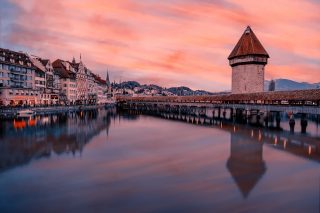
- Chapel Bridge and Water Tower - Lucerne's iconic covered bridge and medieval tower spanning the Reuss, easily reached back in the city centre.
- Hofkirche St. Leodegar - The twin-towered lakeside church with Renaissance interiors and fine views over Lucerne and the lake.
- Old Town Lucerne - A compact area of frescoed façades, historic squares and riverside cafés, perfect to explore before or after your lakeside museum visit.
The Richard Wagner Museum appears in our Complete Guide to Visiting Lucerne!

Moira & Andy
Hey! We're Moira & Andy. From hiking the Camino to trips around Europe in Bert our campervan — we've been traveling together since retirement in 2020!
This website uses affiliate links which may earn a commission at no additional cost to you!
Planning Your Visit
The museum is open from Tue – Sun, 11am-5pm.
Adults: 12.00 CHF
Nearby Attractions
- Swiss Museum of Transport (1.3) km
Museum - Kunstmuseum Luzern (1.6) km
Arts Venue - Torbogen Luzern (1.7) km
Railway - Museum Rosengart Collection (1.8) km
Arts Venue - Hofkirche St. Leodegar (1.9) km
Church - Chapel Bridge and Water Tower (1.9) km
Bridge - Peter's Chapel (2.0) km
Church - Fritschi Fountain (2.0) km
Fountain - Jesuitenkirche (2.0) km
Church - Lucerne Town Hall (2.0) km
Town Hall