Raclawice Panorama, Wrocław
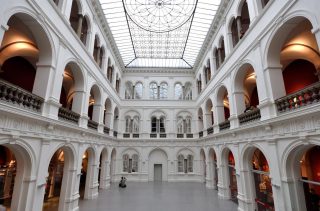
Gallery in Wrocław
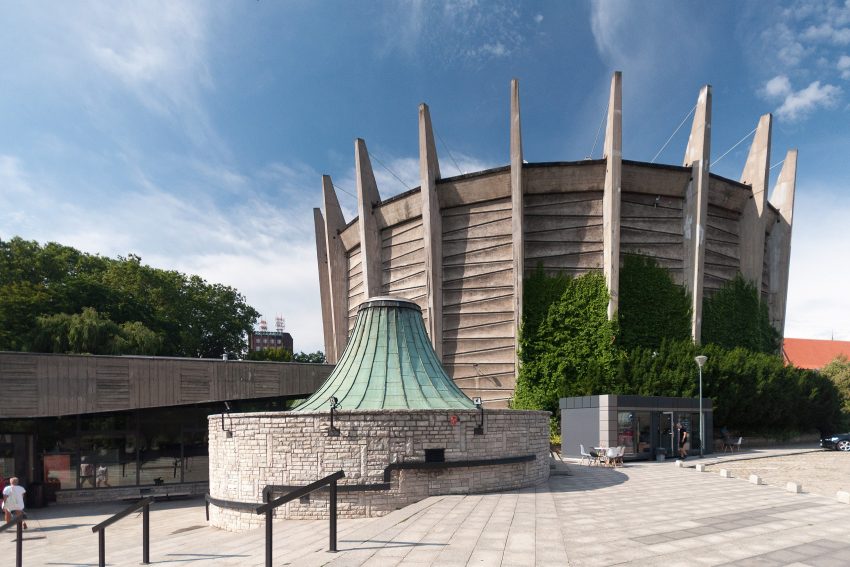
Panorama Racławicka is one of Wrocław's defining cultural experiences: a vast, circular painting displayed inside a purpose-built rotunda that makes you feel as if you've stepped directly into history. The artwork (15 metres high and 114 metres long) wraps around you in a full 360°, and the viewing platform plus carefully staged foreground details create that uncanny moment where your brain briefly accepts the illusion.
It's also one of the top attractions in Wrocław because it's immersive without being “techy” in a gimmicky way: the spectacle is still rooted in paint, perspective, and theatre-like lighting. It slots neatly into a walking tour of Wrocław, especially if you like mixing headline sights with something genuinely unique, but it's the kind of stop that rewards a little planning because visits run on timed sessions.
Table of Contents
- History and Significance of the Panorama Racławicka
- Things to See and Do in the Panorama Racławicka
- How to Get to the Panorama Racławicka
- Practical Tips on Visiting the Panorama Racławicka
- Where to Stay Close to the Panorama Racławicka
- Is the Panorama Racławicka Worth Visiting?
- For Different Travelers
- FAQs for Visiting Panorama Racławicka
- Nearby Attractions to the Panorama Racławicka
History and Significance of the Panorama Racławicka
Created in the late 19th century and associated with artists including Jan Styka and Wojciech Kossak, the panorama commemorates the 1794 Battle of Racławice during the Kościuszko Uprising. The subject matters because it’s not simply a battle scene; it’s a carefully constructed national story, designed to be read as you move around the circle and notice different vignettes unfolding across the field.
What gives it extra weight is its survival story. Large-scale cycloramas were once popular across Europe, but few were preserved, and even fewer are displayed with the kind of staging that makes the illusion work. In Wrocław, the rotunda presentation turns the painting into an experience rather than a canvas on a wall, which is why it still feels surprisingly modern for 19th-century work.
Practically, it's also a strong “value” cultural ticket because your entry to the panorama includes free admission to permanent exhibitions at several National Museum in Wrocław branches within a set period after your visit. If you're building a museum-heavy itinerary, that can meaningfully shape how you plan your days.
Things to See and Do in the Panorama Racławicka
The core experience is the 30-minute viewing session, which is short by design: you enter through a deliberately controlled approach, arrive on the central platform, and then have just enough time to make a full circuit at your own pace before the next group is due. The “magic” is in the blend of painted action and physical foreground elements that soften the boundary between real space and depicted terrain.
To get more from it, don’t rush into photographing the first dramatic section you see. Instead, do one full slow loop to understand the narrative flow, then do a second, quicker pass to focus on details: clusters of figures, shifts in light, and the way the scene changes as your viewing angle changes. You’ll notice the panorama is composed to reward movement, not just standing still.
Audio commentary is part of the experience, and it’s worth using even if you consider yourself “not a museum audio person.” The battle context matters, but so does the explanation of how the illusion is built, because once you understand the technique, you start spotting deliberate tricks of perspective that make the scene feel deeper than it is.
How to Get to the Panorama Racławicka
For most international visitors, the closest airport is Wrocław Airport (WRO), with Warsaw Chopin Airport (WAW) often offering the widest range of onward connections into Poland. For the best deals and a seamless booking experience, check out these flights to Wrocław on Booking.com.
If you're arriving by train, Wrocław Główny (the main station) is well connected domestically and internationally, and from there it's a straightforward tram or taxi ride to the city-centre museum area near the rotunda. You can easily check schedules and book tickets through the PKP Intercity website. However, for a smoother experience, we recommend using Omio, which simplifies the booking process and lets you compare prices and schedules all in one place.
Within Wrocław, trams and buses make this an easy stop from the Old Town, and walking also works well if you're already exploring the riverside and museum district.
If you’re driving, it’s usually simplest to aim for central parking and treat the last stretch as a short walk, rather than trying to arrive directly at the door in peak hours. If you are looking to rent a car in Poland I recommend having a look at Discover Cars, first, as they compare prices and review multiple car rental agencies for you.
Practical Tips on Visiting the Panorama Racławicka
- Entrance fee: 50 zł. Discount: 35 zł. Family: 35 zł/person. Children up to 7: Free.
- Opening hours: (Summer) 1 April – 31 October; Daily: 08:30–19:00. (Winter) 1 November – 31 March; Tuesday – Friday: 09:30–16:00. Saturday: 09:30–17:00. Sunday: 09:30–16:00. Closed on Monday.
- Official website: https://mnwr.pl/en/branches/panorama-of-the-battle-of-raclawice/information/
- Best time to visit: Book an earlier slot for the calmest experience and to keep the rest of your day flexible; late afternoon can be atmospheric but often feels tighter for time if you’re squeezing it between other plans.
- How long to spend: The viewing itself is time-boxed, but allow 60-90 minutes overall for arrival, ticket checks, orientation, and a relaxed pace before and after the session.
- Accessibility: The rotunda format is generally manageable, but it’s still a controlled, timed flow; if you prefer a quieter pace, choose a less busy day and arrive early so you’re not rushed.
- Facilities: Plan for this as a focused exhibit rather than a long on-site hangout; it pairs best with nearby museums or cafés in the centre for a proper break afterward.
Where to Stay Close to the Panorama Racławicka
For a culture-heavy itinerary, base yourself in or near the Old Town (Rynek and the central riverside area) so you can walk between major sights; if your trip prioritises easy day trips and late arrivals, staying nearer Wrocław Główny keeps logistics simple.
If you want maximum convenience for this specific attraction, Radisson Blu Hotel, Wroclaw is particularly well placed for quick access to the rotunda and the wider museum district. For a modern, design-forward base that still keeps you close to the centre, PURO Wrocław Stare Miasto works well for walking-focused days and easy evenings out. If you prefer classic grand-hotel atmosphere right in the historic core, Hotel Monopol Wrocław is ideal when you want the city at your doorstep.
Is the Panorama Racławicka Worth Visiting?
Yes, and it's worth prioritising because it's not something you can “replicate” elsewhere in Wrocław with another museum or viewpoint. The panorama is a singular format: part art, part stagecraft, part history lesson, and it delivers a genuine wow factor even if you're not usually drawn to military history.
The only real caveat is timing. Because entry is structured around fixed sessions, it’s best for travellers who are happy to plan one specific time of day, then build the rest of their sightseeing around it.
What Other Travellers Say...

Racławice Panorama on Jana Ewangelisty Purkyniego 11 houses a rotunda with a 360-degree panoramic painting depicting the 1794 battle, complemented by maps, videos and a narrated 30-minute presentation; visitors note the detailed, immersive artwork enhanced with scenery, props and lighting, and that foreign-language electronic guides or translator devices are available on request, while one reviewer mentions the ticket includes access to other nearby museums and suggests seating would help those who need to rest.


For Different Travelers
Families with Kids
For families, the big win is the immediate visual impact: kids usually “get it” fast because it feels like stepping into a scene rather than looking at a flat painting. Keep expectations simple by framing it as a 30-minute immersive show, then reward the focus with something active afterward, like a riverside walk or dwarf-spotting in the Old Town.
If your children are younger, aim for an earlier slot when everyone’s patience is higher and you’re less likely to feel hurried. The best approach is to enjoy the spectacle first, then answer questions after you’ve finished the circuit.
Couples & Romantic Getaways
For couples, it's a surprisingly good shared experience because it's dramatic, distinctive, and compact enough to feel like a “moment” rather than a multi-hour commitment. Pair it with a slow wander through the museum district and Old Town afterwards and it becomes a well-balanced day that mixes culture with atmosphere.
If you like photography and storytelling together, treat it as a two-part date: panorama first for the immersive hit, then coffee or a relaxed lunch for the conversation and context afterwards.
Budget Travelers
Budget travellers should like the cost-to-impact ratio, especially because the ticket can unlock additional permanent exhibitions across National Museum branches within a set period, which can reduce your overall spend if you plan your museum visits smartly. The best budget strategy is to cluster those included museums into your next couple of days so you feel the value immediately.
Also, because the session is time-limited, you can plan the rest of your day around free activities: walking routes, the Market Square, Cathedral Island, and riverside promenades.
History Buffs
If you’re a history buff, the key is to treat the panorama as both a depiction of a battle and a 19th-century statement about identity and memory. The scene is curated to communicate heroism and momentum, and noticing what’s emphasised (and how) is as interesting as the event itself.
To deepen the visit, connect it to Wrocław’s museum network afterwards. Seeing how Polish history is presented across different institutions helps you place Racławice within a broader narrative rather than as a standalone “epic moment.”
FAQs for Visiting Panorama Racławicka
Getting There
Tickets & Entry
Visiting Experience
Tours, Context & Itineraries
Photography
Accessibility & Facilities
Food & Breaks Nearby
Safety & Timing
Nearby Attractions to the Panorama Racławicka
- National Museum in Wrocław: A strong next stop if you want to extend the day with art and Polish history in a classic museum setting.
- Ostrów Tumski (Cathedral Island): Wrocław's oldest quarter, best experienced as an unhurried walk among churches, bridges, and riverside viewpoints.
- Rynek (Main Market Square): The city's social heart, perfect for architecture spotting, cafés, and an easy sense of place.
- Centennial Hall: A UNESCO-listed modernist landmark that's ideal if you want to balance Old Town charm with 20th-century design.
- Japanese Garden: A calm, scenic reset that pairs beautifully with a museum-heavy day, especially in spring and early autumn.
The Raclawice Panorama appears in our Complete Guide to Visiting Wrocław!

Moira & Andy
Hey! We're Moira & Andy. From hiking the Camino to trips around Europe in Bert our campervan — we've been traveling together since retirement in 2020!
This website uses affiliate links which may earn a commission at no additional cost to you!
Planning Your Visit
(Summer) 1 April - 31 October; Daily: 08:30-19:00.
(Winter) 1 November - 31 March; Tuesday - Friday: 09:30-16:00. Saturday: 09:30-17:00. Sunday: 09:30-16:00.
Closed on Monday.
50 zł. Discount: 35 zł. Family: 35 zł/person. Children up to 7: Free.
Nearby Attractions
- National Museum of Wrocław (0.2) km
Museum - Wroclaw Market Hall (0.4) km
Market - Wroclaw Cathedral (0.4) km
Cathedral - Cathedral Island (0.5) km
Area and Island - Tumski Bridge (0.5) km
Bridge - Cathedral of St. Mary Magdalene (0.7) km
Church - Museum of Natural History, Wrocław University (0.7) km
Museum - Wroclaw University Museum (0.8) km
Historic Building - The Pillory (0.9) km
Monument - Wroclaw’s Old Town (0.9) km
Area