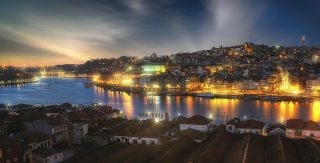
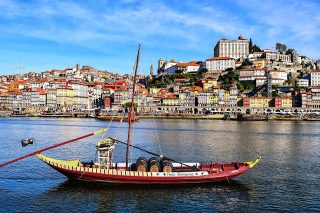
Porto Cathedral
Cathedral in Porto
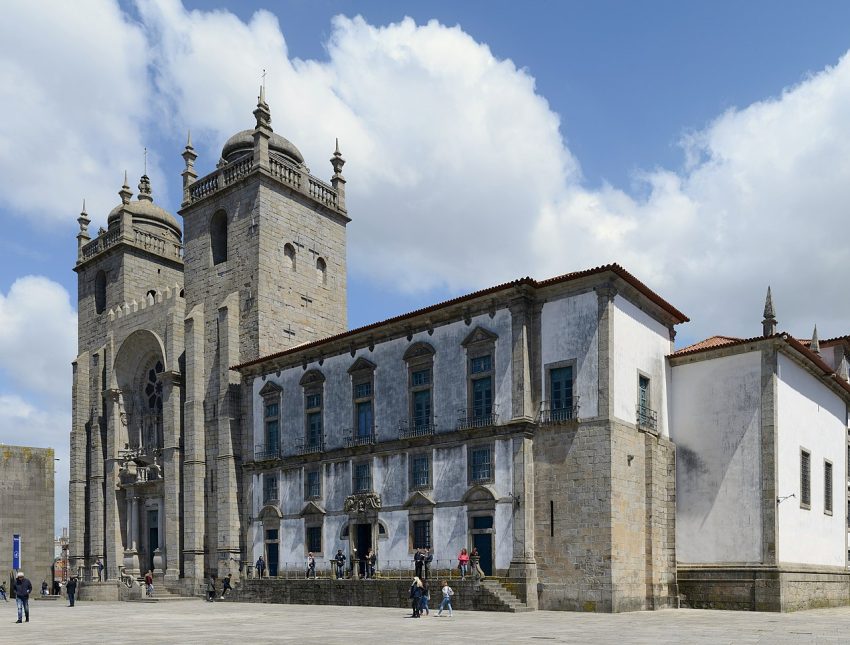
Perched on the highest point of Porto's old town, Porto Cathedral (Sé do Porto) rises above a maze of narrow streets like a stone guardian watching over the Douro. Its battlemented exterior and twin towers give it the look of a fortress rather than a typical church, a reminder that this was once part of the city's defensive line beside the medieval walls of the Batalha district. Step into the wide cathedral square and you immediately sense why this is one of the must-see places in Porto, with sweeping views across the orange rooftops and the river below.
Inside, the cathedral reveals a fascinating mix of styles that tells the story of Porto across the centuries. The Romanesque nave feels stark and almost austere, with high barrel vaults and minimal decoration, while the side chapels and high altar shimmer with Baroque detail. Through a doorway to the right, the 14th-century Gothic cloister unfolds in graceful arches covered in blue-and-white azulejo panels depicting biblical scenes, leading on to the Casa do Cabido and the Cathedral Treasure collection of gold, silver, and religious artefacts. It is often visited on walking tours of Porto, but it is worth slowing down and exploring at your own pace, taking time in the cloister and on the terrace to soak up the atmosphere and the views.
Table of Contents
- History and Significance of the Porto Cathedral
- Things to See and Do in the Porto Cathedral
- How to Get to the Porto Cathedral
- Practical Tips on Visiting the Porto Cathedral
- Where to Stay close to the Porto Cathedral
- Is the Porto Cathedral Worth Visiting?
- FAQs for Visiting Porto Cathedral
- Nearby Attractions to the Porto Cathedral
History and Significance of the Porto Cathedral
Construction of Porto Cathedral began in the 12th century, when the city was emerging as a strategic stronghold for the newly forming Portuguese kingdom. Its original Romanesque structure reflected the need for both worship and defence: thick granite walls, narrow windows, and a crenellated silhouette that could withstand attacks as well as storms rolling in from the Atlantic. Over time, as Porto expanded and the immediate threat of invasion faded, the cathedral's role shifted from fortress-church to a showcase of the city's prestige and piety.
Centuries of alterations have left Porto Cathedral with a layered architectural identity. While the façade and nave retain their Romanesque bones, later renovations introduced Gothic and Baroque elements. The cloister and one of the chapels are classic Gothic, with ribbed vaults and pointed arches, while many interior details - from ornate altars and gilded woodwork to the elegant loggia on the north side - are unmistakably Baroque. This blend of styles is not a flaw but part of the cathedral's charm, revealing how each era left its own artistic stamp while preserving the building's core structure.
Beyond its architecture, Porto Cathedral is one of the city's most important religious and historical landmarks. Royal weddings and major religious ceremonies have taken place here, reinforcing its status at the heart of civic life. Today it is recognized as a National Monument and anchors the UNESCO-listed historic centre, drawing pilgrims, locals, and visitors alike. Standing in the main square, with the cathedral at your back and the Douro in front of you, it is easy to feel how the city's story is woven into these stones.
Things to See and Do in the Porto Cathedral
Begin your visit in Terreiro da Sé, the broad square in front of the cathedral, which serves as a natural viewpoint over the city and the river. Take a slow lap of the exterior to appreciate its fortress-like profile, the rose window above the main portal, and the contrast between the bare granite walls and the decorative touches of later centuries. This is also a great spot to orient yourself in Porto, spotting landmarks like the Dom Luís I Bridge, the Ribeira waterfront, and the Clérigos Tower.
Inside the cathedral, give yourself time to adjust to the darker, more contemplative atmosphere of the nave. The space feels narrow and tall, with simple stone walls, side aisles, and chapels that invite quiet exploration. Look for Baroque altarpieces, silverwork, and religious art that enliven the otherwise restrained interior, and notice how the Romanesque arches frame your view toward the main altar. Even if you are not particularly religious, the combination of history, art, and scale is deeply impressive.
Do not miss the Gothic cloister, accessed through a door on the right-hand side of the nave. This is one of the top sights in Porto: a tranquil, almost monastic courtyard lined with slender columns and vaulted ceilings, its walls covered in azulejo tile panels showing scenes from the Bible and the Song of Songs. From the cloister you can visit the Casa do Cabido and the Cathedral Treasure, where reliquaries, vestments, and other precious objects are displayed. Finish your visit by stepping out onto the terrace above the city, where the views alone justify the climb to the cathedral.
How to Get to the Porto Cathedral
Most international visitors arrive via Francisco Sá Carneiro Airport, located to the northwest of the city, with regular flights from major European hubs and some long-haul connections. For the best deals and a seamless booking experience, check out these flights to Porto on Booking.com. From the airport, the easiest options to reach the centre are the metro (line E to Trindade or Bolhão), airport buses, or a taxi/ride-hailing service, after which you can either walk uphill to the cathedral or transfer to a local bus.
If you are travelling within Portugal, coming by train is straightforward and atmospheric.Train schedules and bookings can be found on Omio. Long-distance trains usually arrive at Campanhã station, where you can switch to a local service that runs into São Bento, the beautiful tiled station in the historic centre. From São Bento it is a short but steep walk up through the old streets to Terreiro da Sé; allow time for the climb and enjoy the views as the cathedral comes into sight above you.
Long-distance buses and regional coaches serve Porto from many other Portuguese cities and towns, stopping at designated bus terminals or on main avenues. From there, you can connect by metro, bus, or taxi to the cathedral area. If you prefer to drive, Porto is well linked by highways from Lisbon, Braga, and the Douro Valley, but parking near the cathedral is limited and many central streets are in low-emission or restricted-traffic zones, so it is usually best to leave your car in a public car park and continue on foot or by public transport.If you are looking to rent a car in Portugal I recommend having a look at Discover Cars, first, as they compare prices and review multiple car rental agencies for you.
Practical Tips on Visiting the Porto Cathedral
- Suggested tips: Wear comfortable footwear for cobbled, hilly streets and bring a light layer, as the stone interior and cloister can feel cool even on warm days.
- Best time to visit: Early morning or late afternoon offer softer light over the city and fewer tour groups, making the cloister and terrace especially atmospheric.
- Entrance fee: Cathedral: Free entrance. Cloisters €3
- Opening hours: Summer: 9:00- 18:30; Winter: 9:00- 17:30
- Official website: https://www.diocese-porto.pt/pt/catedral-do-porto/
- How long to spend: Allow at least 60-90 minutes to visit the nave, cloister, terrace, and treasury without rushing; lovers of architecture or photography may want longer.
- Accessibility: The approach and interior involve slopes, steps, and uneven stone floors; some areas may be challenging for visitors with reduced mobility, though partial access is possible.
- Facilities: Basic facilities include restrooms and a small shop; cafés and additional services are available in the streets around Terreiro da Sé.
- Photography tip: For the best photos, shoot the exterior in early or late light and use the cloister’s arches to frame azulejo details and glimpses of the sky.
- Guided tours: Consider joining a guided city or cathedral tour for deeper context on the site's history and art, or using an audio guide if available.
- Nearby food options: The lanes leading down toward Ribeira and across to São Bento are packed with cafés, pastry shops, and wine bars, perfect for a coffee or a glass of port after your visit.
Where to Stay close to the Porto Cathedral
Staying near Porto Cathedral puts you right in the middle of the city's historic core, with the Douro, Ribeira, and many key sights within walking distance. For a comfortable, central base, consider Pestana Vintage Porto Hotel, set on the riverfront yet still an easy stroll or short taxi ride uphill to the cathedral. If you prefer a more boutique feel in the old town, Porto A.S. 1829 Hotel offers stylish rooms in a refurbished historic building, ideal for exploring both Sé and the surrounding streets. Travelers seeking a quieter but still central option might like The House Ribeira Porto Hotel, giving quick access to the riverside while keeping you within reach of the cathedral square and the main attractions.
Is the Porto Cathedral Worth Visiting?
Yes, Porto Cathedral is absolutely worth adding to your itinerary. As the city's most important religious building and a key landmark in the UNESCO-listed historic centre, it combines fortress-like drama, a rare blend of Romanesque, Gothic, and Baroque architecture, and some of the best viewpoints over the Douro. The Gothic cloister and azulejo panels make it not just a quick photo stop but a place to linger and absorb the atmosphere. Whether it is your first time in Porto or a return visit, Porto Cathedral offers a powerful sense of place and a deeper understanding of how the city grew up around this hilltop sanctuary.
What Other Travellers Say...

Porto Cathedral (Sé do Porto) crowns a hill overlooking the Douro, its Romanesque exterior giving way to a compact, fortress-like interior with Gothic elements and a peaceful cloister; visitors praise the well‑preserved, detailed interior, say the cloisters are especially pretty, and note you can climb the tower for one of the city's best panoramic views — entry is a small fee and it's recommended to go early to avoid crowds.


FAQs for Visiting Porto Cathedral
Nearby Attractions to the Porto Cathedral
- Ribeira District - The atmospheric riverside quarter of Porto, full of narrow lanes, colourful houses, and lively cafés along the Douro.
- Dom Luís I Bridge - The iconic double-deck iron bridge linking Porto and Vila Nova de Gaia, with spectacular views from its upper level.
- São Bento Railway Station - Famous for its vast azulejo panels depicting scenes from Portuguese history and everyday life.
- Clérigos Tower and Church - A graceful Baroque church and tall bell tower you can climb for panoramic views over the city.
- Palácio da Bolsa - The former stock exchange palace, renowned for its richly decorated interiors, including the dazzling Arabian Hall.
The Porto Cathedral appears in our Complete Guide to Visiting Porto!

Moira & Andy
Hey! We're Moira & Andy. From hiking the Camino to trips around Europe in Bert our campervan — we've been traveling together since retirement in 2020!
This website uses affiliate links which may earn a commission at no additional cost to you!
Planning Your Visit
Summer: 9:00- 18:30; Winter: 9:00- 17:30
Cathedral: Free entrance. Cloisters €3
Nearby Attractions
- Muralhas de D. Fernando (0.2) km
City Walls - Funicular dos Guindais (0.3) km
Railway - Praça da Ribeira (0.3) km
Square - São Bento Railway Station (0.3) km
Railway - Dom Luís I Bridge (0.4) km
Bridge - Casa do Infante (0.4) km
Historic Building - Casa do Infante (0.4) km
Museum - Palácio da Bolsa (0.4) km
Historic Building - Praça da Liberdade (0.4) km
Square - Clérigos Church and Clérigos Tower (0.4) km
Church