Phung Hung Ancient House, Hoi An
Historic Building in Hoi An
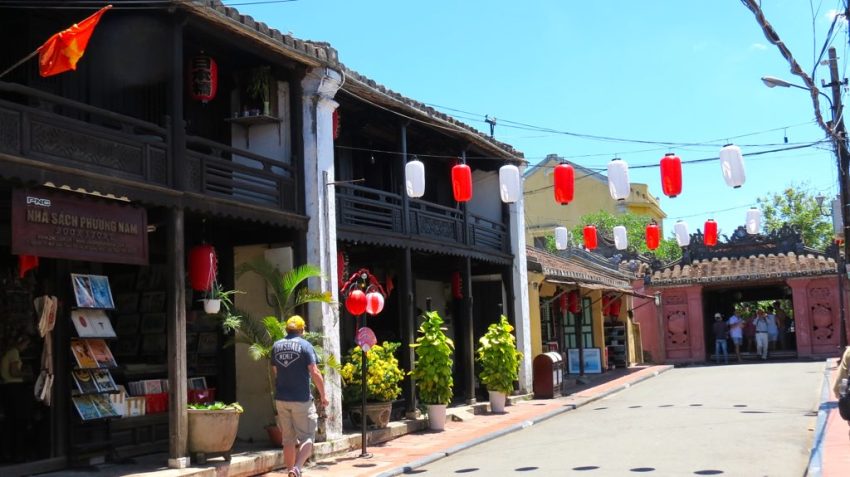
The Phung Hung Ancient House, built in 1780 during Hoi An's bustling trading era, is one of the best places to visit in Hoi An for travellers who appreciate architecture, history, and authentic cultural stories. Originally established as a trading shop dealing in forest products like cinnamon, pepper, salt, silk, chinaware, and glassware, the house's name-Phung Hung-symbolises prosperity and success. Its long-standing importance and well-preserved design also make it a highlight of any walking tour of Hoi An.
Stepping inside, visitors are greeted by a spacious entrance hall adorned with lanterns, embroidered wall hangings, and traditional décor that reflects centuries of craftsmanship. The famous balcony, complete with a suspended altar and sweeping views, remains one of the most photographed spots in the Ancient Town.
Table of Contents
- History and Significance of Phung Hung Ancient House
- Things to See and Do in Phung Hung Ancient House
- How to Get to Phung Hung Ancient House
- Practical Tips on Visiting Phung Hung Ancient House
- Where to Stay close to Phung Hung Ancient House
- Is Phung Hung Ancient House Worth Visiting?
- FAQs for Visiting Phung Hung Ancient House
- Nearby Attractions to Phung Hung Ancient House
History and Significance of Phung Hung Ancient House
The Old House of Phung Hung reflects the prosperity of Hoi An's golden age as an international trading port. Built by a wealthy Vietnamese merchant, it became a symbol of commercial success and family heritage. Its purpose extended beyond commerce, serving as a meeting place, a storage hub, and a home that adapted to the rhythms of the town's trading life.
Legend and memory also shape the identity of the house. The name itself expresses hopes for wealth and longevity, values central to merchant families of the time. Over generations, the house has seen cultural exchange, seasonal flooding, and shifts in the town’s trade patterns, yet it has remained deeply connected to the community’s sense of identity.
Today, the eighth-generation descendant of the original family still resides here, carefully preserving its historic structure and maintaining its role as one of the top attractions in Hoi An for visitors interested in domestic architecture and family legacy.
Things to See and Do in Phung Hung Ancient House
One of the most impressive features is the structure’s sophisticated wooden architecture, supported by 80 columns resting on lotus-shaped bases that prevent moisture damage and subsidence. This engineering detail alone showcases the ingenuity of Hoi An’s traditional builders.
As you explore the house, you'll notice the harmonious blend of Vietnamese, Chinese, and Japanese influences. The Chinese-style balcony and doors, the Japanese-inspired “Four Sea” roof, and the turtle-shell round-shaped upper roofs create a unique combination rarely found elsewhere in the Ancient Town. Wandering through these rooms is one of the top sights in Hoi An for travellers who love architectural detail.
The house also reveals clever adaptations for seasonal flooding. Shuttered doors and a garret allow goods to be moved upward during heavy rains, while its yin and yang tiled roof improves ventilation throughout the structure. The balcony, with its suspended altar and atmospheric vantage point, remains one of the best places to see in Phung Hung Ancient House for photography lovers.
How to Get to Phung Hung Ancient House
Most visitors arrive in Hoi An via Da Nang International Airport, the nearest aviation hub, located about 45 minutes away from the Ancient Town. For the best deals and a seamless booking experience, check out these flights to Hoi An on Booking.com.
Travellers arriving by rail typically use Da Nang Railway Station, which connects to major Vietnamese cities and offers easy onward travel to Hoi An by taxi or bus. Train schedules and bookings can be found on Omio.
Once in Hoi An, the Phung Hung Ancient House sits in the heart of the Ancient Town on Nguyen Thi Minh Khai Street. It is an easy walk from nearby attractions such as the Japanese Covered Bridge, and visitors travelling by car will need to use designated parking areas outside the pedestrian zone.
Practical Tips on Visiting Phung Hung Ancient House
- Suggested tips: Visit early or late in the day to enjoy quieter moments and better lighting.
- Best time to visit: February to August offers pleasant conditions for exploring the Ancient Town.
- Price: Hoi An Old Town Ticket Required (120,000 VND)
- Opening Hours: Typically 8:00–17:00
- How long to spend: Around 30 to 45 minutes is ideal for a thorough visit.
- Accessibility: Narrow staircases and raised thresholds may be challenging for some visitors.
- Facilities: Facilities are limited inside, but cafés and shops are nearby.
- Photography tip: The upstairs balcony provides excellent angles for atmospheric photos.
- Guided tours: Many local walking tours include the Phung Hung Ancient House as a key stop.
- Nearby food options: Surrounding streets offer traditional Vietnamese dishes and small cafés.
Where to Stay close to Phung Hung Ancient House
For a stay close to Hoi An’s heritage core, consider La Residencia Hoi An Boutique Hotel, offering stylish rooms near the Japanese Covered Bridge. Another excellent option is Vinh Hung Heritage Hotel, which immerses guests in the ambience of the Ancient Town. For comfort and convenience, Little Riverside Hoi An provides beautiful riverside views within easy reach of historic landmarks.
Is Phung Hung Ancient House Worth Visiting?
Yes, the Phung Hung Ancient House is absolutely worth visiting. Its remarkable blend of cultural influences, sophisticated architectural solutions to flooding, and deep family heritage create a rich and memorable experience. For anyone exploring the soul of Hoi An, this ancient house offers an intimate window into the town's merchant past.
What Other Travellers Say...

The Old House of Phung Hung on 4 Nguyễn Thị Minh Khai is a preserved historic home still furnished in its original style, with wooden carvings, a two‑storey covered atrium and displays of traditional life and trade; it's adjacent to the Japanese Bridge and a bookshop, contains a balcony and a small gift shop, and is still inhabited by descendants of the family, though visitors note the interior visit is brief and some have experienced pushy sales tactics or unfriendly staff.


FAQs for Visiting Phung Hung Ancient House
Nearby Attractions to Phung Hung Ancient House
- Japanese Covered Bridge: Hoi An's most iconic landmark, only steps away and rich in cultural history.
- Old House of Tan Ky: Another beautifully preserved merchant residence showcasing centuries of tradition.
- Cantonese Assembly Hall: A visually striking temple featuring dragon motifs and ornate architecture.
- Fujian Assembly Hall: A vibrant heritage site dedicated to Thien Hau with colourful courtyards and shrines.
- Hoi An Night Market: A bustling area filled with lanterns, street food, and lively evening atmosphere.
The Phung Hung Ancient House appears in our Complete Guide to Visiting Hoi An!

Moira & Andy
Hey! We're Moira & Andy. From hiking the Camino to trips around Europe in Bert our campervan — we've been traveling together since retirement in 2020!
This website uses affiliate links which may earn a commission at no additional cost to you!
Planning Your Visit
Typically 8:00-17:00
Hoi An Old Town Ticket Required (120,000 VND)
Nearby Attractions
- Japanese Covered Bridge (0.0) km
Bridge - Museum of Sa Huỳnh Culture (0.1) km
Museum - Cantonese Assembly Hall (0.1) km
Historic Building - Ba Mu Temple (0.1) km
Buddhist Temple - Duc An Ancient House (0.2) km
Historic Building - Phap Bao Temple (0.2) km
Pagoda - Cam Pho Temple (0.2) km
Buddhist Temple - Ancient House of Tan Ky (0.2) km
Historic Building - Tran Family Chapel (0.4) km
Historic Building - Museum of Trade Ceramics (0.4) km
Museum