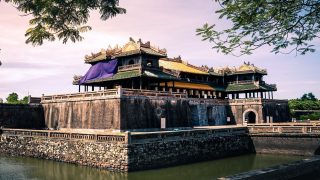
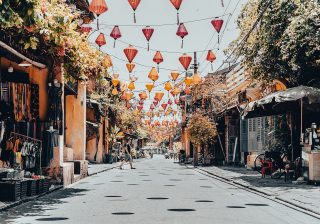
Perfume River, Hue
River in Hue
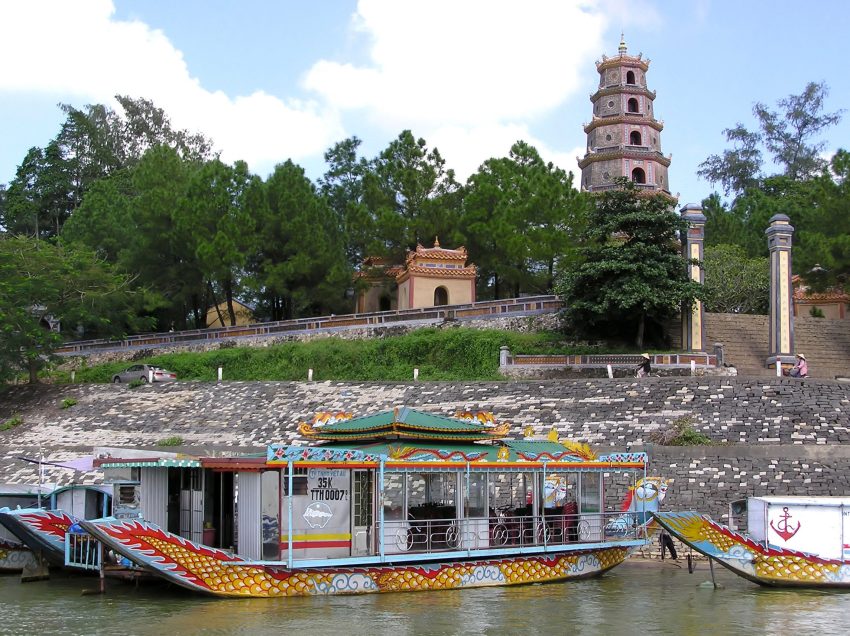
The Perfume River, known in Vietnamese as Song Huong or Huong Giang, flows gracefully through the ancient city of Hue, shaping its landscape, culture, and history for centuries. Stretching around 80 kilometres, the river earned its poetic name from aromatic plants in the Truong Son Mountains that once drifted downstream, perfuming the waters. Today, its soft currents, green reflections, and serene atmosphere make it one of the best places to visit in Hue.
Originating in the Truong Son range, the river's two tributaries-Ta Trach and Huu Trach-merge at Bang Lang Fork before the Perfume River winds past temples, plains, imperial resting places, and charming villages. As it flows into the heart of Hue, it mirrors the mountains behind it and carries the stories of the Nguyen emperors, ancient settlements, and the cultural life of the region.
Table of Contents
- History and Significance of the Perfume River
- Things to See and Do in the Perfume River
- How to Get to the Perfume River
- Practical Tips on Visiting the Perfume River
- Where to Stay close to the Perfume River
- Is the Perfume River Worth Visiting?
- FAQs for Visiting the Perfume River
- Nearby Attractions to the Perfume River
History and Significance of the Perfume River
The Perfume River forms part of Hue's identity as deeply as its imperial monuments. Its two tributaries begin high within the forests of the Truong Son Mountains. Ta Trach flows northwest from the Truong Dong range, while Huu Trach passes the Tuan ferry before meeting its counterpart at Bang Lang Fork. From there, the river travels through sacred landscapes including the Hon Chen and Ngoc Tran temples and glides through fertile plains before reaching Hue.
Historically, the river linked the imperial capital with outlying villages, ceremonial sites, and royal tombs. The Nguyen emperors carefully selected their burial grounds along the river’s course due to its auspicious Feng Shui qualities. Its steady, low-altitude flow from Bang Lang to Thuan An estuary creates a calm expanse of water that has long symbolised tranquillity and harmony-values central to Hue’s cultural heritage.
For centuries, poets, artists, musicians, and emperors have celebrated the Perfume River for its beauty, clarity, and spiritual resonance, making it a living symbol of central Vietnam.
Things to See and Do in the Perfume River
The most memorable way to experience the river is by taking a traditional dragon boat ride. These boats, adorned with colourful dragon heads, glide slowly along the water, providing picturesque views of Hin Islet, riverside pagodas, old villages, and historic landmarks. Many rides include performances of Hue court music, creating an atmospheric cultural immersion.
Sunset cruises are especially enchanting as warm light spreads across the water and silhouettes of ancient buildings appear along the banks. Along the route, you'll pass iconic landmarks such as Thien Mu Pagoda, famed for its riverside perch and tiered tower, and the Imperial Citadel's moats and walls reflecting in the calm water.
Travellers who enjoy exploring on foot can follow riverside promenades near Trang Tien Bridge or stroll along leafy pathways in quieter districts downstream. Village visits, photography, and simply soaking in the peaceful scenery are all rewarding ways to appreciate the river.
How to Get to the Perfume River
Phu Bai International Airport is located about 16 kilometres south of Hue and is the nearest gateway for visitors flying into the region. For the best deals and a seamless booking experience, check out these flights to Hue on Booking.com.
Hue Railway Station provides convenient train connections from major Vietnamese cities such as Hanoi, Da Nang, and Ho Chi Minh City, and is only a short distance from the riverfront. Train schedules and bookings can be found on Omio.
Travelling by car or motorbike is easy, with riverside roads leading directly to central spots such as Toa Kham Wharf and Trang Tien Bridge, where most boat rides depart.
Practical Tips on Visiting the Perfume River
- Suggested tips: Take a sunset boat ride for the most atmospheric experience.
- Best time to visit: Late afternoon to evening or early morning for soft lighting and cooler temperatures.
- Entrance fee: Free to visit; dragon boat rides are paid separately.
- Opening hours: Accessible at all times; boat services operate throughout the day.
- How long to spend: 1-2 hours for a boat ride; more if exploring riverfront areas.
- Accessibility: Riverside promenades are accessible; boat boarding may require stepping down onto floating docks.
- Facilities: Cafés, rest areas, and shops line much of the riverbank.
- Photography tip: Capture the river at dawn or dusk when colours reflect beautifully on the water.
- Guided tours: Boat excursions and sightseeing tours often include historical commentary.
- Nearby food options: Numerous cafés, street vendors, and riverside restaurants near Trang Tien Bridge.
Where to Stay close to the Perfume River
The river runs through the heart of Hue, giving visitors many convenient accommodation choices. The elegant Azerai La Residence offers a refined riverside stay. For boutique comfort, Saigon Morin Hotel provides French-colonial charm and excellent river views. Travellers seeking a modern, central base may enjoy Indochine Palace.
Is the Perfume River Worth Visiting?
Absolutely-its beauty, cultural symbolism, and tranquil atmosphere make the Perfume River one of the top sights in Hue. Whether you explore by dragon boat, wander along its scenic banks, or pause on a bridge to watch the reflections dance across the water, the Perfume River offers an enriching, peaceful experience in the heart of central Vietnam.
What Other Travellers Say...

Da Vien Bridge in Phú Thuận, Huế offers a pleasant riverside spot for jogging and fresh air where visitors praise its cool, relaxing atmosphere and scenic views, including a popular place on the nearby island to watch the sunset; evenings can be crowded with couples, but many still find the bridge itself beautiful.


FAQs for Visiting the Perfume River
Nearby Attractions to the Perfume River
- Thien Mu Pagoda: A historic riverside temple overlooking the water.
- Imperial Citadel: The grand seat of Nguyen Dynasty rule.
- Tu Duc Tomb: A poetic lakeside mausoleum nestled in forested terrain.
- Vong Canh Hill: A scenic viewpoint offering sweeping river vistas.
- Khai Dinh Tomb: A dramatic hillside tomb known for ornate mosaics.
The Perfume River appears in our Complete Guide to Visiting Hue!

Moira & Andy
Hey! We're Moira & Andy. From hiking the Camino to trips around Europe in Bert our campervan — we've been traveling together since retirement in 2020!
This website uses affiliate links which may earn a commission at no additional cost to you!
Nearby Attractions
- Phu Van Tower (0.2) km
Historic Building - Nine Holy Cannons (0.4) km
Historic Site - Meridian Gate (0.5) km
City Gate - Hien Lam Pavilion (0.6) km
Historic Building - Thai Hoa Palace (0.6) km
Palace - Mieu Temple (0.6) km
Historic Building - Hung Mieu Temple (0.7) km
Historic Building - Halls of the Mandarins (0.7) km
Historic Building - Noon Gate (0.7) km
City Gate - Forbidden Purple City (0.8) km
Historic Building