Oudong, Phnom Penh
Town near Phnom Penh
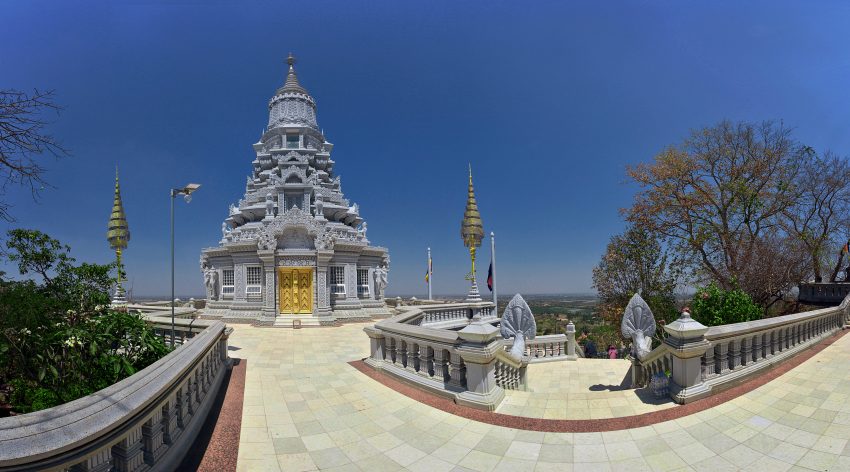
Oudong, also known as Oudong Meanchey, lies about 40 kilometres north of Phnom Penh and feels a world away from the capital's traffic and construction. Once the royal capital of Cambodia from the 17th to the 19th centuries, it is now a quiet, contemplative place where hilltop stupas, pagodas and meditation centres overlook a patchwork of rice paddies and sugar palms. For many travellers, it is one of the must-see places in Phnom Penh's wider region, especially if you are interested in royal history and Buddhist pilgrimage sites.
The heart of Oudong is Phnom Udong, the low but dramatic hill crowned with chedis and shrines. Here you will find stupas containing the remains of Khmer kings, relics said to belong to the Buddha and a modern meditation centre where monks and laypeople come to practise Vipassana. Climbing the naga-lined staircases rewards you with both spiritual ambience and far-reaching views over the countryside, making Oudong a great place to visit on tours from Phnom Penh.
History and Significance of Oudong
The name Oudong, meaning “Supreme,” hints at the town's former importance. From the 1600s until the mid-19th century, this was the royal capital of Cambodia, home to successive kings who built palaces, stupas and temples along the ridge of Phnom Udong. During this period the hill became both a political and spiritual centre, with royal courts below and sacred structures above, symbolising the connection between earthly rule and Buddhist cosmology.
Oudong's fortunes ebbed and flowed with invasions, internal conflicts and shifting trade routes. The city saw episodes of grandeur when kings invested heavily in temples and stupas and periods of destruction when foreign armies or internal struggles swept through. Many of the stupas and structures you see today have been rebuilt or restored after damage, particularly from wars and, more recently, from the Khmer Rouge, who targeted Oudong because of its royal and religious symbolism. Yet the site endured and continues to draw pilgrims who come to pay respects at royal tombs and Buddhist relics.
Among the most important monuments are Preah Sakyamoni Chedi, which houses relics believed to belong to the Buddha, the Chedi of Damrei Sam Poan with its distinctive elephant carvings and the Chedi of King Ang Duong, built in honour of one of Cambodia’s most respected monarchs. Together, these structures form a kind of open-air archive of royal and spiritual memory, where stones, stupas and relics tell the story of Cambodia’s resilience and faith through centuries of upheaval.
Things to See and Do in the Oudong
Your visit to Oudong will almost certainly focus on Phnom Udong itself. At the base of the hill, you will find the main staircase, flanked by naga (serpent) balustrades and guardian figures. The climb is steady rather than extreme, but the steps can feel long in the heat, so pause occasionally to look back at the views opening up over the surrounding plain. From halfway up, the patchwork of rice fields, palm trees and small villages spreads out in every direction.
At the top, start by exploring the cluster of stupas that crown the hill. Preah Sakyamoni Chedi, housing Buddha relics, is a focal point for pilgrims; you may see locals lighting incense, kneeling in prayer and circling the stupa in quiet devotion. Nearby, the Chedi of Damrei Sam Poan stands out with its elephant carvings, while the Chedi of King Ang Duong anchors the royal connection, reminding visitors of Oudong's role as the capital before Phnom Penh. Take time to walk a full loop around the hilltop paths, as different viewpoints capture both the monuments and the landscape from changing angles.
Further along the ridge or at the foot of the hill you will encounter modern pagodas and, notably, the Vipassana Dhura Buddhist Meditation Center. This active monastery hosts monks, nuns and laypeople who come for retreats and daily practice, and the sight of white-clad meditators or monks moving quietly between buildings adds to the sense of living spirituality. If you have the time and interest, you can explore beyond the main staircases, following side paths to smaller stupas, shrines and viewpoints that feel less visited but just as atmospheric. A simple picnic at the base or in a shaded area completes the experience, with the hill and its stupas rising above you as a constant backdrop.
How to Get to the Oudong
The nearest major gateway is Phnom Penh International Airport, from which most visitors travel into the capital and then continue north to Oudong by road. For the best deals and a seamless booking experience, check out these flights to Phnom Penh on Booking.com.
There is limited practical use of trains for reaching Oudong from Phnom Penh, so most travellers rely on buses, minivans and private vehicles when moving between Cambodian cities, and then arrange a specific transfer to Oudong from the capital.Train schedules and bookings can be found on Omio. From Phnom Penh, Oudong lies around 40 km to the north along National Highway 5; you can hire a tuk-tuk, taxi or private car for the 1.5-hour journey, or join an organised tour that combines Oudong with other nearby stops such as Kampong Luong.
If you are travelling by car, the route is straightforward: follow National Highway 5 towards Kampong Chhnang and look for turn-offs signed for Oudong and Phnom Udong; many visitors arrange a round-trip fare with their driver, including waiting time while they explore the hill and surrounding area.
Practical Tips on Visiting the Oudong
- Suggested tips: Bring plenty of water, a hat and sunscreen for the climb, and consider timing your visit for early morning or late afternoon to soften both the light and the heat.
- Best time to visit: The cooler, drier months from November to February are ideal; sunrise and sunset visits offer especially beautiful views over the countryside and gentler temperatures.
- Entrance fee: There is usually no formal ticket, but small donations for the pagodas and upkeep are appreciated.
- Opening hours: Accessible during daylight hours
- How long to spend: Plan half a day to travel from Phnom Penh, climb the hill, explore the stupas and meditation centre and enjoy the views at a relaxed pace.
- Accessibility: The ascent involves long flights of stairs and uneven paths, which can be challenging for visitors with mobility issues; there is no lift or vehicle access to the summit.
- Facilities: Basic food stalls, drink vendors and simple restrooms can usually be found near the base of the hill; bring tissues, hand sanitiser and enough water for the climb.
- Photography tip: Wide shots from the top of Phnom Udong capture both the line of stupas and the flat plains beyond; closer in, focus on carvings, naga handrails and offerings for more intimate images.
- Guided tours: Many Phnom Penh-based operators offer half-day or full-day trips to Oudong with a guide, which can add valuable historical and religious context to what you see.
- Nearby food options: Simple roadside eateries and stalls line parts of the route and cluster near the base; for a wider choice of cafés and restaurants, most visitors eat in Phnom Penh before or after their excursion.
Where to Stay close to the Oudong
Most travellers choose to stay in Phnom Penh and visit Oudong as a day trip, since accommodation options around the hill itself are limited. A comfortable city base with good road access northwards is SUN & MOON Urban Hotel, which offers modern rooms and easy arrangements for private cars or tours to Oudong. For a more resort-style stay with a pool to return to after your hill climb, Aquarius Hotel and Urban Resort makes a convenient choice close to main city routes. If you prefer classic riverside views and a slightly more traditional hotel vibe, Hotel Cambodiana puts you near the riverfront while still allowing straightforward access to National Highway 5 for the drive to Oudong.
Is Oudong Worth Visiting
Oudong is definitely worth visiting if you are interested in Cambodia's royal past and spiritual present, especially and you have already explored Phnom Penh's central sights. The combination of hilltop stupas, royal tombs, Buddha relics and sweeping rural views gives you a sense of how earlier kings imagined their capital in relation to the landscape. At the same time, pilgrimage, prayer and meditation continue here today, so your visit feels like stepping into a living tradition rather than a frozen ruin. As a relatively easy day trip with strong historical and scenic rewards, Oudong stands out as one of the top attractions in Phnom Penh's surrounding countryside.
What Other Travellers Say...
Reviews Summary
Udong is a historic site in Cambodia offering a serene, off-the-beaten-path experience where visitors can explore the remnants of an old royal capital set amid peaceful surroundings in Udong.
FAQs for Visiting Oudong
Nearby Attractions to the Oudong
- Kampong Luong: A nearby village area known for its silver artisans, often combined with Oudong on organised tours for a crafts-focused stop.
- Phnom Penh: Cambodia's capital city, with major sights such as the Royal Palace, National Museum and riverside promenade about 1.5 hours' drive away.
- Mekong Island (Koh Dach): A rural island near Phnom Penh famous for silk weaving, orchards and sunset river cruises, ideal for another day trip.
- Tonle Bati and Ta Prohm Temple: A lakeside retreat and Angkorian temple south of Phnom Penh, offering a mix of history, swimming and village life.
- Phnom Chisor: A hilltop Angkorian temple further afield, rewarding visitors with far-reaching views and an atmospheric climb through countryside.
The Oudong appears in our Complete Guide to Visiting Phnom Penh!

Moira & Andy
Hey! We're Moira & Andy. From hiking the Camino to trips around Europe in Bert our campervan — we've been traveling together since retirement in 2020!
This website uses affiliate links which may earn a commission at no additional cost to you!
Planning Your Visit
Accessible during daylight hours
There is usually no formal ticket, but small donations for the pagodas and upkeep are appreciated.
Nearby Attractions
- Mekong Island (29.3) km
Island - Wat Phnom (33.5) km
Buddhist Temple - Central Market (Phsar Thmey) (33.9) km
Market - Phnom Penh Night Market (33.9) km
Market - Sisowath Quay (34.2) km
Walk - Wat Ounalom (34.6) km
Buddhist Temple - National Museum of Cambodia (34.8) km
Museum - Royal Palace of Cambodia (35.1) km
Palace - Wat Langka (35.6) km
Buddhist Temple - Independence Monument (35.6) km
Monument