Orto Botanico, Padova
Gardens in Padova
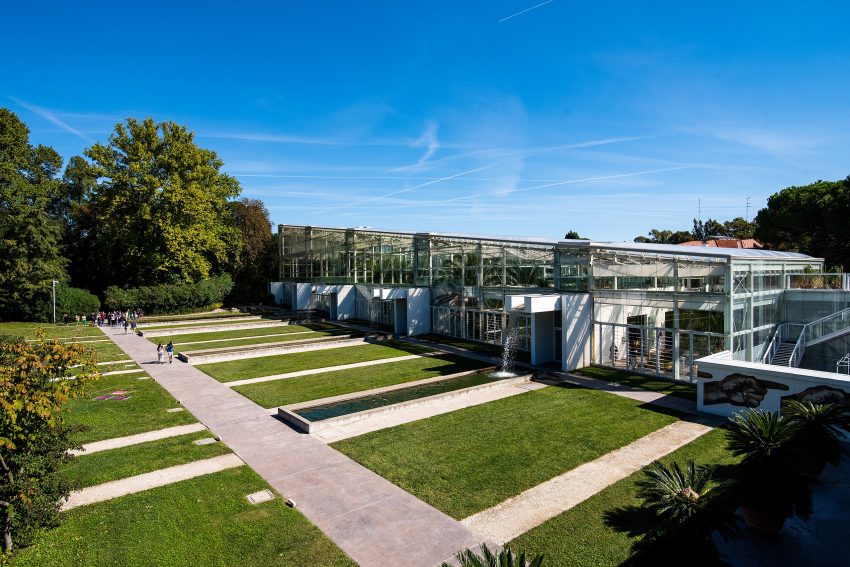
Padua University Botanical Garden (Orto Botanico di Padova) is where science, history and nature have been in conversation since 1545. Created under the Venetian Republic to help medical students study pharmacology and medicinal plants, it is widely recognised as one of the best places to visit in Padua if you are curious about how botany and medicine evolved together. Today, more than 7,000 plant species grow within its walls, from hardy Mediterranean herbs to exotic specimens under glass, all arranged in a way that still reflects the spirit of a “living laboratory”.
The garden's claim to fame is not only its age and UNESCO status but also its influence on scientific thought. Here, a centuries-old palm tree inspired Goethe's “Essay on the Metamorphosis of Plants”, and generations of scholars tested new ideas about plant anatomy, classification and medicinal use. As you move from the geometric Historical Garden, encircled by its old protective wall, into the sleek Biodiversity Garden with its climate-controlled biomes, you feel you are walking through time - a highlight of any walking tour of Padua for travellers who enjoy both greenery and great stories.
Table of Contents
- History and Significance of the Padua University Botanical Garden
- Things to See and Do in the Padua University Botanical Garden
- How to Get to the Padua University Botanical Garden
- Practical Tips on Visiting the Padua University Botanical Garden
- Where to Stay close to the Padua University Botanical Garden
- Is the Padua University Botanical Garden Worth Visiting
- FAQs for Visiting Padua University Botanical Garden
- Nearby Attractions to the Padua University Botanical Garden
History and Significance of the Padua University Botanical Garden
The Padua University Botanical Garden was established in 1545, making it the oldest university botanical garden in the world still in its original location. From the beginning its purpose was very practical: to provide living specimens for students at the University of Padua to study pharmacology, herbal medicine and natural sciences. At a time when medicine relied heavily on plant-based remedies, the garden functioned as an open-air textbook, allowing scholars to see, touch and compare species used in the healing arts.
Its original layout is full of symbolism and order. The circular plan, representing the world, encloses a square divided into four smaller quadrants, each historically dedicated to different plant groups. Fountains and water channels were integrated to keep the plants irrigated and the air cool, and a high circular wall was constructed to protect valuable medicinal specimens from theft. This walled, structured garden became a model for later botanical gardens across Europe and underpinned Padua’s reputation as a centre of scientific learning.
Over the centuries, the garden played a leading role in introducing new plants to Italy and Europe. Species such as sunflowers, potatoes and many other economically important crops were studied and propagated here before spreading more widely. In the early 17th century, Prospero Alpini - one of the garden’s directors - produced the first detailed European description of the coffee plant and its medicinal properties, helping to shape Europe’s relationship with this now ubiquitous beverage. The garden’s long-running contribution to botany, taxonomy and pharmacology is a key reason it is now recognised as a UNESCO World Heritage Site, celebrated as a place where science has been rooted in living plants for nearly five centuries.
Things to See and Do in the Padua University Botanical Garden
Most visits begin in the Historical Garden, where you step through the old gates and into a beautifully ordered space of paths, low walls and beds arranged in the original 16th-century pattern. The circular perimeter wall still encloses a square divided into four sectors, and you can stroll along the main walkways, pausing at labelled plants that range from medicinal herbs to ornamental species. Keep an eye out for the famous centuries-old palm, sometimes called “Goethe’s palm”, which inspired the writer’s reflections on how plants transform and adapt. It is a powerful reminder of just how long this garden has been observing and cataloguing life.
From there, move into the Biodiversity Garden, opened in 2014. This striking glass complex is organised by global climate zones, from arid deserts to tropical rainforests and temperate forests. As you follow the route through the conservatories, temperature and humidity change, and the plant communities shift accordingly. Information panels explain how species have adapted to each environment, and how these ecosystems are now affected by climate change and human activity. It feels like a compact journey around the botanical world without ever leaving Padua.
Beyond the main themed areas, take time to wander some of the quieter corners: alpine plants clinging to rocky slopes, aquatic species thriving in pools, and collections dedicated to particular plant families or regions. Benches tucked beneath trees provide peaceful spots to sit and absorb the atmosphere, while elevated walkways and terraces offer different viewpoints over the garden geometry. If you are particularly interested in history, look out for references to the University of Padua’s early anatomists and physicians, whose work was closely linked to the plants grown here. Exhibitions and temporary displays occasionally highlight specific themes such as medicinal plants, conservation or the history of botanical illustration.
How to Get to the Padua University Botanical Garden
Padua is easily reached from major northern Italian cities, and the botanical garden lies just south of the historic centre, close to Prato della Valle and the Basilica of Saint Anthony. The nearest major airport is Venice Marco Polo, with Treviso Airport also serving many low-cost flights; from either airport you can continue to Padua by bus, shuttle or train via Mestre or Venice, then reach the garden on foot or by local transport. For the best deals and a seamless booking experience, check out these flights to Padova on Booking.com.
If you are arriving by train, travel to Padova railway station on the main line between Venice, Milan, Bologna and Verona. Use Omnio to easily compare schedules, book train tickets, and find the best prices all in one place for a hassle-free journey across Italy. From the station, the garden is about a 20-25 minute walk through the old town, or a short tram or bus ride towards Prato della Valle; from there it is just a few minutes on foot to the garden entrance.
Travelling by car, Padua sits close to the A4 and A13 motorways, with clear signposting into the city and towards central parking areas. If you are looking to rent a car in Italy I recommend having a look at Discover Cars, first, as they compare prices and review multiple car rental agencies for you. Park on the edge of the historic centre or near Prato della Valle, then walk to the garden, enjoying the views of nearby churches and squares along the way. Once you are parked, there is no need for a car to move between the garden and other sights in the city.
Practical Tips on Visiting the Padua University Botanical Garden
- Suggested tips: Bring water, a hat and comfortable shoes, and plan to divide your time between the Historical Garden and the Biodiversity Garden so you experience both the heritage and the modern glasshouses.
- Best time to visit: Spring and early summer are ideal, with many plants in bloom and long days; autumn offers beautiful colours and fewer crowds, while winter can be quieter but still interesting inside the Biodiversity Garden.
- Entrance fee: Adults: €10, with PadovaCard €5
- Opening hours: Winter: 10:00 to 17:00; Summer: 10:00 to 19:00
- Official website: https://ortobotanico1545.it/
- How long to spend: Allow at least 1.5-2 hours; plant lovers and photographers may easily spend half a day exploring the different zones and relaxing on benches.
- Accessibility: Main paths in both the Historical and Biodiversity Gardens are generally accessible, though some older areas have uneven surfaces; lifts and ramps are provided in the modern glass structures.
- Facilities: Expect a ticket office, restrooms and a small bookshop or gift area; cafés and restaurants are available nearby around Prato della Valle and the surrounding streets.
- Photography tip: For classic shots, capture the symmetrical layout of the Historical Garden from an elevated viewpoint and contrast it with the sleek lines and lush interiors of the Biodiversity Garden’s glasshouses.
- Guided tours: Check in advance for guided visits or themed tours focused on medicinal plants, conservation or the garden’s history; these can add depth if you are particularly interested in science or botany.
- Nearby food options: Combine your visit with a coffee, gelato or meal in the streets between the garden and Prato della Valle, where you will find plenty of local cafés and trattorie.
Where to Stay close to the Padua University Botanical Garden
For easy access to the garden and the rest of Padua's historic centre, look for accommodation near Prato della Valle or around the Basilica of Saint Anthony. Hotel Al Prato is a convenient choice just a short walk from the garden, with the bonus of overlooking one of Italy’s most impressive squares. If you prefer a boutique feel, Hotel Belludi 37 places you close to the basilica and within comfortable walking distance of the garden, museums and main piazzas. Another solid option is Hotel Giotto, offering classic rooms in a central location that works well if you plan to explore on foot and visit several of Padua’s key sights in one stay.
Is the Padua University Botanical Garden Worth Visiting
The Padua University Botanical Garden is absolutely worth visiting, especially if you enjoy places where history and nature are tightly intertwined. It is not just a pleasant park but a working, curated collection that has been central to scientific progress for nearly five centuries. Walking its paths, you are following in the footsteps of students, professors and writers like Goethe, all of whom came here to look closely at plants and draw bigger conclusions about the natural world.
As one of the must-see places in Padua, the garden also offers a welcome pause from churches and city streets. You can move from the cool, geometric calm of the Historical Garden to the immersive climate zones of the Biodiversity Garden, learning about everything from medicinal herbs to tropical ecosystems along the way. Whether you are passionate about botany, curious about science or simply keen to spend time in a beautiful, meaningful green space, this historic garden more than earns a place on your Padua itinerary.
What Other Travellers Say...

University of Padua Botanical Garden at Via Orto Botanico 15 is presented as the world's oldest academic garden, home to over 3,500 species and founded by Benedictine monks; visitors say it's peaceful and worth a half-day visit, with centuries-old trees, large specimens and a variety of plants both common and obscure. The site includes a museum with multilingual displays and a free in-browser audio guide (bring earbuds), well-marked plantings and walkways, occasional dry-looking vegetation, greenhouses and statues noted for their charm, and visitor facilities like a WC; many recommend spending about two hours strolling slowly to take it all in.


FAQs for Visiting Padua University Botanical Garden
Nearby Attractions to the Padua University Botanical Garden
- Prato della Valle: A vast, elliptical square with a central island, statues and a surrounding canal, perfect for a stroll before or after your garden visit.
- Basilica of Saint Anthony of Padua: One of Italy's major pilgrimage churches, richly decorated and just a short walk from the garden.
- Museum of the History of Medicine of Padua (MUSME): An innovative museum in the former San Francesco hospital, exploring the evolution of medical science.
- University of Padua and Palazzo del Bo: The historic seat of the university, where you can learn about its academic heritage and famed anatomical theatre.
- Piazza delle Erbe and Piazza dei Frutti: Lively market squares at the heart of Padua’s old town, ideal for soaking up local atmosphere and enjoying a drink or snack.
The Orto Botanico appears in our Complete Guide to Visiting Padova!

Moira & Andy
Hey! We're Moira & Andy. From hiking the Camino to trips around Europe in Bert our campervan — we've been traveling together since retirement in 2020!
This website uses affiliate links which may earn a commission at no additional cost to you!
Planning Your Visit
Winter: 10:00 to 17:00; Summer: 10:00 to 19:00
Adults: €10, with PadovaCard €5
Nearby Attractions
- Basilica di Sant'Antonio (0.2) km
Basilica - Piazza del Santo (0.2) km
Square - Prato della Valle (0.3) km
Square - MUSME - Museum of the History of Medicine (0.7) km
Museum - Palazzo Bo (0.9) km
Historic Building and Palace - La Specola (0.9) km
Historic Building and Museum - Palazzo della Ragione (0.9) km
Historic Building and Market - Cafe Pedrocchi (0.9) km
Historic Building - Duomo di Padova (1.0) km
Cathedral - Piazza dei Signori (1.0) km
Square