Nantes History Museum
Museum in Nantes
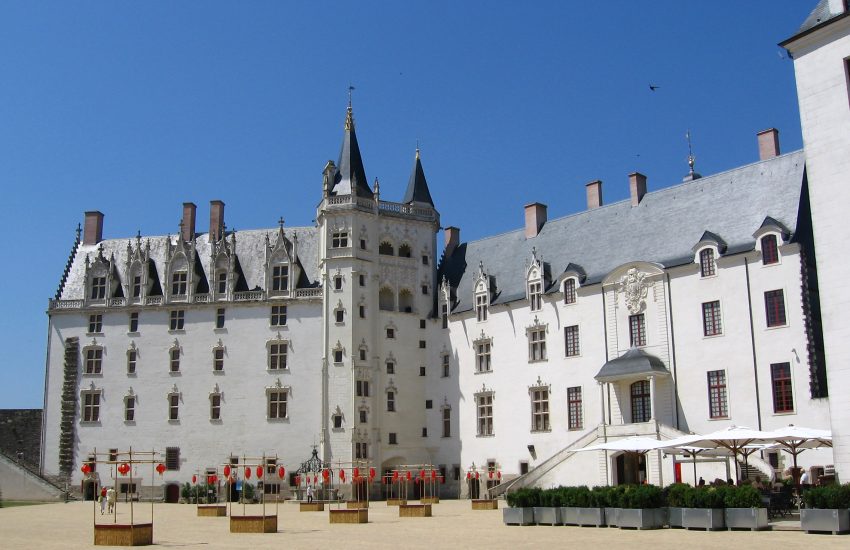
Set within the atmospheric walls of the Château des Ducs de Bretagne, the Nantes History Museum is one of the top attractions in Nantes for anyone curious about how the city became what it is today. Spread across 32 rooms inside the castle's restored buildings, the museum takes you on a journey from the days of ducal Brittany through maritime expansion, the Atlantic slave trade, industrial booms, wartime upheavals, and right up to contemporary Nantes. The setting alone-a medieval-turned-Renaissance fortress with ramparts and moat-is enough to make you linger before you even step inside.
Once you do, you'll find a seven-part circuit that combines objects, models, documents, and multimedia in a way that feels engaging rather than overwhelming. Exhibits tackle difficult subjects like the slave trade alongside stories of everyday life, industrial innovation, and social movements, making the museum often visited on walking tours of Nantes as the place where the city's different historical threads come together. Whether you are a dedicated history buff or just want to understand the backdrop to the streets you're walking, this is where Nantes really starts to make sense.
Table of Contents
- History and Significance of the Nantes History Museum
- Things to See and Do in the Nantes History Museum
- How to Get to the Nantes History Museum
- Practical Tips on Visiting the Nantes History Museum
- Where to Stay close to the Nantes History Museum
- Is the Nantes History Museum Worth Visiting?
- FAQs for Visiting Nantes History Museum
- Nearby Attractions to the Nantes History Museum
History and Significance of the Nantes History Museum
The Nantes History Museum owes its character not only to its collections but also to its home. The Château des Ducs de Bretagne, once the stronghold of the dukes of Brittany and later a royal fortress, has watched over the city for centuries. Transforming this castle into a city history museum turned the site itself into the first exhibit, with the courtyards, towers, and ramparts providing a physical framework for the stories told inside.
Within this setting, the museum is organised into a seven-part circuit that follows Nantes through key phases: ducal and royal power, maritime expansion, the city's rise as a major Atlantic port, its role in the slave trade, industrialisation, wartime experiences, and its transformation into a modern, creative metropolis. Each section is grounded in the castle's own history while branching out into the wider region and world, showing how events in Nantes were tied to global currents.
The museum is significant for the way it openly addresses complex and sometimes painful topics, especially the city's involvement in the Atlantic slave trade and the human consequences of economic expansion. By placing these narratives alongside those of everyday urban life, social movements, and rebuilding after war, the Nantes History Museum invites visitors to see the city as a living organism shaped by both triumphs and injustices-and to reflect on how those legacies still matter today.
Things to See and Do in the Nantes History Museum
Inside the castle buildings, 32 rooms guide you through a carefully structured route. Early sections introduce the history of the château and ducal Brittany, with models, armour, and artefacts that evoke court life, fortification, and the shifting relationship between Brittany and the French crown. Architectural elements of the castle are woven into the experience, so you're never far from a window, wall, or staircase that reminds you this history unfolded right where you're standing.
As you move forward, galleries devoted to maritime trade, shipbuilding, and port activity show how the Loire and Atlantic shaped Nantes' fortunes. Here you'll find models of ships, maps, cargo items, and documents that trace the city's rise as a major port. Importantly, this includes frank coverage of the Atlantic slave trade, with objects and multimedia that explore the routes, the human suffering, and the long-term impacts of this commerce. These rooms are powerful and thought-provoking, and they give essential context if you're also planning to visit the Mémorial de l'Abolition de l'Esclavage on the riverside.
Further along, rooms focused on industrialisation, labour, and social movements highlight how factories, transport, and new technologies reshaped everyday life. Displays on the World Wars, resistance, and reconstruction show Nantes under pressure and in recovery, while contemporary sections explore urban planning, cultural projects, and the city's current identity. Throughout, multimedia presentations, films, and interactive stations keep things engaging, making the Nantes History Museum one of the best places to visit in Nantes if you want an accessible yet nuanced overview of local and global history.
How to Get to the Nantes History Museum
The Nantes History Museum is located inside the Château des Ducs de Bretagne in the heart of the city, just a short walk from the cathedral, Bouffay district, and main shopping streets. If you are arriving by air, Nantes Atlantique Airport lies southwest of the city, with shuttle buses and other public transport options linking the terminal to central Nantes in about 20-30 minutes; from there it is an easy walk or tram ride to the château and museum. For the best deals and a seamless booking experience, check out these flights to Nantes on Booking.com.
By train, you will arrive at Nantes' main railway station, which is well connected by TGV and regional services. From the station, it's roughly a 10-minute walk to the castle-simply follow signs toward the Château des Ducs de Bretagne or the city centre, and the ramparts soon come into view. Trams and buses also run frequently between the station area and stops near the château if you prefer not to walk. You can use SNCF Connect to check schedules, compare routes, and purchase tickets for National (SNCF ) and regional trains (TER). For a more streamlined experience, we recommend using Omio, which allows you to easily compare prices, schedules, and book tickets for both National and Regional travel across all of Europe, all in one place.
Travelling by car, follow signs for Nantes centre and then for the château or nearby landmarks; several underground and multi-storey car parks are located close to the historic core. Once parked, it's only a few minutes on foot to the castle entrance and museum ticket office, and you can explore the rest of central Nantes easily on foot from there. If you are looking to rent a car in France I recommend having a look at Discover Cars, first, as they compare prices and review multiple car rental agencies for you.
Practical Tips on Visiting the Nantes History Museum
- Suggested tips: Start your visit with a quick lap around the castle courtyard and ramparts if possible, then head inside the museum; seeing the outside first helps anchor the stories you’ll encounter in the rooms.
- Best time to visit: Weekday mornings or late afternoons are often quieter, giving you more space to read panels and enjoy multimedia without crowds.
- Entrance fee: Adults: €9
- Opening hours: Tuesday to Sunday: 10:00 to 18:00, closed Mondays
- Official website: https://www.chateaunantes.fr/le-musee/decouvrir-le-musee/
- How long to spend: Plan at least 2-3 hours if you want to follow the full seven-part circuit and spend time with the multimedia; history enthusiasts may happily stay longer.
- Accessibility: The museum has lifts and adapted routes in many areas, though some historic spaces and levels may present challenges; ask at reception for the most accessible path through the circuit.
- Facilities: On site you’ll find a ticket office, toilets, a museum shop, and access to the wider château facilities, which may include a café and outdoor seating areas.
- Photography tip: Capture the contrast between the castle’s stone walls and the modern interior displays; inside, focus on details like ship models, documents, and atmospheric lighting, following any photography guidelines.
- Guided tours: Look out for guided visits or audio guides that highlight key objects and dive deeper into themes like the slave trade, industrialisation, or wartime Nantes.
- Nearby food options: The streets around the château and in the Bouffay quarter are packed with cafés, crêperies, and bistros, perfect for a meal or drink before or after your museum visit.
Where to Stay close to the Nantes History Museum
Staying near the Nantes History Museum and the Château des Ducs de Bretagne puts you right in the centre of the city, with easy access to the cathedral, Bouffay, and tram lines. Directly opposite the castle, L'Hôtel - Face au Château offers comfortable rooms and unbeatable views, making it ideal if you want to be just steps from the museum entrance. A short walk away, Hôtel La Pérouse Nantes combines modern design with a central location close to shopping streets and public transport, giving you quick links to the station and other districts. For a quieter neighbourhood feel while remaining within walking distance of the château, Hôtel Chateaubriand provides a cosy, good-value base with pleasant routes into the historic centre.
Is the Nantes History Museum Worth Visiting?
The Nantes History Museum is absolutely worth visiting, especially if you like to understand the deeper story behind a destination rather than just ticking off photo spots. It offers a clear, engaging overview of how Nantes developed from ducal capital and major slave-trading port into an industrial city and then a modern cultural hub, all set within the evocative surroundings of the château. The combination of objects, models, documents, and multimedia keeps things lively and accessible while still tackling complex subjects with honesty. For anyone curious about how history, geography, and politics have shaped this corner of the Loire, the museum is a must-see.
What Other Travellers Say...

The Jules Verne Museum at 3 Rue de l'Hermitage is a compact, tri-level townhouse museum dedicated to the novelist, with memorabilia, manuscripts, displays of his books, posters and replicas of inventions, plus a reading room and interactive items; visitors note it's smaller than the Amiens museum but well maintained, easy to explore in about an hour, budget-friendly with discounts for under-25s, occasionally uneven opening hours, a pleasant patio view and proximity to the Jardin Extraordinaire.


FAQs for Visiting Nantes History Museum
Nearby Attractions to the Nantes History Museum
- Château des Ducs de Bretagne: The fortress itself, with ramparts, courtyard, and views over central Nantes, surrounding the museum on all sides.
- Cathédrale Saint-Pierre-et-Saint-Paul de Nantes: A soaring Gothic cathedral with a bright interior and the tomb of François II, just a short walk away.
- Quartier Bouffay: The medieval heart of Nantes, full of narrow streets, half-timbered houses, and plenty of bars and restaurants.
- Musée d'Arts de Nantes: The city's main art museum, combining a 19th-century palais and modern Cube to showcase works from the 13th to the 21st century.
- Mémorial de l'Abolition de l'Esclavage: A powerful riverside memorial on the Quai de la Fosse that confronts Nantes' role in the Atlantic slave trade and honours abolition movements.
The Nantes History Museum appears in our Complete Guide to Visiting Nantes!

Moira & Andy
Hey! We're Moira & Andy. From hiking the Camino to trips around Europe in Bert our campervan — we've been traveling together since retirement in 2020!
This website uses affiliate links which may earn a commission at no additional cost to you!
Planning Your Visit
Tuesday to Sunday: 10:00 to 18:00, closed Mondays
Adults: €9
Nearby Attractions
- Château des Ducs de Bretagne (0.1) km
Castle - Cathédrale Saint-Pierre-et-Saint-Paul de Nantes (0.3) km
Cathedral - Jungle Intérieure (0.3) km
Gardens - Eglise Sainte-Croix (0.3) km
Church - Porte Saint-Pierre (0.4) km
City Gate - Musée d'Arts de Nantes (0.5) km
Museum - Jardin des Plantes (0.7) km
Gardens - Place Royale (0.7) km
Historic Building - Passage Pommeraye (0.8) km
Historic Building - Place Graslin (1.0) km
Square