Museum of Old Montpellier
Historic Building, Historic Site and Museum in Montpellier
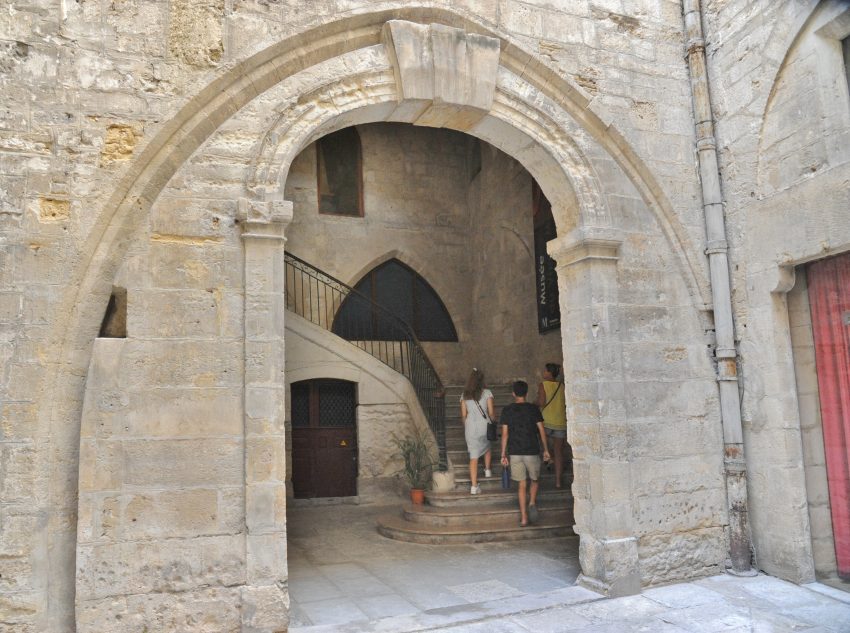
Tucked into Montpellier's atmospheric Écusson (Old Town), the Museum of Old Montpellier (Musée du Vieux Montpellier) is a small, city-history museum set inside the Hôtel de Varennes on Place Pétrarque. It's the kind of place you stumble upon while wandering medieval lanes and suddenly find yourself face-to-face with old maps, engravings, and objects that make the city's past feel surprisingly close.
Because it's compact and centrally located, it fits perfectly into a self-guided walking tour linking Place de la Canourgue, the Cathédrale Saint-Pierre, and the Promenade du Peyrou. Even if you're museumed-out, it's worth popping in for the historic building itself and a quick look at the visual story of how Montpellier evolved.
Table of Contents
- History and Significance of the Museum of Old Montpellier
- Things to See and Do in the Museum of Old Montpellier
- How to Get to the Museum of Old Montpellier
- Practical Tips on Visiting the Museum of Old Montpellier
- Where to Stay Close to the Museum of Old Montpellier
- Is the Museum of Old Montpellier Worth Visiting?
- For Different Travelers
- FAQs for Visiting Museum of Old Montpellier
- Nearby Attractions to the Museum of Old Montpellier
History and Significance of the Museum of Old Montpellier
The Museum of Old Montpellier focuses on the city's story from the Middle Ages through the 20th century, using objects, documents, and period-style rooms to bring different eras to life. Its setting in the Hôtel de Varennes adds an extra layer of authenticity: you're not just looking at history, you're standing inside it.
Rather than aiming for a huge, encyclopedic collection, the museum works like a curated time capsule. You'll see how civic life, religion, and everyday culture shaped Montpellier, with visual material (plans, perspectives, and prints) that helps you read the city outside once you step back into the streets.
It's also a useful “context stop” before or after bigger institutions like Musée Fabre: here, the focus is specifically Montpellier's identity, its urban changes, and the people and symbols that defined the city across centuries.
Things to See and Do in the Museum of Old Montpellier
One of the most enjoyable ways to visit is to move room-by-room as the museum shifts between periods. Look for displays that spotlight processions and religious life, then transition into spaces evoking the 18th century with period furniture and decorative details.
Don’t miss the museum’s strong visual material: old plans, perspectives, and engravings that show Montpellier’s skyline and landmarks across time. These are especially satisfying if you’ve been walking the Écusson, because you can compare what you’re seeing on paper with what’s still standing outside.
If you like quirky local details, keep an eye out for unexpected objects that hint at everyday leisure and civic pride. The museum is small, but it rewards slow looking-especially if you enjoy maps, prints, and the “how a city becomes itself” kind of history.
How to Get to the Museum of Old Montpellier
The nearest major airports are Montpellier Méditerranée Airport (MPL) for the quickest arrival, with Marseille Provence Airport (MRS) as a strong alternative if you're combining cities in the region. For the best deals and a seamless booking experience, check out these flights to Montpellier on Booking.com.
Montpellier is well connected by rail, and arriving at Montpellier Saint-Roch station puts you within easy reach of the historic center by a short walk or tram hop. You can use SNCF Connect to check schedules, compare routes, and purchase tickets for National (SNCF ) and regional trains (TER). For a more streamlined experience, we recommend using Omio, which allows you to easily compare prices, schedules, and book tickets for both National and Regional travel across all of Europe, all in one place.
If you’re driving, aim to park outside the tight Old Town streets and continue in on foot or by tram, since the Écusson is pedestrian-friendly but not car-friendly. If you are looking to rent a car in France I recommend having a look at Discover Cars, first, as they compare prices and review multiple car rental agencies for you.
Practical Tips on Visiting the Museum of Old Montpellier
- Official website: https://www.montpellier.fr/468-musee-du-vieux-montpellier.htm
- Entrance fee: Free.
- Opening hours: Closed (as of January 2025).
- Best time to visit: Late morning on a weekday is ideal for a calm visit before lunch in the Écusson. In summer, go earlier to avoid the hottest part of the day.
- How long to spend: Plan 30-45 minutes for a relaxed look, or 20 minutes if you’re doing a quick highlights lap.
- Accessibility: Expect stairs and a historic building layout; this is not a good fit if you need step-free access.
- Facilities: Keep expectations modest; it’s a small museum, so plan for cafés and restrooms in the surrounding Old Town rather than on-site.
Where to Stay Close to the Museum of Old Montpellier
Base yourself in the Écusson (historic center) for the easiest, most walkable access to the museum and Montpellier’s main sights.
Hôtel Richer de Belleval A standout for travelers who want a special-occasion stay in the heart of the Old Town, with design-forward interiors and an unbeatable location for walking everywhere.
Grand Hôtel du Midi Montpellier - Opéra Comédie Ideal if you want to be on Place de la Comédie for transport links, people-watching, and quick access to trams while still being close to the Écusson.
Hôtel Oceania Le Métropole A practical, comfortable choice near the Saint-Roch station-great if you’re arriving by train and want an easy base without sacrificing proximity to the center.
Hôtel des Arceaux A quieter option near the Promenade du Peyrou area, perfect if you like calmer evenings but still want a scenic walk into the Old Town.
Pullman La Pléiade Montpellier Centre A polished, full-service stay with a central location that works well for travelers who want hotel amenities and an easy walk to museums, shopping, and dining.
Is the Museum of Old Montpellier Worth Visiting?
Yes-if you enjoy small, local museums and want a quick, atmospheric dose of context for what you’re seeing in the Écusson. It’s easy to fit into a walking day, and the combination of historic building + maps/prints makes it more memorable than its size suggests.
Honest Pivot: If you prefer large collections, interactive exhibits, or deeply guided interpretation, you may find it underwhelming. In that case, prioritize Musée Fabre or simply enjoy the Old Town's streets and viewpoints, which deliver plenty of “Montpellier history” without needing a museum stop.
What Other Travellers Say...

Reviews suggest a small, charming city-history museum in a historic building, often described as easy to visit in 20–45 minutes. Visitors commonly praise the free entry, quiet atmosphere, and standout items like wall art and old maps, with helpful bilingual (French/English) information mentioned. A recurring downside is that some travelers find the collection less inspiring than expected, and a few note strict rules around photography and limited staff interpretation.


For Different Travelers
The Museum of Old Montpellier is best approached as a short, characterful add-on rather than a main event. Think of it as a pause button during your Old Town walk: a place to cool down, reset, and see the city's story in images and objects.
Families with Kids
Families can treat this as a quick “treasure hunt” museum: spot old maps, unusual objects, and compare historic views with what you saw outside. Because it’s small, it’s easier to keep kids engaged than in a large museum.
If your kids need hands-on activities, pair this visit with outdoor time at the Promenade du Peyrou or a playground break afterward. Keeping the museum portion short and purposeful works best.
Couples & Romantic Getaways
Couples will like the tucked-away feel and the sense of stepping into a quieter corner of the Écusson. It’s an easy, low-effort cultural stop between café breaks and scenic wandering.
Afterward, continue on foot to Place de la Canourgue or sunset views near Peyrou for a classic Montpellier stroll that feels intimate and unhurried.
Budget Travelers
This is a strong budget-friendly stop, especially if you’re building a day around free or low-cost Old Town experiences. The museum’s small size means you can get value without committing a big chunk of your day.
Combine it with a DIY walking route through the Écusson, a picnic-style lunch, and viewpoints like Peyrou to keep your itinerary high on atmosphere and low on spend.
History Buffs
History lovers will appreciate the city-specific focus: it’s not generic “French history,” but Montpellier’s own civic and urban story. The prints, plans, and period rooms help you understand how the city’s landmarks fit together.
To deepen the day, pair it with a walk that deliberately hits the cathedral area, old gates/streets, and Peyrou-then revisit the museum’s maps with fresh eyes.
FAQs for Visiting Museum of Old Montpellier
Getting There
Tickets & Entry
Visiting Experience
Tours, Context & Itineraries
Photography
Accessibility & Facilities
Food & Breaks Nearby
Safety & Timing
Nearby Attractions to the Museum of Old Montpellier
- Place de la Canourgue: A beautiful, historic square that's perfect for a quiet pause and classic Old Town atmosphere.
- Cathédrale Saint-Pierre: Montpellier's striking cathedral, known for its fortress-like presence and nearby medieval streets.
- Promenade du Peyrou: A grand promenade with viewpoints and a strong sense of Montpellier's monumental side.
- Arc de Triomphe: An iconic gateway near Peyrou that makes a great photo stop on a walking loop.
- Musée Fabre: The city's flagship art museum, ideal if you want to follow local history with major fine-art collections.
The Museum of Old Montpellier appears in our Complete Guide to Visiting Montpellier!

Moira & Andy
Hey! We're Moira & Andy. From hiking the Camino to trips around Europe in Bert our campervan — we've been traveling together since retirement in 2020!
This website uses affiliate links which may earn a commission at no additional cost to you!
Planning Your Visit
Closed (as of January 2025).
Free.
Nearby Attractions
- Rue de l'Aiguillerie (0.1) km
Area and Street - Place Jean Jaures (0.1) km
Attraction and Square - Chapel of the White Penitents (0.1) km
Attraction, Church and Religious Building - Prefecture of Hérault (0.2) km
Attraction, Historic Building and Notable Building - Charles-de-Gaulle Esplanade (0.2) km
Park, Promenade and Square - Notre Dame des Tables Basilica (0.2) km
Basilica, Church and Religious Building - Rue Foch (0.2) km
Area, Street and Walk - Fabre Museum (0.2) km
Arts Venue, Gallery and Museum - Place de la Comédie (0.2) km
Square - Opéra Comédie (0.3) km
Arts Venue, Opera House and Theatre