Museum of Nature and Archaeology, Santa Cruz de Tenerife
Attraction and Museum in Santa Cruz de Tenerife
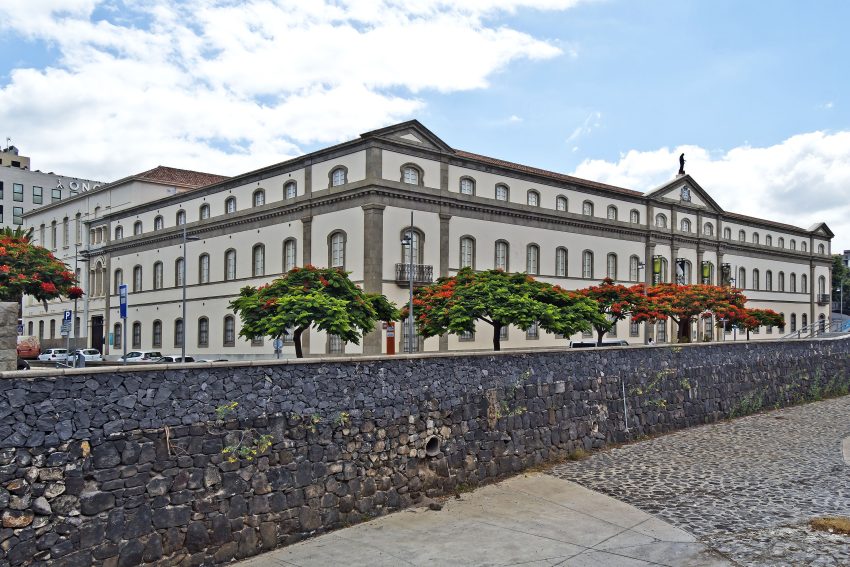
The Museum of Nature and Archaeology (often referred to as MUNA) is one of Santa Cruz de Tenerife's most rewarding indoor stops, bringing together the Canary Islands' natural history and the islands' pre-Hispanic past under one roof. Set in the city center, it's an easy add-on to a day of sightseeing around Plaza de España, the waterfront, and the historic streets nearby.
If you're exploring Santa Cruz on a walking tour, this is a smart anchor point: start with the old town and main squares, then duck into the museum for a cooler, quieter stretch of learning and discovery. It's also one of the best places in the capital to get context for everything you'll see across Tenerife, from volcanic landscapes to indigenous heritage.
Table of Contents
- History and Significance of the Museum of Nature and Archaeology
- Things to See and Do in the Museum of Nature and Archaeology
- How to Get to the Museum of Nature and Archaeology
- Practical Tips on Visiting the Museum of Nature and Archaeology
- Where to Stay Close to the Museum of Nature and Archaeology
- Is the Museum of Nature and Archaeology Worth Visiting?
- For Different Travelers
- FAQs for Visiting Museum of Nature and Archaeology
- Nearby Attractions to the Museum of Nature and Archaeology
History and Significance of the Museum of Nature and Archaeology
MUNA is significant because it doesn’t treat Tenerife’s story as two separate narratives. Instead, it connects the islands’ geology, ecosystems, and biodiversity with the human history that unfolded here long before modern tourism and port-city life shaped Santa Cruz.
A major focus is the indigenous Guanche culture and the wider pre-Hispanic Canary Islands world, presented alongside scientific collections that explain how isolation, climate, and volcanic origins shaped life on the archipelago. Visiting early in your trip can make later day trips feel more meaningful, especially if you're heading to volcanic viewpoints, coastal habitats, or archaeological sites.
Beyond the exhibits, the museum functions as a cultural and educational hub, with programming that reinforces its role as a reference point for understanding Tenerife’s identity through both science and heritage.
Things to See and Do in the Museum of Nature and Archaeology
Start by choosing your flow: many visitors like to tackle the archaeology side first (to ground the human story), then move into the natural history sections to see how the islands’ environment influenced daily life, resources, and settlement. The displays are typically modern and clearly organized, so it’s easy to navigate even if you’re short on time.
Highlights often include the Guanche-related collections and bioanthropology material, which can be intense but fascinating. If you’re sensitive to human remains, you may want to skim those rooms and focus more on material culture, reconstructions, and interpretive panels.
On the nature side, look for sections that explain island evolution, endemic species, and the geology that makes the Canaries so distinctive. Even if some interactive elements are temporarily out of service, the core exhibits are strong enough to carry the visit.
How to Get to the Museum of Nature and Archaeology
The nearest airports are Tenerife North Airport (TFN) and Tenerife South Airport (TFS), with TFN generally being the most convenient for reaching Santa Cruz quickly. For the best deals and a seamless booking experience, check out these flights to Santa Cruz de Tenerife on Booking.com.
Santa Cruz de Tenerife does not have a mainland-style intercity train network, so most visitors arrive by bus (guagua), tram, or car rather than rail. Train schedules and bookings can be found on Omio.
If you're driving, aim for one of the central underground car parks near Plaza de España or the Mercado area, then walk the last few minutes to the entrance. If you are looking to rent a car in Spain I recommend having a look at Discover Cars, first, as they compare prices and review multiple car rental agencies for you.
Practical Tips on Visiting the Museum of Nature and Archaeology
- Official website: https://www.museosdetenerife.org/muna-museo-de-naturaleza-y-arqueologia/
- Entrance fee: Adults: €5; Concessions: €3.50; Under 8: free; Free entry: Friday & Saturday from 16:00 until closing.
- Opening hours: Monday – Saturday: 09:00–19:00. Sunday: 10:00–17:00.
- Best time to visit: Go in the morning for a calmer experience and better reading time, especially if you want to take in the archaeology galleries without feeling rushed.
- How long to spend: Plan 1.5–2.5 hours for a satisfying visit; add extra time if you like reading panels closely or visiting with kids.
- Accessibility: Expect a museum setup that is generally manageable for visitors with limited mobility, but it’s worth confirming lift access and any temporary restrictions on arrival.
- Facilities: Look for on-site basics like restrooms and a shop, and consider pairing your visit with a nearby café stop in the center afterward.
Where to Stay Close to the Museum of Nature and Archaeology
Base yourself in central Santa Cruz near Plaza de España for the easiest walkable access to the museum, dining, and transport connections.
Iberostar Heritage Grand Mencey A classic, upscale choice with a resort-like feel in the city, ideal if you want a special stay while still being close to the center.
Hotel Taburiente A reliable mid-range option near green spaces, good for travelers who want comfort and a quieter base while staying central.
AC Hotel Tenerife by Marriott A modern, business-friendly pick in the heart of town, great for short stays and easy walking to museums and restaurants.
NH Tenerife A practical central hotel that suits travelers who prioritize location, straightforward rooms, and quick access to the old town.
Hotel Adonis Plaza A budget-leaning, super-central base that’s convenient for early museum starts and evening strolls around the main squares.
Is the Museum of Nature and Archaeology Worth Visiting?
Yes, especially if you want more than beaches and viewpoints. It's one of the best places in Santa Cruz to understand what makes the Canary Islands unique, and it delivers strong value for the time and cost, with a mix of natural history and indigenous heritage that's hard to find elsewhere in one visit.
Honest Pivot: If you’re only interested in quick photo stops, or you strongly prefer highly interactive, fully multilingual museums, you may find parts of the experience slower-paced. It can also feel heavy if you’re uncomfortable with bioanthropology displays, so consider whether that content is right for you.
What Other Travellers Say...

Visitors rate the museum very highly for its modern, well-organized exhibits covering both Canary Islands natural history and indigenous archaeology, with many calling it excellent value. Common highlights include the depth of information, standout Guanche-related collections, and the clear split between nature and archaeology sections. The most frequent drawbacks are limited multilingual interpretation (some visitors struggle when content is mostly in Spanish) and occasional interactive screens or games being out of service, plus limited staff availability for questions.


For Different Travelers
MUNA works well as a flexible, weather-proof attraction: you can do a fast highlights loop or settle in for a deeper, more reflective visit. The key is matching your route through the museum to your interests and energy level.
Families with Kids
Families can treat the museum like a discovery walk: pick a few themes (volcanoes, island animals, early inhabitants) and turn it into a scavenger-hunt style visit. Short attention spans do best with a “choose your top rooms” approach rather than trying to see everything.
If some interactive stations are unavailable, lean on the visual exhibits, models, and videos. A snack break afterward in the center can help keep the day smooth.
Couples & Romantic Getaways
For couples, this is a great “shared context” stop early in a Tenerife trip, especially before heading to La Laguna, Anaga, or volcanic landscapes. It’s calm, air-conditioned, and gives you plenty to talk about over lunch.
If you like cultural dates, pair it with a walk through the historic center and a sunset stroll near the waterfront. The museum’s mix of science and heritage makes it feel more distinctive than a standard art-only visit.
Budget Travelers
Budget travelers will appreciate that the museum is strong value and doesn’t require a full-day commitment. It’s also centrally located, so you can reach it on foot or by public transport without extra costs.
To stretch your budget further, plan your visit around any free-entry windows if they align with your schedule. Even on paid entry, it’s a solid rainy-day alternative to pricier excursions.
History Buffs
If you’re drawn to indigenous history and archaeology, this is one of the most important stops on Tenerife. The Guanche-related collections and interpretation provide a foundation for understanding place names, traditions, and the islands’ pre-Hispanic timeline.
Take your time with the archaeology sections and look for the broader Canary Islands context, not just Tenerife. You'll get more out of later site visits when you've seen the artifacts and explanations here first.
FAQs for Visiting Museum of Nature and Archaeology
Getting There
Tickets & Entry
Visiting Experience
Tours, Context & Itineraries
Photography
Accessibility & Facilities
Food & Breaks Nearby
Safety & Timing
Nearby Attractions to the Museum of Nature and Archaeology
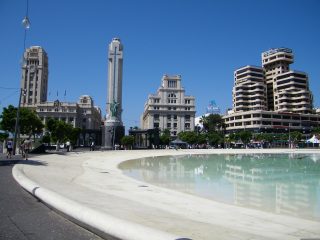
- Plaza de España: The city's main square and a natural starting point for a walking loop through central Santa Cruz.
- Mercado de Nuestra Señora de África: A lively market for local produce and snacks, great for a post-museum food stop.
- Auditorio de Tenerife Adán Martín: Santa Cruz's iconic modern landmark by the water, ideal for architecture lovers and photos.
- Parque García Sanabria: A leafy urban park for a relaxing stroll and a break from city streets.
- TEA Tenerife Espacio de las Artes: A contemporary arts center that pairs well with MUNA for a culture-heavy day.
The Museum of Nature and Archaeology appears in our Complete Guide to Visiting Santa Cruz de Tenerife!

Moira & Andy
Hey! We're Moira & Andy. From hiking the Camino to trips around Europe in Bert our campervan — we've been traveling together since retirement in 2020!
This website uses affiliate links which may earn a commission at no additional cost to you!
Planning Your Visit
Monday - Saturday: 09:00-19:00.
Sunday: 10:00-17:00.
Adults: €5; Concessions: €3.50; Under 8: free; Free entry: Friday & Saturday from 16:00 until closing.
Nearby Attractions
- Iglesia Matriz de Nuestra Señora de la Concepción (0.1) km
Church, Historic Building and Religious Building - TEA Tenerife Espacio de las Artes (0.2) km
Arts Venue, Gallery and Museum - Teatro Guimerá (0.2) km
Arts Venue, Historic Building and Theatre - Mercado Nuestra Señora de Africa (0.2) km
Market - Centro de Arte la Recova (0.2) km
Arts Venue, Gallery and Museum - Puente Serrador (0.3) km
Attraction, Bridge and Historic Site - Oficina de Turismo del Palacio de Carta (0.3) km
Historic Building, Tourist Office and Visitor Centre - Plaza de la Candelaria (0.4) km
Attraction, Monument and Square - Plaza de España (0.4) km
Area, Attraction and Square - Cabildo insular (0.4) km
Historic Building and Tourist Office