Museum of Natural Sciences, Angers
Museum in Angers
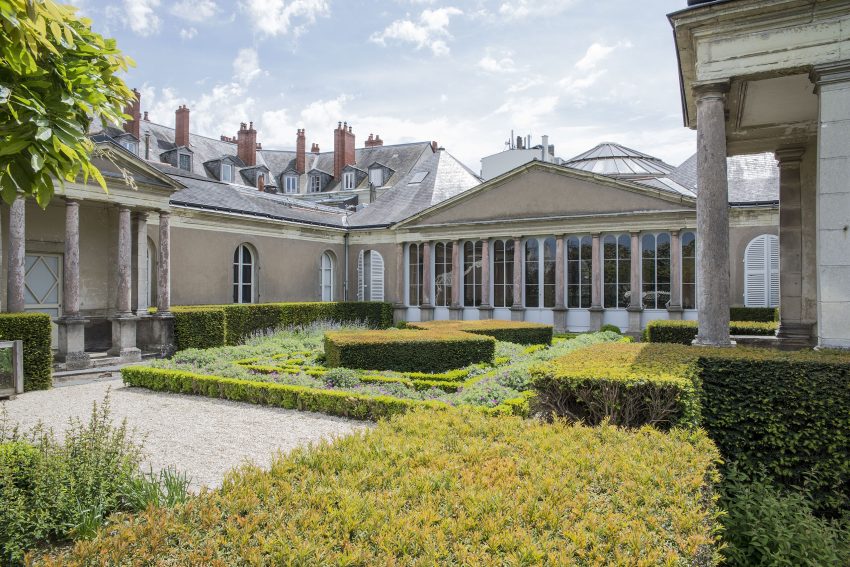
The Museum of Natural Sciences in Angers is a natural history museum on Rue Jules Guitton, close to the city centre. Known locally as the Muséum des Sciences Naturelles, it presents zoology, paleontology, geology, botany, and regional natural history through specimens, fossils, minerals, insects, birds, mammals, and preserved collections.
The museum matters because it reflects Angers’s long scientific collecting tradition as well as the natural environment of Anjou. Visitors notice the old-style display cases, taxidermy rooms, fossil material, meteorite, and the contrast between the museum buildings and the small garden linking parts of the visit. It is best for families, curious adults, and anyone who likes compact museums with a clear focus.
History and Significance
Origins after the Revolution
The museum's story began in the years after the French Revolution, when public collections and scientific teaching became part of civic life in many French cities. Angers made the museum municipal in 1805, and the collections were first housed at the Logis Barrault, now associated with the Musée des Beaux-Arts.
Buildings in the city centre
The museum now uses historic buildings in central Angers, including the Hôtel Demarie-Valentin and the former comital palace. The zoology gallery occupies the Hôtel Demarie-Valentin, while the former palace became an important site for paleontology collections in the late 19th century.
A garden between the zoology and paleontology areas helped bring the separate spaces together as one visitor route. This layout gives the museum a slightly fragmented feel, but it also makes the visit more varied than a single-room collection.
Natural collections of Anjou
The museum's collections cover living nature, extinct species, geology, fossils, minerals, and botanical material. Its wider holdings also connect with the Arboretum Gaston-Allard, where Angers conserves herbarium and plant collections linked to the city's botanical work.
Things to See and Do
The main visit starts with zoology: birds, mammals, fish, insects, and other preserved specimens displayed in traditional cases. I would treat this as a slow, room-by-room visit rather than a museum to rush through, because many of the details are in the specimens themselves rather than in large interactive displays.
The paleontology and geology rooms add fossils, stones, skeletons, and the Angers meteorite to the experience. These areas are often the most engaging for visitors who prefer deep time, minerals, and the physical evidence of the planet's history.
If you are interested in plants, pair the museum with the Arboretum Gaston-Allard on a separate stop rather than assuming it is part of the same central building visit. The arboretum extends the museum’s botanical side into a living collection, but it sits away from Rue Jules Guitton.
How to Get to the Museum of Natural Sciences
The nearest airport options are Angers Loire Airport for limited regional access and Nantes Atlantique Airport for broader flight connections, with onward travel needed to reach Angers. For the best deals and a seamless booking experience, check out these flights to Angers on Booking.com.
Angers-Saint-Laud station is the city's main rail gateway, with TGV and regional services, and the museum is about a 15-minute walk from the station or a short tram ride to the central Ralliement area. You can use SNCF Connect to check schedules, compare routes, and purchase tickets for National (SNCF ) and regional trains (TER). For a more streamlined experience, we recommend using Omio, which allows you to easily compare prices, schedules, and book tickets for both National and Regional travel across all of Europe, all in one place.
Driving into central Angers is possible, but public car parks around Ralliement or République usually make more sense than trying to park directly beside Rue Jules Guitton. If you are looking to rent a car in France I recommend having a look at Discover Cars, first, as they compare prices and review multiple car rental agencies for you.
Where to Stay Close
For this museum, the best base is the city centre around Ralliement, Rue Toussaint, and Boulevard Foch, especially if your trip is focused on Angers’s museums, castle, cathedral, shops, and restaurants.
Hotel Continental works well for a central, walkable stay close to Place du Ralliement and the main museum quarter. Hôtel d'Anjou is a practical choice if you want to stay on one of the city’s main central boulevards with easy access to restaurants and tram stops. If train convenience matters more than being on the museum’s doorstep, Hôtel de France places you opposite Angers-Saint-Laud station and still within walking distance of the historic centre.
Is the Museum of Natural Sciences Worth Visiting?
Yes, the Museum of Natural Sciences is worth a short stop if you like fossils, taxidermy, minerals, and compact city museums. It is best for families, teenagers with an interest in science, and adults who enjoy older natural history displays. Treat it as optional if you have only a few hours in Angers and want to focus on the castle or cathedral, and skip it if you need a highly interactive museum or full step-free access.
What Other Travellers Say...
The Museum of Natural Science at 43 Rue Jules Guitton occupies a stately former palace and displays dinosaur fossils alongside taxidermy of animals and birds, with sections featuring sea life, stones and skeletons; visitors note a varied collection that appeals to wildlife lovers and older children or teenagers but find the displays small, somewhat dated and in need of more interactive interpretation, while experiences with staff are mixed though reception can be helpful and practical amenities like lockers and toilets are available.





Practical Tips on Visiting the Museum of Natural Sciences
- Best time to visit: Go in the morning or late afternoon for a quieter visit. The final hour can be especially useful because admission is free for all from 5 to 6 p.m.
- How long to spend: Allow about one hour for the central museum. Add extra time only if you read every label carefully or plan a separate visit to the Arboretum Gaston-Allard.
- Accessibility: This museum is not suitable for visitors who require full step-free access. Contact the museum before visiting if stairs, uneven circulation, or mobility support are a concern.
- Facilities: Expect a ticket desk, restrooms, lockers, and a small garden area, but not a full café experience inside the museum. Nearby streets have cafés and casual food options.
FAQs for Visiting the Museum of Natural Sciences
Getting There
Tickets & Entry
Visiting Experience
Tours, Context & Itineraries
Photography
Accessibility & Facilities
Food & Breaks Nearby
Safety & Timing
The Museum of Natural Sciences appears in our Complete Guide to Visiting Angers!

Moira & Andy
Hey! We're Moira & Andy. From hiking the Camino to trips around Europe in Bert our campervan — we've been traveling together since retirement in 2020!
This website uses affiliate links which may earn a commission at no additional cost to you!
Planning Your Visit
Tuesday to Sunday • 10 AM – 6 PM
Closed May 1, Nov. 1 and 11, Dec. 25 and Jan. 1
€2
Nearby Attractions
- Jardin des Plantes (0.2) km
Gardens - Hôtel de Ville d'Angers (0.3) km
Town Hall - Pincé Museum (0.4) km
Museum - La Maison Bleue (0.5) km
Historic Building - Grand Théâtre (0.5) km
Theatre - Collégiale Saint-Martin (0.7) km
Church - Maison d’Adam (0.7) km
Historic Building - Palacio del Tau (0.7) km
Palace - Cathédrale Saint-Maurice d'Angers (0.7) km
Cathedral - Tour Saint-Aubin (0.7) km
Tower