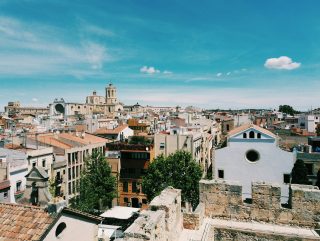
Museum of Jewish History, Girona
Museum in Girona
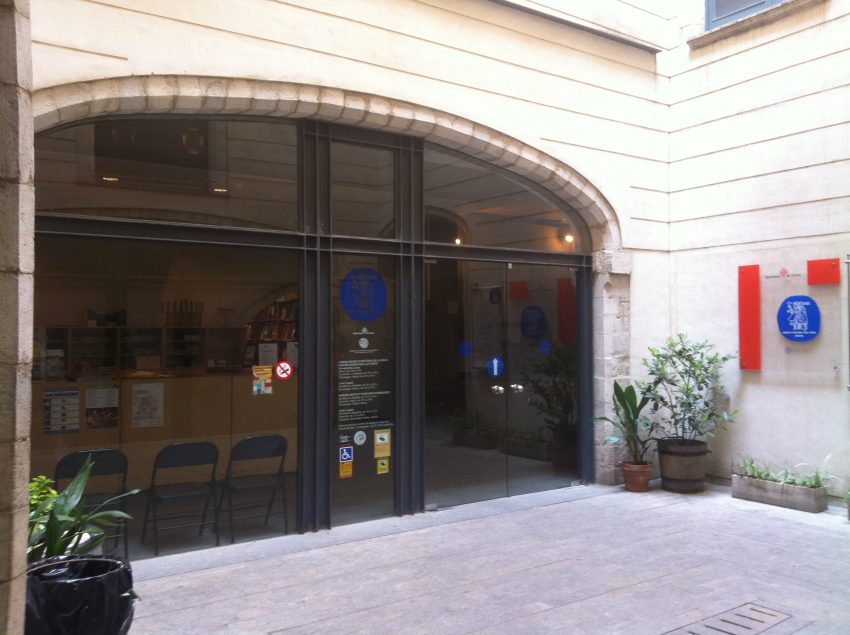
The Museum of Jewish History (Girona) is the city's essential stop for understanding the medieval Jewish quarter, known locally as the Call. Set within the same maze-like streets you will explore on foot, the museum helps turn Girona's atmosphere-narrow lanes, tight urban plots, and shadowed passages-into a clear story of community life, belief, work, and daily rhythms.
It is an easy add-on to a self-guided walking tour of Girona's Old Town because it sharpens what you notice outside. After you visit, the Call stops feeling like “pretty medieval streets” and starts reading as a place shaped by centuries of social boundaries, local governance, and the traces of a once-vital Jewish community in Catalonia.
Table of Contents
- History and Significance of the Museum of Jewish History
- Things to See and Do in the Museum of Jewish History
- How to Get to the Museum of Jewish History
- Practical Tips on Visiting the Museum of Jewish History
- Where to Stay Close to the Museum of Jewish History
- Is the Museum of Jewish History
- For Different Travelers
- FAQs for Visiting Museum of Jewish History
- Nearby Attractions to the Museum of Jewish History
History and Significance of the Museum of Jewish History
Girona's Call is among the best-preserved historic Jewish quarters in Spain, and the Museum of Jewish History (Girona) exists to explain why this matters beyond the photogenic setting. The museum focuses on Jewish communities in Catalonia, grounding broad medieval themes-identity, learning, trade, law, worship, and coexistence-in Girona-specific evidence.
What makes the museum especially significant is its ability to connect objects and interpretation to the street plan outside your door. Instead of treating the Jewish quarter as an abstract chapter of history, it shows how minority communities lived within a wider city: close enough to contribute to Girona's economy and culture, yet often separated by custom, regulation, and shifting political pressures.
Things to See and Do in the Museum of Jewish History
Start with the displays that link directly to Girona and the Call itself, because those are what will change how you experience the neighbourhood outside. Look for interpretation that explains how homes, lanes, and communal spaces worked in practice-how people moved through the quarter, where daily life happened, and what “community” meant in a dense medieval city.
Spend time with the museum’s object-based storytelling rather than rushing to “finish the rooms.” The most rewarding approach is to read a few key panels carefully, then connect them to what you see outdoors: doorways, alleys, and the logic of the street network that still preserves an older urban pattern. If you are building a short Old Town route, pairing the museum with a slow walk through the Call and a viewpoint stop afterward makes the history feel immediate rather than academic.
How to Get to the Museum of Jewish History
If you are arriving by air, the most convenient options are Girona-Costa Brava Airport for a quick transfer or Barcelona-El Prat Airport for the widest flight choice, then continue onward to Girona. For the best deals and a seamless booking experience, check out these flights to Girona on Booking.com.
From Girona railway station, it is straightforward to reach the Old Town: take a short taxi ride, a local bus, or walk in stages toward the historic centre, then continue on foot into the Call where the lanes are pedestrian-friendly. Train schedules and bookings can be found on Omio.
Local buses are useful for getting you close to the Old Town approaches, but the final stretch is best done on foot because the Call’s streets are narrow and not designed for vehicles.
Driving is practical for reaching Girona, but once you arrive it is usually better to park outside the tight Old Town lanes and walk in, especially during busy periods when access and parking are limited. If you are looking to rent a car in Spain I recommend having a look at Discover Cars, first, as they compare prices and review multiple car rental agencies for you.
Practical Tips on Visiting the Museum of Jewish History
- Entrance fee: €4 standard; €2 reduced; free entry for under 14s and selected passes/groups.
- Opening hours: (Summer) July – August: Tuesday – Saturday: 10:00–19:00; Monday, Sunday & public holidays: 10:00–14:00. (Winter) September – June: Tuesday – Saturday: 10:00–18:00; Monday, Sunday & public holidays: 10:00–14:00. Open on 24 December & 31 December: 10:00–14:00. Closed on 01 January, 06 January, 25 December & 26 December.
- Official website: www.girona.cat/call
- Best time to visit: Aim for earlier in the day if you want a quieter, more reflective visit, then follow it with a slow walk through the Call while the streets are still calm.
- How long to spend: Plan enough time to read selectively and connect the interpretation to the streets outside; it is most rewarding when you do not treat it as a quick “tick-box” museum.
- Accessibility: Expect uneven surfaces and steps in parts of the Old Town approach; if mobility is a concern, plan your route in and out carefully and take the gentlest access streets.
- Facilities: Keep expectations modest-this is a focused historic museum in the Old Town, so plan café breaks before or after in the surrounding Barri Vell area.
Where to Stay Close to the Museum of Jewish History
For a culture-heavy itinerary where you want to walk everywhere, base yourself in or right beside Girona’s Old Town; if your priority is transport links (early trains, day trips, or a car-based route), the Eixample area near the station is often the most convenient compromise.
Staying central makes the Call and the main Old Town sights feel effortless at the start and end of the day. Consider Hotel Nord 1901 for a polished, walkable base just outside the historic core, or Hotel Històric if you want to sleep inside the Barri Vell and step straight into medieval lanes each morning. If you prefer a comfortable, practical option closer to the station for easy arrivals and departures, Hotel Carlemany Girona is a strong fit while still being within reach of the Old Town on foot.
Is the Museum of Jewish History (Girona) Worth Visiting?
Yes-especially if you are walking the Call anyway. The museum turns a visually striking neighbourhood into something you actually understand, and that context tends to linger long after you leave Girona.
The honest pivot: if you are not interested in history, do not enjoy reading exhibits, or you are rushing through Girona for viewpoints and photos only, you may prefer to skip the interior visit and simply walk the Call with a short self-guided route instead.
What Other Travellers Say...

Reviewers describe a small but exceptionally well-presented museum that offers an engaging, informative look at local Jewish history, with highlights including a film and strong interpretive materials (often available in multiple languages) plus helpful staff. Many recommend allowing about 45–90 minutes and note the location is excellent, with the surrounding old streets and a pleasant souvenir shop adding to the visit. A minor drawback mentioned is that some temporary exhibition content may have limited English information.


For Different Travelers
Families with Kids
This can work well for families if you keep it focused and purposeful rather than trying to read everything. Pick a few standout objects, use them to tell a short story, and then “hunt” for details outside in the Call that connect to what you just learned.
If your kids have limited patience for museums, treat it as a brief context stop inside a wider Old Town loop. A good strategy is to visit earlier, then reward the effort with a relaxed snack break in the nearby squares and streets where there is more movement and energy.
Couples & Romantic Getaways
For couples, the museum adds depth to one of Girona’s most atmospheric parts of town and can make an Old Town walk feel more meaningful. It pairs particularly well with a slow, unhurried stroll through the Call afterward, when the lanes are quieter and the light is softer.
If you are planning a romantic day, place this visit before a longer wander to viewpoints and scenic streets. The museum gives you shared “story anchors” you will keep referencing as you explore the surrounding lanes.
Budget Travelers
This is a high-value stop for travelers who want substance without expensive tours, because it provides context you can reuse all day as you walk. You will get more out of the Call, nearby historic streets, and other medieval corners once you understand what shaped them.
If you are optimizing time and money, combine the museum with a compact Old Town route rather than bouncing across town. You will avoid transport costs and get a more coherent experience from a single neighbourhood.
History Buffs
If you care about medieval urban history, minority communities, or Catalonia’s layered past, this is one of Girona’s most rewarding indoor visits. It provides a structured narrative that helps you interpret architecture, street form, and place memory rather than relying on vibes alone.
To deepen the experience, visit with a note-taking mindset: identify the key themes the museum highlights, then walk back into the Call and actively look for how those themes appear in the physical city. This “museum first, streets second” sequencing is where the visit becomes exceptional.
FAQs for Visiting Museum of Jewish History (Girona)
Getting There
Tickets & Entry
Visiting Experience
Tours, Context & Itineraries
Photography
Accessibility & Facilities
Food & Breaks Nearby
Safety & Timing
Nearby Attractions to the Museum of Jewish History
- Girona Cathedral: A dramatic hilltop cathedral whose stairway and views make it one of the Old Town's defining stops.
- Arab Baths: A compact Romanesque bathhouse-style site that adds another layer to Girona's medieval heritage.
- Sant Feliu Church: A landmark basilica with a striking profile and a key role in Girona's religious history.
- Onyar River Houses & Bridges: The classic postcard perspective of Girona, best enjoyed as part of a short river-to-Old-Town loop.
- Passeig de la Muralla (City Walls): A scenic walk along Girona's walls that rewards you with viewpoints over rooftops and the surrounding landscape.
The Museum of Jewish History appears in our Complete Guide to Visiting Girona!

Moira & Andy
Hey! We're Moira & Andy. From hiking the Camino to trips around Europe in Bert our campervan — we've been traveling together since retirement in 2020!
This website uses affiliate links which may earn a commission at no additional cost to you!
Planning Your Visit
(Summer) July - August: Tuesday - Saturday: 10:00-19:00; Monday, Sunday & public holidays: 10:00-14:00.
(Winter) September - June: Tuesday - Saturday: 10:00-18:00; Monday, Sunday & public holidays: 10:00-14:00.
Open on 24 December & 31 December: 10:00-14:00. Closed on 01 January, 06 January, 25 December & 26 December.
€4 standard; €2 reduced; free entry for under 14s and selected passes/groups.
Nearby Attractions
- Fundació Rafael Masó / Casa Masó (0.0) km
Historic Building, Historic Site and Museum - Onyar River Colored Houses (0.1) km
Attraction, Historic Site and Walk - Museu d'Història de Girona (0.1) km
Historic Building, Historic Site and Museum - Pont d'en Gómez o de la Princesa (0.1) km
Attraction, Bridge and Viewing Point - Monument als defensors de Girona el 1808 i 1809 (0.1) km
Memorial, Monument and Square - Plaça de la Independència (0.1) km
Area, Attraction and Square - Museu d'Art de Girona (0.1) km
Arts Venue, Gallery and Museum - Mercat del Lleó (0.1) km
Market - Casa Pastors (0.2) km
Arts Venue, Gallery and Historic Building - Girona Cathedral (0.2) km
Cathedral and Historic Building