Museo Sartorio, Trieste
Historic Building, Historic Room and Museum in Trieste
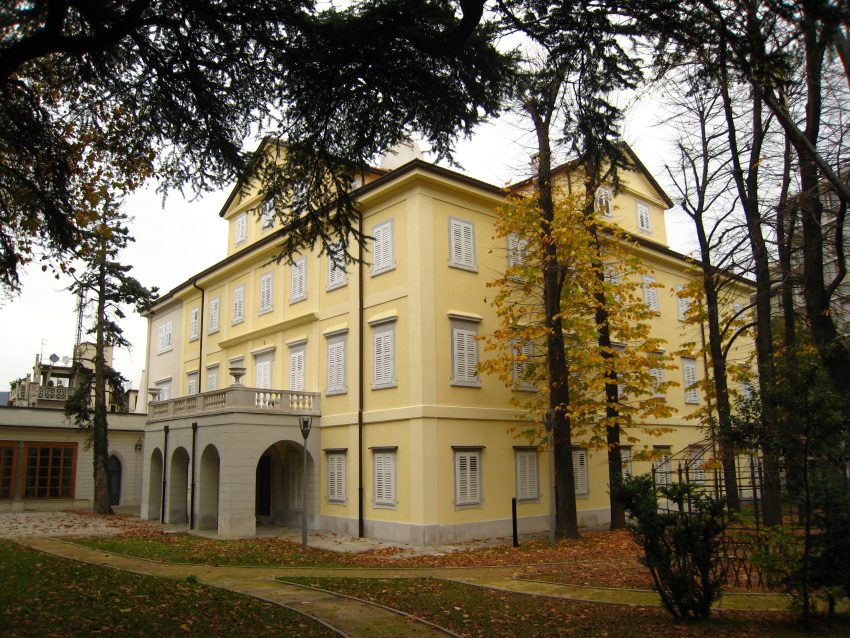
Museo Sartorio is one of Trieste's most charming small museums: a historic villa turned house museum where fine art, decorative objects, and lived-in period rooms come together in a quietly elegant setting. Set close to the waterfront, it's the kind of place that feels less like a formal gallery and more like stepping into a well-preserved home filled with stories.
It's an easy add-on to a walking tour of central Trieste, especially if you're already exploring the seafront, the elegant streets around Piazza Unità d'Italia, or building a day of “best of Trieste” museums. Come for the paintings and furnishings, stay for the atmosphere and the garden that makes the visit feel unhurried.
Table of Contents
- History and Significance of the Museo Sartorio
- Things to See and Do in the Museo Sartorio
- How to Get to the Museo Sartorio
- Practical Tips on Visiting the Museo Sartorio
- Where to Stay Close to the Museo Sartorio
- Is the Museo Sartorio Worth Visiting?
- For Different Travelers
- FAQs for Visiting Museo Sartorio
- Nearby Attractions to the Museo Sartorio
History and Significance of the Museo Sartorio
Museo Sartorio is a classic example of Trieste's layered cultural identity: a port city shaped by Italian, Central European, and Adriatic influences, expressed here through a refined domestic collection. Rather than presenting art in a neutral white-box setting, the museum preserves the feel of a private residence, which helps you understand how wealth, taste, and collecting worked in the city's past.
The building itself is part of the appeal. As a historic villa, it frames the collection with original architectural details and a sense of continuity from room to room, making the visit as much about interiors and atmosphere as it is about individual artworks.
Today, the museum stands out in Trieste for offering an intimate, low-stress cultural stop: a place to slow down, look closely, and appreciate the city's heritage through objects that were meant to be lived with, not just displayed.
Things to See and Do in the Museo Sartorio
Start by taking in the period rooms and furnishings, which are often what visitors remember most: the sense of moving through a real home, with decorative arts and carefully arranged interiors that feel cohesive rather than crowded. The museum’s multi-floor layout makes it satisfying to explore at a relaxed pace, with each level offering a slightly different mood.
Art lovers should focus on the painting collection, which many visitors consider a highlight of the museum. Even if you’re not planning a full museum day, the quality of the works and the calm viewing conditions make it rewarding, especially compared with busier attractions.
Don't skip the garden. It's small but genuinely pleasant, and it's ideal for a short break between rooms or as a quiet reset before continuing your Trieste walk toward the waterfront, nearby cafés, or your next museum stop.
How to Get to the Museo Sartorio
The nearest major airports are Trieste Airport (TRS) for the quickest arrival, with Venice Marco Polo (VCE) as a common alternative if you're combining Trieste with a wider northern Italy itinerary. For the best deals and a seamless booking experience, check out these flights to Trieste on Booking.com.
Trieste is well connected by rail, and arriving at Trieste Centrale makes it straightforward to continue by local bus, taxi, or a walk depending on your route and luggage. Use Omnio to easily compare schedules, book train tickets, and find the best prices all in one place for a hassle-free journey across Italy.
If you’re traveling by car, plan for city driving and limited central parking, then finish the last stretch on foot for the easiest arrival. If you are looking to rent a car in Italy I recommend having a look at Discover Cars, first, as they compare prices and review multiple car rental agencies for you.
Practical Tips on Visiting the Museo Sartorio
- Official website: https://museosartoriotrieste.it/
- Entrance fee: Free.
- Opening hours: Wednesday – Sunday: 10:00–17:00. Closed on Monday, Tuesday.
- Best time to visit: Go earlier in the day for the quietest rooms, or choose a weekday if you want the most relaxed, house-museum feel.
- How long to spend: Plan for 60–90 minutes for a comfortable visit, or up to 2 hours if you like to read labels and linger in the period rooms.
- Accessibility: Expect stairs across multiple floors in a historic building; if step-free access is important, confirm arrangements before you go.
- Facilities: Treat this as a focused museum visit rather than a full-service complex; bring water and plan your coffee or meal stop at a nearby café.
Where to Stay Close to the Museo Sartorio
The best area to base yourself is central Trieste near the waterfront and Piazza Unità d'Italia.
Staying central makes Museo Sartorio easy to reach on foot and keeps you close to Trieste's best evening strolls, cafés, and transport links. For a classic, upscale stay with a strong sense of place, consider a landmark hotel that matches Trieste's grand Habsburg-era mood.
Savoia Excelsior Palace Trieste Hotel Continentale DoubleTree by Hilton Trieste NH Trieste Urban Hotel Design
Savoia Excelsior Palace Trieste is special for its waterfront setting and old-world elegance that fits Trieste perfectly. Hotel Continentale is a strong pick for a central, comfortable base near shopping streets and cafés. DoubleTree by Hilton Trieste stands out for its stylish conversion of a historic building and an easy-to-walk location. NH Trieste is practical if you want quick access to the station while still being close to the center. Urban Hotel Design is ideal for travelers who prefer a smaller, design-forward stay with a boutique feel.
Is the Museo Sartorio Worth Visiting?
Yes, Museo Sartorio is worth visiting if you enjoy smaller museums with atmosphere: it's calm, characterful, and rewarding even for travelers who don't usually pack their itinerary with galleries. The combination of art, historic rooms, and a garden makes it feel like a complete experience rather than a quick “checklist” stop.
Honest Pivot: If you're short on time and only want blockbuster sights, or if you prefer highly interactive museums with lots of multimedia, you might find Museo Sartorio too quiet and traditional. In that case, prioritize Trieste's big panoramic viewpoints and one larger museum, then return here only if you have a spare hour.
What Other Travellers Say...

Google reviewers are overwhelmingly positive, describing Museo Sartorio as a beautiful, atmospheric house museum in a historic mansion with a pleasant garden. Visitors frequently praise the restored paintings, the quality of the art collection (including notable works), and the elegant period furniture and rooms across multiple floors; several also mention friendly staff and that it's easy to spend around 1–2 hours here. Common downsides are minor and tend to be practical rather than critical, such as the museum being relatively small/quiet compared with bigger attractions and the multi-level layout that may involve stairs for some visitors.


For Different Travelers
Museo Sartorio works best as a gentle cultural pause in a day of walking, coffee stops, and waterfront views. Because it's intimate and not overwhelming, it's easy to tailor the visit to your pace and interests.
Families with Kids
Families who enjoy “exploring a real house” will find this more engaging than a standard gallery, especially if you turn it into a scavenger hunt for furniture details, portraits, and decorative objects. The garden is a helpful bonus for a quick reset.
That said, very young kids who need hands-on exhibits may lose interest in the quieter rooms. Pair the visit with a nearby snack stop and keep the museum portion short and upbeat.
Couples & Romantic Getaways
For couples, the appeal is the mood: elegant rooms, soft light, and a slower rhythm than Trieste’s busier attractions. It’s a lovely stop before or after a waterfront walk.
If you're planning a romantic day, use Museo Sartorio as the “calm middle” between viewpoints, aperitivo, and dinner. The garden adds a small but memorable touch.
Budget Travelers
Budget travelers will appreciate that this is a high-quality cultural visit that doesn’t require a big-ticket purchase. It’s also walkable from many central neighborhoods, helping you save on transport.
To keep costs down, build a DIY museum-and-walk day: start with a coffee, visit Museo Sartorio, then continue on foot to major squares and viewpoints rather than paying for multiple paid attractions.
History Buffs
History buffs will enjoy how the museum communicates social history through interiors and objects, not just through labels. It's a direct window into how a certain slice of Trieste once lived, hosted, and collected.
To deepen the context, connect the visit with a broader Trieste itinerary that includes the city's Austro-Hungarian-era architecture and other civic museums, so the house museum becomes part of a bigger story.
FAQs for Visiting Museo Sartorio
Getting There
Tickets & Entry
Visiting Experience
Tours, Context & Itineraries
Photography
Accessibility & Facilities
Food & Breaks Nearby
Safety & Timing
Nearby Attractions to the Museo Sartorio
- Piazza Unità d’Italia: Trieste’s grand main square facing the sea, perfect for photos and people-watching.
- Canal Grande di Trieste: A scenic canal area lined with cafés and elegant buildings, great for an easy stroll.
- Teatro Romano di Trieste: Compact Roman ruins tucked into the city fabric, offering a quick history hit.
- Castello di San Giusto: The city's hilltop castle complex with sweeping views and layered history.
- Museo Revoltella: A major modern art museum in Trieste, ideal if you want a larger museum after Sartorio.
The Museo Sartorio appears in our Complete Guide to Visiting Trieste!

Moira & Andy
Hey! We're Moira & Andy. From hiking the Camino to trips around Europe in Bert our campervan — we've been traveling together since retirement in 2020!
This website uses affiliate links which may earn a commission at no additional cost to you!
Planning Your Visit
Wednesday - Sunday: 10:00-17:00.
Closed on Monday, Tuesday.
Free.
Nearby Attractions
- Museo Revoltella (0.1) km
Arts Venue, Gallery and Museum - Civico Acquario Marino di Trieste (0.2) km
Aquarium and Attraction - Arco di Riccardo (0.5) km
City Gate, Monument and Roman Site - Civico Museo d'Arte Orientale (0.5) km
Attraction and Museum - Palazzo del Lloyd Triestino (0.5) km
Attraction, Historic Building and Palace - Palazzo del Municipio (0.6) km
Historic Building, Square and Town Hall - Fontana dei Quattro Continenti (0.6) km
Fountain, Sculpture and Square - Civic Museum of Antiquities "J.J. Winkelman" (0.6) km
Gardens, Historic Site and Museum - Palazzo della Luogotenenza Austriaca (0.6) km
Historic Building, Palace and Square - Antiquarium di via del Seminario (0.6) km
Attraction, Historic Site and Roman Site