Museo Naval, Las Palmas de Gran Canaria
Historic Building, Historic Site and Museum in Las Palmas de Gran Canaria
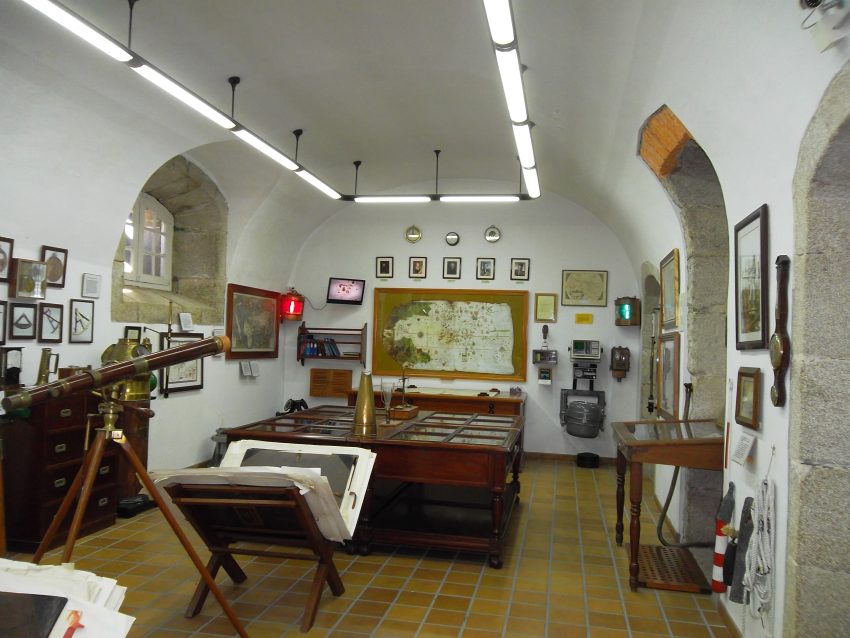
Museo Naval in Las Palmas de Gran Canaria is a compact maritime museum focused on the Spanish Navy's presence in the Canary Islands, with displays that appeal to anyone curious about ships, seafaring, and local coastal history.
It’s an easy, low-commitment stop that works especially well on a port day or as a quick cultural break between walks around the city’s waterfront areas.
Table of Contents
- History and Significance of the Museo Naval
- Things to See and Do in the Museo Naval
- How to Get to the Museo Naval
- Practical Tips on Visiting the Museo Naval
- Where to Stay Close to the Museo Naval
- Is the Museo Naval Worth Visiting?
- For Different Travelers
- FAQs for Visiting Museo Naval
- Nearby Attractions to the Museo Naval
History and Significance of the Museo Naval
Museo Naval helps tell the story of how the Canary Islands fit into Atlantic navigation, defense, and trade routes. Even in a small footprint, it connects local geography to broader maritime history, making it a useful “context stop” before exploring the port and coastal neighborhoods.
The museum’s exhibits highlight naval life and technology across different periods, including more modern-era material that gives a grounded sense of how maritime security and equipment evolved. For visitors, the significance is less about grand galleries and more about the focused, place-specific narrative.
Things to See and Do in the Museo Naval
Expect a collection that rewards close looking: detailed ship models, naval equipment, and objects that illustrate how vessels were built, armed, and operated. Many visitors find the models to be the standout, especially if you enjoy craftsmanship and technical detail.
Look out for sections that touch on 20th-century history, including wartime-era items, which add variety beyond the classic “ships and maps” museum formula. Because it’s small, you can take your time reading what’s available, then do a second pass to revisit the most interesting cases.
If you don’t speak Spanish, ask staff about any available audio or visitor aids; some travelers report helpful support for non-Spanish speakers, even when not every label is translated.
How to Get to the Museo Naval
The nearest airport is Gran Canaria Airport (LPA), with frequent connections to mainland Spain and other European cities; from the airport you can continue into Las Palmas de Gran Canaria by bus, taxi, or rental car. For the best deals and a seamless booking experience, check out these flights to Las Palmas de Gran Canaria on Booking.com.
Gran Canaria does not have intercity passenger rail, so you can't reach Las Palmas de Gran Canaria by train; instead, use intercity buses (guaguas) or flights/ferries between islands. Train schedules and bookings can be found on Omio.
Driving is straightforward within Las Palmas, but allow extra time for city traffic and parking near busy waterfront areas; if you rent a car, consider parking once and walking to nearby sights. If you are looking to rent a car in Spain I recommend having a look at Discover Cars, first, as they compare prices and review multiple car rental agencies for you.
Practical Tips on Visiting the Museo Naval
- Entrance fee: Free, €3 voluntary donation
- Opening hours: Monday: 9:00 AM – 1:00 PM Tuesday: 9:00 AM – 1:00 PM Wednesday: 9:00 AM – 1:00 PM Thursday: 9:00 AM – 1:00 PM Friday: 9:00 AM – 1:00 PM Saturday: Closed Sunday: Closed
- Official website: https://www.fundacionmuseonaval.com/museonavalcanarias.html
- Best time to visit: Go in the morning for a quieter visit and to avoid any last-minute early closures.
- How long to spend: Plan 30-60 minutes for a relaxed circuit; enthusiasts could easily spend longer on the ship models and equipment.
- Accessibility: Expect a small, indoor museum experience; if you have mobility needs, it’s worth confirming step-free access at the entrance on arrival.
- Facilities: Facilities are limited compared with larger museums, so plan café and restroom stops before or after in the surrounding area.
Where to Stay Close to the Museo Naval
Base yourself in central Las Palmas (Triana/Vegueta or near the main transport corridors) for the easiest mix of sightseeing, dining, and getting around without a car.
AC Hotel Gran Canaria by Marriott A reliable, business-comfort option near the waterfront with easy access to port-side walks and quick taxi links across the city.
Hotel Cristina by Tigotan Las Palmas Chosen for its beachside setting and full-service feel, ideal if you want museum time plus an easy swim-and-stroll routine.
Boutique Hotel Cordial La Peregrina A stylish, smaller hotel in the historic-center orbit, great for pairing the museum with Triana/Vegueta architecture and food.
Sercotel Hotel Parque Practical and well-located for transport connections, useful if you’re fitting the museum into a tight schedule or onward travel day.
Santa Catalina, a Royal Hideaway Hotel A splurge pick with classic character and gardens nearby, best if you want a more resort-like base while still staying in the city.
Is the Museo Naval Worth Visiting?
Yes, especially if you like maritime history or want a quick, meaningful museum stop that doesn’t demand a big time budget. The combination of a focused collection, welcoming staff, and a low-friction visit makes it an easy add-on to a day exploring Las Palmas.
Honest Pivot: if you prefer large, highly interactive museums or you rely heavily on extensive English labeling for deep reading, you may find the experience a bit limited. It’s best approached as a compact, artifact-and-model visit rather than a multimedia-heavy attraction.
What Other Travellers Say...

Google reviewers rate Museo Naval very positively overall (4.4/5 from about 160 reviews). Visitors commonly praise the free entry, friendly and helpful staff, and the engaging collection of ship models, naval equipment, and Canary Islands maritime history; some also mention useful audio support for non-Spanish speakers. The main drawback noted is limited English explanation on labels, which can make deeper self-guided learning harder for international visitors.


For Different Travelers
Museo Naval is a flexible stop: short enough for casual visitors, but detailed enough to reward anyone who enjoys ships, maps, and military or coastal history.
Families with Kids
Kids who like vehicles and “how things work” often enjoy the ship models and equipment displays. Because the museum is small, it’s easier to keep attention spans engaged than in a sprawling institution.
To make it smoother, treat it as a quick visit followed by an outdoor break nearby. A simple scavenger-hunt approach (find the biggest ship model, oldest-looking object, etc.) can keep younger children interested.
Couples & Romantic Getaways
As a couple, this works well as a short cultural stop between café time and a waterfront walk. It’s calm, indoors, and easy to fit into a relaxed day without feeling like you’ve committed to a major itinerary.
If one person is more interested than the other, the small size is a plus: the enthusiast gets a satisfying look, and the other person isn’t stuck for hours. Pair it with a scenic stroll afterward to balance “museum time” with “holiday time.”
Budget Travelers
Free entry (with optional donation) makes Museo Naval a strong value, especially on days when you want something indoors without spending much. It's also a good way to add depth to a self-guided walking day.
Combine it with other no- or low-cost sights nearby and use public buses to keep the day inexpensive. If you’re watching spending, it’s the kind of museum that still feels worthwhile even as a short stop.
History Buffs
If you’re interested in the Canary Islands’ strategic Atlantic position, the museum provides a compact lens on defense, navigation, and maritime infrastructure. The artifacts and equipment give a tangible sense of naval life beyond general timelines.
It’s not a massive archive-style museum, but it’s strong on specificity: ship models and military-era items can add real texture to your understanding of the islands’ role in wider maritime history.
FAQs for Visiting Museo Naval
Getting There
Tickets & Entry
Visiting Experience
Tours, Context & Itineraries
Photography
Accessibility & Facilities
Food & Breaks Nearby
Safety & Timing
Nearby Attractions to the Museo Naval
- Vegueta (Old Town): Historic streets and plazas with some of the city’s most atmospheric architecture.
- Catedral de Santa Ana: A landmark cathedral with an impressive interior and a classic Old Town setting.
- Casa de Colón: A well-known museum focused on Atlantic history and Columbus-era connections.
- Parque de Santa Catalina: A lively urban park area that often serves as a hub for events and people-watching.
- Playa de Las Canteras: The city's signature beach promenade, great for swimming, sunsets, and casual dining.
The Museo Naval appears in our Complete Guide to Visiting Las Palmas de Gran Canaria!

Moira & Andy
Hey! We're Moira & Andy. From hiking the Camino to trips around Europe in Bert our campervan — we've been traveling together since retirement in 2020!
This website uses affiliate links which may earn a commission at no additional cost to you!
Planning Your Visit
Monday: 9:00 AM - 1:00 PM
Tuesday: 9:00 AM - 1:00 PM
Wednesday: 9:00 AM - 1:00 PM
Thursday: 9:00 AM - 1:00 PM
Friday: 9:00 AM - 1:00 PM
Saturday: Closed
Sunday: Closed
Free, €3 voluntary donation
Nearby Attractions
- Mercado Central de Las Palmas (0.5) km
Attraction, Bazaar and Market - Parque de Santa Catalina (0.7) km
Attraction, Park and Square - Elder Museum of Science and Technology (0.7) km
Activity, Attraction and Museum - Las Canteras Beach (1.0) km
Beach, Promenade and Walk - Poema del Mar Aquarium (1.0) km
Aquarium and Attraction - Mercado del Puerto (1.4) km
Attraction, Bazaar and Market - Museo Néstor (1.6) km
Arts Venue, Gallery and Museum - Castillo de la Luz (1.6) km
Castle, Museum and Sculpture - Alfredo Kraus Auditorium (2.0) km
Arts Venue, Notable Building and Theatre - El Obelisco (2.6) km
Memorial, Monument and Square