Museo Ferroviario di Trieste Campo Marzio
Museum, Railway and Train Station in Trieste
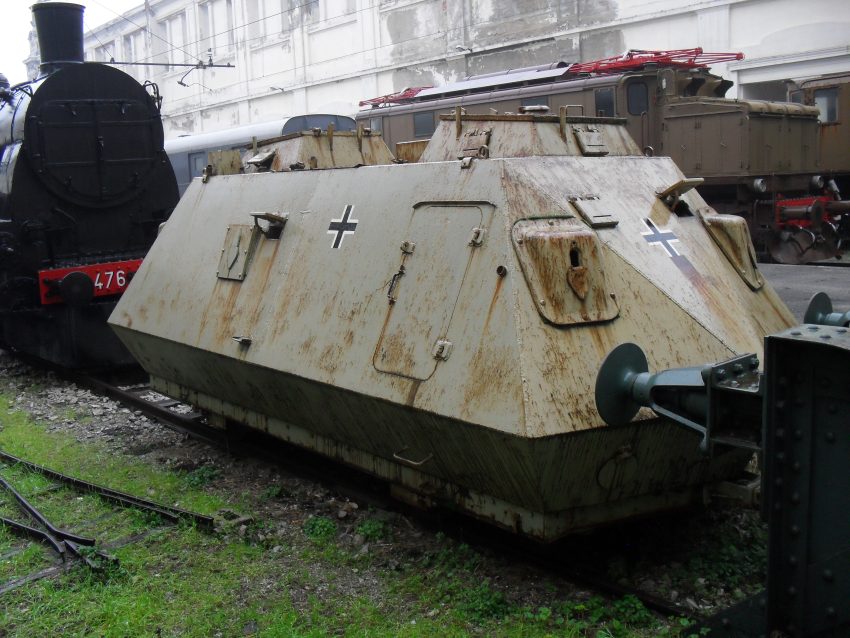
Museo Ferroviario di Trieste Campo Marzio sits inside Trieste's atmospheric former Campo Marzio station, a handsome, old-world building that still feels like a portal to the age of steam. Even from the outside, the site reads as a piece of living infrastructure: platforms, tracks, and the scale of the station architecture make it easy to imagine departures toward Central Europe.
It's a natural stop on a walking tour that links the waterfront, the old port areas, and the historic center, especially if you like industrial heritage and big, cinematic spaces. The best views are often along the perimeter and around the platforms, where you can appreciate the locomotives and the station's monumental proportions.
Table of Contents
- History and Significance of the Museo Ferroviario di Trieste Campo Marzio
- Things to See and Do in the Museo Ferroviario di Trieste Campo Marzio
- How to Get to the Museo Ferroviario di Trieste Campo Marzio
- Practical Tips on Visiting the Museo Ferroviario di Trieste Campo Marzio
- Where to Stay Close to the Museo Ferroviario di Trieste Campo Marzio
- Is the Museo Ferroviario di Trieste Campo Marzio Worth Visiting?
- For Different Travelers
- FAQs for Visiting Museo Ferroviario di Trieste Campo Marzio
- Nearby Attractions to the Museo Ferroviario di Trieste Campo Marzio
History and Significance of the Museo Ferroviario di Trieste Campo Marzio
Trieste has long been a crossroads city, and railways were a major part of how the port connected to the wider region. Campo Marzio's station building is significant in its own right: it reflects the era when Trieste's transport links were designed to serve a busy, international hub.
The museum's collections focus on the story of rail and tram transport in and around Trieste, pairing the romance of historic rolling stock with the practical reality of how railways shaped everyday life. The setting matters here: exhibits feel more authentic when they're housed in a real station rather than a modern gallery.
In recent years, visitors have also associated Campo Marzio with a broader restoration narrative. The station and museum have been tied to ongoing redevelopment plans, which helps explain why access can be limited at times and why checking the latest opening status before you go is especially important.
Things to See and Do in the Museo Ferroviario di Trieste Campo Marzio
The headline experience is the rolling stock on the platforms: a lineup that can include steam, diesel, and electric locomotives, plus historic carriages. For rail fans, it’s the kind of place where you’ll want to slow down, look closely at the engineering details, and imagine the routes these machines once ran.
Indoors, expect a more eclectic, workshop-like museum feel rather than a sleek, modern exhibition. Travelers often mention model railways and smaller technical artifacts such as switches, signage, and railway memorabilia that add context to what you see outside.
If you're visiting as part of a broader Trieste itinerary, pair this stop with a waterfront walk and a coffee break in the center. Even a short look can be worthwhile if you're already nearby and want a different side of the city beyond the grand squares and seaside promenades.
How to Get to the Museo Ferroviario di Trieste Campo Marzio
The nearest airports are Trieste Airport (Friuli Venezia Giulia), Venice Marco Polo Airport, and Ljubljana Jože Pučnik Airport, all of which can work depending on flight prices and connections. For the best deals and a seamless booking experience, check out these flights to Trieste on Booking.com.
Trieste is well connected by rail, and arriving at Trieste Centrale makes it easy to continue by local transport or on foot toward the Campo Marzio area. Use Omnio to easily compare schedules, book train tickets, and find the best prices all in one place for a hassle-free journey across Italy.
If you're driving, Trieste is reachable via the regional motorway network, but parking can be limited near central neighborhoods, so it's often easiest to park once and continue on foot or by bus. If you are looking to rent a car in Italy I recommend having a look at Discover Cars, first, as they compare prices and review multiple car rental agencies for you.
Practical Tips on Visiting the Museo Ferroviario di Trieste Campo Marzio
- Official website: http://www.museoferroviariotrieste.it/
- Entrance fee: Adults: €5; Reduced: €3.
- Opening hours: Monday: Closed. Tuesday: Closed. Wednesday: 09:00–13:00. Thursday: Closed. Friday: Closed. Saturday: 09:00–13:00. Sunday: 09:00–13:00.
- Best time to visit: Aim for a clear morning if you want better light on the outdoor trains and fewer crowds. If the site is undergoing works, mornings also give you more flexibility to pivot to nearby sights.
- How long to spend: Plan 45–90 minutes for a quick visit, or up to 2 hours if you like reading details and photographing rolling stock.
- Accessibility: Expect uneven surfaces typical of historic stations and platform areas; step-free access may be limited depending on which areas are open.
- Facilities: Facilities can be basic compared with larger national museums; plan for restrooms and refreshments elsewhere in the city if you want guaranteed options.
Where to Stay Close to the Museo Ferroviario di Trieste Campo Marzio
For most visitors, the best area to base yourself is central Trieste near Piazza Unità d'Italia and the waterfront.
Staying in the center keeps you close to Trieste’s classic coffeehouses, evening strolls along the sea, and the city’s main transport links, while still making it easy to reach Campo Marzio by a short walk, bus, or taxi. Here are five solid options that fit different travel styles and budgets.
Savoia Excelsior Palace Trieste Chosen for its iconic waterfront location and polished, classic Trieste atmosphere that suits a special trip.
DoubleTree by Hilton Trieste A reliable full-service option with a central base that makes it easy to combine museums, dining, and transport.
Urban Hotel Design Included for travelers who want a boutique feel and a walkable location near the heart of the city.
Hotel Continentale A comfortable, traditional choice close to shopping streets and classic cafés, great for first-time visitors.
NH Trieste Picked for convenience near Trieste Centrale, ideal if you're arriving by train or planning day trips.
Is the Museo Ferroviario di Trieste Campo Marzio Worth Visiting?
Yes, if you enjoy transport history, industrial architecture, or photographing big mechanical subjects in a dramatic setting. The combination of a landmark station building and outdoor locomotives makes it feel uniquely Triestine, and it’s a refreshing counterpoint to the city’s more polished, Habsburg-era grandeur.
Honest Pivot: if you’re short on time, traveling with someone who isn’t interested in trains, or you need guaranteed opening hours and fully curated exhibitions, you may want to skip it and focus on Trieste’s waterfront, main squares, and hilltop viewpoints instead. This is a place where the experience can depend heavily on what areas are accessible on the day.
What Other Travellers Say...

Reviews are mixed but generally positive for rail enthusiasts, with visitors praising the unique setting inside an old station, the outdoor lineup of steam/diesel/electric locomotives, and detailed model railways. Common downsides are the worn condition of some exhibits and repeated reports of closures or renovation-related access issues, so travelers recommend checking opening status before making a special trip.


For Different Travelers
Museo Ferroviario di Trieste Campo Marzio can fit into many itineraries, but it shines most for travelers who like niche museums and places with a slightly raw, behind-the-scenes feel. Think of it as a characterful stop rather than a perfectly polished attraction.
Families with Kids
Kids who love vehicles and big machines will likely be excited by the outdoor trains and the sheer scale of the station setting. It’s an easy win if you frame it as a “spot the different locomotives” challenge.
That said, plan expectations: some areas may feel more like a working collection than an interactive children’s museum. Bring snacks and be ready to pivot to a nearby playground or gelato stop afterward.
Couples & Romantic Getaways
For couples, the appeal is the atmosphere: a grand old station, cinematic angles, and a different side of Trieste that feels off the usual romantic checklist. It can be a fun, quirky shared stop between seaside walks and aperitivo.
If you’re planning a classic romance-focused day, keep this as an optional add-on rather than the centerpiece. Pair it with sunset on the waterfront for a more traditionally romantic finish.
Budget Travelers
This can be a strong value stop if you're looking for something distinctive that doesn't require a full day. It also pairs well with free or low-cost Trieste highlights like long walks along the sea and exploring the historic center on foot.
Budget travelers should be especially mindful of opening uncertainty: have a backup plan nearby so you don’t waste transit time. A flexible, walk-heavy itinerary works best here.
History Buffs
History buffs will appreciate how the museum connects Trieste’s identity as a port city to the infrastructure that powered trade, migration, and daily life. The station itself is part of the story, not just the container for exhibits.
To get more out of the visit, read a bit about Trieste’s Austro-Hungarian era and the city’s shifting borders before you go. The objects make more sense when you view them as evidence of a complex, multi-layered region.
FAQs for Visiting Museo Ferroviario di Trieste Campo Marzio
Getting There
Tickets & Entry
Visiting Experience
Tours, Context & Itineraries
Photography
Accessibility & Facilities
Food & Breaks Nearby
Safety & Timing
Nearby Attractions to the Museo Ferroviario di Trieste Campo Marzio
- Piazza Unità d’Italia: Trieste’s grand main square opening directly to the sea, perfect for photos and people-watching.
- Canal Grande di Trieste: A scenic canal area lined with cafés and elegant buildings, great for a relaxed stroll.
- Molo Audace: A long pier that offers classic waterfront views and a breezy walk out into the Gulf of Trieste.
- Civico Museo Revoltella: A respected modern art museum with a strong collection and a refined, central setting.
- Castello di San Giusto: A hilltop castle complex with panoramic views and a deep dive into Trieste's layered history.
The Museo Ferroviario di Trieste Campo Marzio appears in our Complete Guide to Visiting Trieste!

Moira & Andy
Hey! We're Moira & Andy. From hiking the Camino to trips around Europe in Bert our campervan — we've been traveling together since retirement in 2020!
This website uses affiliate links which may earn a commission at no additional cost to you!
Planning Your Visit
Monday: Closed.
Tuesday: Closed.
Wednesday: 09:00-13:00.
Thursday: Closed.
Friday: Closed.
Saturday: 09:00-13:00.
Sunday: 09:00-13:00.
Adults: €5; Reduced: €3.
Nearby Attractions
- Museo Revoltella (0.6) km
Arts Venue, Gallery and Museum - Civico Acquario Marino di Trieste (0.6) km
Aquarium and Attraction - Museo Sartorio (0.6) km
Historic Building, Historic Room and Museum - Civico Museo d'Arte Orientale (1.0) km
Attraction and Museum - Palazzo del Lloyd Triestino (1.0) km
Attraction, Historic Building and Palace - Arco di Riccardo (1.1) km
City Gate, Monument and Roman Site - Fontana dei Quattro Continenti (1.1) km
Fountain, Sculpture and Square - Palazzo della Luogotenenza Austriaca (1.1) km
Historic Building, Palace and Square - Palazzo del Municipio (1.1) km
Historic Building, Square and Town Hall - Molo Audace (1.1) km
Pier, Viewing Point and Walk