Museo Canario, Las Palmas de Gran Canaria
Historic Building, Historic Site and Museum in Las Palmas de Gran Canaria
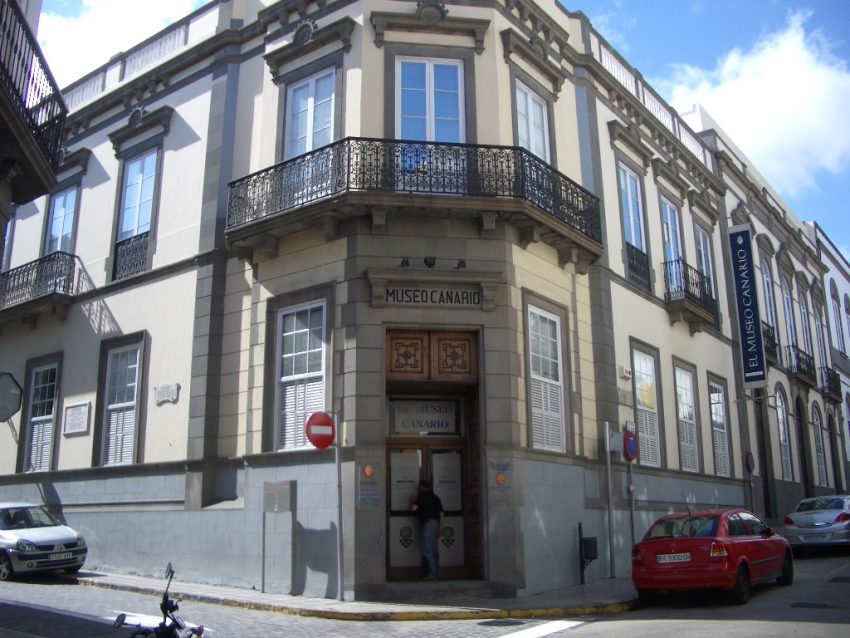
Museo Canario is one of the most important museums in the Canary Islands for understanding the archipelago's indigenous, pre-Hispanic cultures. Set in the historic heart of Las Palmas de Gran Canaria, it's an easy, rewarding stop if you want context beyond beaches and viewpoints.
Inside, the focus is on archaeology and anthropology: everyday objects, burial traditions, and the material traces of life on Gran Canaria before the Castilian conquest. The museum’s calm, scholarly feel makes it especially good for a focused visit in the middle of a city day.
Table of Contents
- History and Significance of the Museo Canario
- Things to See and Do in the Museo Canario
- How to Get to the Museo Canario
- Practical Tips on Visiting the Museo Canario
- Where to Stay Close to the Museo Canario
- Is the Museo Canario Worth Visiting?
- For Different Travelers
- FAQs for Visiting Museo Canario
- Nearby Attractions to the Museo Canario
History and Significance of the Museo Canario
Museo Canario was founded in the late 19th century by local intellectuals who wanted to study and preserve the Canary Islands' heritage at a time when archaeology and natural sciences were rapidly developing. From the beginning, it positioned itself as a research-oriented institution, not just a display space.
Its significance comes from the depth of its collections related to the indigenous peoples of Gran Canaria and the wider archipelago, helping visitors understand how island societies adapted to geography, climate, and limited resources. The museum also plays an ongoing role in scholarship, acting as a reference point for researchers and a key cultural institution in Las Palmas.
Things to See and Do in the Museo Canario
Plan to move through the galleries in a roughly chronological and thematic way: settlement life, tools and crafts, and the rituals that shaped community identity. Look closely at small objects and materials, because the museum’s strength is in the detail of daily life rather than large-scale spectacle.
One of the most impactful parts of a visit is the museum’s treatment of burial practices and human remains, which can be emotionally intense but historically illuminating. If you prefer a lighter experience, focus on the sections that explain food production, ceramics, and how people lived with the island’s landscapes.
Before you leave, take a moment to connect what you’ve seen with the streets outside in Vegueta: the museum visit pairs well with a slow walk through the old quarter, where the city’s later colonial layers become easier to place in context.
How to Get to the Museo Canario
The nearest airport is Gran Canaria Airport (LPA), with frequent connections to mainland Spain and other European cities. For the best deals and a seamless booking experience, check out these flights to Las Palmas de Gran Canaria on Booking.com.
Las Palmas de Gran Canaria does not have intercity passenger rail service, so you won't be arriving by train; most travelers come via flights and then use buses or taxis to reach the city center. Train schedules and bookings can be found on Omio.
If you’re driving, aim for parking options on the edge of Vegueta and walk in, as the oldest streets can be narrow and traffic-restricted. If you are looking to rent a car in Spain I recommend having a look at Discover Cars, first, as they compare prices and review multiple car rental agencies for you.
Practical Tips on Visiting the Museo Canario
- Entrance fee: Adults: $5.00
- Opening hours: Monday - Friday: 10:00 AM – 8:00 PM; Weekends: 10:00 AM – 2:00 PM
- Official website: https://www.elmuseocanario.com/
- Best time to visit: Late morning on a weekday is ideal for a quieter, more unrushed look at the exhibits.
- How long to spend: Most visitors spend 60-90 minutes; add time if you like reading labels and taking notes.
- Accessibility: Expect an older building layout; check ahead if you need step-free access or elevator availability for specific rooms.
- Facilities: There are restrooms on-site, and the surrounding Vegueta area is packed with cafés for a break before or after.
Where to Stay Close to the Museo Canario
Base yourself in Vegueta or nearby Triana for the easiest walkable access to museums, historic streets, and plenty of dining.
Boutique Hotel Cordial La Peregrina A stylish boutique option close to the old town atmosphere, great if you want character and an easy stroll to cultural sights.
Hotel Parque A practical, good-value choice near San Telmo transport links, handy for buses and day trips while staying close to Vegueta.
Sercotel Hotel Parque Comfortable and convenient for travelers who prioritize straightforward amenities and quick access to the historic center.
AC Hotel Iberia Las Palmas A reliable business-leaning stay with a polished feel, useful if you want consistent comfort and easy taxi access around the city.
Hotel Catalina A budget-friendly base closer to Las Canteras beach, ideal if you want to pair museum time with sea walks and a livelier evening scene.
Is the Museo Canario Worth Visiting?
Yes, especially if you want to understand Gran Canaria beyond the resort narrative. It’s a compact, information-rich museum that rewards curious travelers with real historical depth and a clearer sense of the islands’ indigenous roots.
Honest Pivot: if you’re sensitive to displays involving human remains, or you prefer highly interactive, multimedia-heavy museums, this may feel too academic or intense. In that case, consider focusing your time on outdoor viewpoints, markets, or a guided old-town walk instead.
What Other Travellers Say...

Museum with artifacts & exhibits related to the prehistory & indigenous people of Gran Canaria.


For Different Travelers
Museo Canario works best when you treat it as context: a short, focused visit that makes the rest of Las Palmas and the island feel more meaningful. It's also a strong choice on a hot or windy day when indoor plans are more comfortable.
Families with Kids
Kids who like “real artifacts” and stories about how people lived long ago can enjoy it, especially if you keep the visit short and pick a few highlight rooms. Turning it into a scavenger hunt for shapes, materials, and tools can help maintain attention.
For very young children, the museum may feel quiet and label-heavy, so plan a nearby plaza break afterward. Pairing it with a walk through Vegueta’s streets can balance out the indoor time.
Couples & Romantic Getaways
For couples, this is a low-key cultural stop that adds depth to a day in the old town without taking over your schedule. It’s particularly nice before a long lunch in Vegueta or an evening stroll through Triana.
If you enjoy meaningful travel conversations, the museum gives you plenty to talk about afterward: identity, island life, and how cultures adapt. It’s more reflective than flashy, which suits slower-paced itineraries.
Budget Travelers
Museo Canario is a strong value stop if you're building a low-cost city day around walking, plazas, and local food. It's centrally placed, so you can reach it on foot from many neighborhoods or by inexpensive public transport.
To keep costs down, combine it with free wandering in Vegueta and Triana rather than paid tours. Bring a water bottle and plan your café stop strategically, since the surrounding area has plenty of options.
History Buffs
If you’re interested in archaeology and indigenous Atlantic histories, this is one of the most essential visits on Gran Canaria. The museum’s emphasis on material culture makes the pre-Hispanic period feel concrete rather than abstract.
History buffs will get the most out of reading the interpretive panels carefully and taking time with the smaller objects. Consider visiting early in your trip so you can recognize references to indigenous heritage elsewhere on the island.
FAQs for Visiting Museo Canario
Getting There
Tickets & Entry
Visiting Experience
Tours, Context & Itineraries
Photography
Accessibility & Facilities
Food & Breaks Nearby
Safety & Timing
Nearby Attractions to the Museo Canario
- Casa de Colón: A museum in a beautiful historic building exploring Columbus-era connections and Canary history.
- Catedral de Santa Ana: The landmark cathedral of Las Palmas with impressive architecture and a historic setting.
- Plaza de Santa Ana: Vegueta's iconic square, great for photos, a quick rest, and soaking up the old-town atmosphere.
- Mercado de Vegueta: A local market where you can browse produce and grab simple snacks in a neighborhood setting.
- Triana (shopping district): A lively pedestrian-friendly area for shopping, cafés, and elegant streetscapes close to the old town.
The Museo Canario appears in our Complete Guide to Visiting Las Palmas de Gran Canaria!

Moira & Andy
Hey! We're Moira & Andy. From hiking the Camino to trips around Europe in Bert our campervan — we've been traveling together since retirement in 2020!
This website uses affiliate links which may earn a commission at no additional cost to you!
Planning Your Visit
Monday – Friday: 10:00 AM - 8:00 PM; Weekends: 10:00 AM - 2:00 PM
Adults: $5.00
Nearby Attractions
- Los Perros de La Plaza de Santa Ana (0.1) km
Sculpture, Square and Statue - Plaza de Santa Ana (0.1) km
Historic Building, Historic Site and Square - Catedral Metropolitana de Santa Ana de Canarias (0.1) km
Cathedral, Museum and Tower - Santo Domingo of Guzmán Parish (0.1) km
Church, Historic Building and Religious Building - Plaza del Pilar Nuevo (0.2) km
Area, Attraction and Square - Casa de Colón (0.2) km
Historic Building and Museum - CAAM - Atlantic Center of Modern Art (0.2) km
Arts Venue, Gallery and Museum - Plaza de las Ranas (0.3) km
Area, Fountain and Square - Mercado De Vegueta (0.4) km
Area, Bazaar and Market - Literary Cabinet (0.4) km
Arts Venue, Attraction and Historic Building