Musee de l'Ancien Eveche, Grenoble
Historic Building, Historic Site and Museum in Grenoble
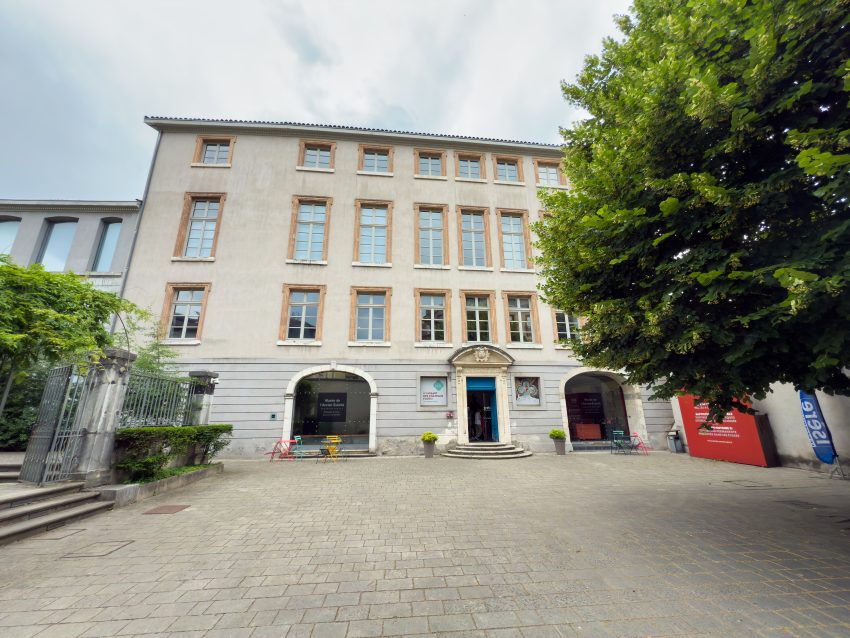
Musee de l'Ancien Eveche sits in Grenoble's historic center, tucked beside the cathedral in a former bishops' palace. It's one of the best places in the city to understand how Grenoble grew from Roman roots into a modern Alpine capital, with exhibits that move from archaeology to everyday life across the centuries.
Because it's centrally located, it's an easy add-on to a walking tour of the old town: pair it with the nearby cathedral, small lanes around Place Notre-Dame, and a stroll toward the Isère River. Even if you're only in Grenoble for a day, this museum is a smart “between sights” stop that feels substantial without being exhausting.
Table of Contents
- History and Significance of the Musee de l’Ancien Eveche
- Things to See and Do in the Musee de l’Ancien Eveche
- How to Get to the Musee de l’Ancien Eveche
- Practical Tips on Visiting the Musee de l’Ancien Eveche
- Where to Stay Close to the Musee de l’Ancien Eveche
- Is the Musee de l’Ancien Eveche Worth Visiting?
- For Different Travelers
- FAQs for Visiting Musee de l’Ancien Eveche
- Nearby Attractions to the Musee de l’Ancien Eveche
History and Significance of the Musee de l’Ancien Eveche
The museum occupies the former episcopal palace, a building that reflects Grenoble’s long relationship with religion, civic power, and urban change. Visiting isn’t just about the objects in cases; it’s also about being inside a layered historic structure in the heart of the old city.
One of the museum's most memorable features is the archaeological dimension: beneath the building, you can see remains connected to early Christian Grenoble, including a baptistery area and traces that help explain how the cathedral complex evolved. This “museum of a site” feeling makes the visit more immersive than a standard local-history museum.
As part of the Département de l'Isère museum network, Musee de l'Ancien Eveche also plays a cultural role for Grenoble today, hosting changing exhibitions that bring fresh reasons to return. It's a place where the city's deep past and its contemporary creative life meet.
Things to See and Do in the Musee de l’Ancien Eveche
Start downstairs with the in-situ archaeological remains. The below-ground presentation is often the highlight for first-time visitors, especially if you enjoy Roman-era layers, early Christian history, and the feeling of standing where the city’s earliest communities gathered.
Upstairs, work through the galleries that trace Grenoble and the wider Dauphiné/Isère area across time. Expect a mix of artifacts, interpretive displays, and contextual storytelling that helps you connect names and dates to real neighborhoods, trades, and daily routines.
Finally, leave time for the temporary exhibition spaces, which can range from photography to themed historical shows. If you’re traveling with limited French, check at the desk for any available English-language support (many visitors mention helpful staff and audio-guide options).
How to Get to the Musee de l’Ancien Eveche
The nearest major airports are Lyon–Saint Exupéry (LYS) and Geneva (GVA), with Grenoble Alpes Isère Airport (GNB) serving limited seasonal routes. For the best deals and a seamless booking experience, check out these flights to Grenoble on Booking.com.
Grenoble is well connected by rail, and arriving at Gare de Grenoble makes it straightforward to continue into the city center by tram, bus, taxi, or on foot. You can use SNCF Connect to check schedules, compare routes, and purchase tickets for National (SNCF ) and regional trains (TER). For a more streamlined experience, we recommend using Omio, which allows you to easily compare prices, schedules, and book tickets for both National and Regional travel across all of Europe, all in one place.
If you're driving, aim for central parking such as around the Musée de Grenoble/Lavalette area, then walk a few minutes into the pedestrian-friendly old town. If you are looking to rent a car in France I recommend having a look at Discover Cars, first, as they compare prices and review multiple car rental agencies for you.
Practical Tips on Visiting the Musee de l’Ancien Eveche
- Official website: https://musees.isere.fr/musee/musee-de-lancien-eveche
- Entrance fee: Free.
- Opening hours: Tuesday – Friday: 10:00–18:00. Saturday – Sunday: 10:00–18:00. Closed on Monday. Closed on January 1, May 1, December 25.
- Best time to visit: Late morning on a weekday is ideal for a calmer experience, especially if you want time in the basement archaeological area without feeling rushed.
- How long to spend: Plan 60–90 minutes for a satisfying visit; add extra time if a temporary exhibition catches your interest.
- Accessibility: The museum is generally accessible, but it’s worth checking ahead if you rely on elevators, as access conditions can change.
- Facilities: Expect basic visitor amenities and a comfortable indoor break from weather; combine your visit with nearby cafés around Place Notre-Dame.
Where to Stay Close to the Musee de l’Ancien Eveche
Base yourself in central Grenoble (Hyper-centre/Old Town) for the easiest walking access to the museum, restaurants, and the city's main sights.
For a classic, comfortable stay close to the historic core, consider: Le Grand Hôtel Grenoble, BW Premier Collection It’s a polished, central option that works well if you want to walk everywhere and still have an upscale feel.
If you like boutique style and a quieter, design-forward atmosphere: Hôtel d’Angleterre Grenoble It’s well placed for cafés and shopping, and it’s an easy walk to the old town lanes near the museum.
For a modern, reliable chain stay near transport links: OKKO Hotels Grenoble Jardin Hoche This is a strong pick if you value contemporary rooms and a streamlined, predictable experience.
If you want something practical and budget-friendly while staying central: Ibis Grenoble Centre Bastille It’s convenient for the Bastille area and the river, and it keeps you close to the museum without paying premium rates.
For a comfortable mid-range base with easy access to the center: Mercure Grenoble Centre Alpotel It’s a good choice if you want a bit more space and amenities while still being a short ride or walk from the old town.
Is the Musee de l’Ancien Eveche Worth Visiting?
Yes, especially if you enjoy understanding a city beyond its postcard views. The combination of a historic building, well-presented local storytelling, and the standout archaeological remains makes it one of Grenoble’s most rewarding indoor stops, and the fact that entry is free removes the usual “is it worth it?” risk.
Honest Pivot: if you’re not interested in history or archaeology and you’re trying to maximize mountain viewpoints, you may prefer to spend your limited time on the Bastille cable car, riverside walks, or a day trip into the surrounding Alps. The museum is information-rich, so travelers who want only quick, visual highlights might find it slower-paced.
What Other Travellers Say...

Travelers rate this museum very highly overall, praising it as an engaging way to learn Grenoble’s history in a beautiful historic building. Common highlights include the underground Roman/early Christian remains, well-designed displays, and the fact that entry is free, with visitors also appreciating helpful staff and English-friendly options like audio guides. A minority find it smaller or less compelling if they’re not interested in local history or archaeology.


For Different Travelers
Musee de l'Ancien Eveche is flexible: it can be a quick cultural break or a deeper dive into Grenoble's layers. It also fits nicely into a walkable day in the old town, making it easy to tailor to your travel style.
Families with Kids
Kids who like “real things from the past” often engage most with the underground remains and the idea of discovering a hidden site beneath the city. Turning the visit into a mini scavenger hunt (spot the oldest object, find a map of ancient Grenoble) can keep attention high.
For younger children, keep the route simple: basement first, then one or two upstairs rooms, then a treat break nearby. The museum works best as a shorter visit for families unless your kids already love museums.
Couples & Romantic Getaways
For couples, this museum is a relaxed, low-pressure cultural stop between long lunches and scenic walks. The setting in the old town near the cathedral makes it feel atmospheric, especially when you arrive on foot through Grenoble’s historic streets.
Pair it with a slow stroll along the Isère afterward, or plan it before sunset views from the Bastille. It’s a good “shared context” visit that adds meaning to what you’re seeing around the city.
Budget Travelers
Free entry makes this one of the best-value attractions in Grenoble, and it can easily fill an hour or more. If you're traveling on a tight budget, it's a smart anchor activity for a city day without spending on tickets.
Combine it with other low-cost classics: walking the old town, enjoying viewpoints, and picnicking near the river. It’s also a great rainy-day plan when you want something substantial without paying for a big museum.
History Buffs
History lovers should prioritize the archaeological level and then take time with the interpretive displays that connect artifacts to Grenoble’s changing urban footprint. The museum’s strength is how it ties local history to specific places you can still walk to today.
If you’re building a history-focused itinerary, use this museum as your starting point, then continue to nearby religious sites and other museums to compare time periods and themes. You’ll leave with a clearer mental map of Grenoble’s timeline.
FAQs for Visiting Musee de l’Ancien Eveche
Getting There
Tickets & Entry
Visiting Experience
Tours, Context & Itineraries
Photography
Accessibility & Facilities
Food & Breaks Nearby
Safety & Timing
Nearby Attractions to the Musee de l’Ancien Eveche
- Grenoble Cathedral (Cathédrale Notre-Dame): A historic landmark next door that anchors the old town's religious and civic history.
- Musée de Grenoble: One of France's notable fine-arts museums, an easy walk away near the river and parkland.
- Téléphérique de Grenoble-Bastille: The iconic cable car ride to panoramic viewpoints over the city and surrounding mountains.
- Jardin de Ville: A pleasant central green space for a breather between museums and old-town wandering.
- Place Saint-André: A lively historic square with cafés and architecture that’s ideal for an evening stroll.
The Musee de l'Ancien Eveche appears in our Complete Guide to Visiting Grenoble!

Moira & Andy
Hey! We're Moira & Andy. From hiking the Camino to trips around Europe in Bert our campervan — we've been traveling together since retirement in 2020!
This website uses affiliate links which may earn a commission at no additional cost to you!
Planning Your Visit
Tuesday - Friday: 10:00-18:00.
Saturday - Sunday: 10:00-18:00.
Closed on Monday.
Closed on January 1, May 1, December 25.
Free.
Nearby Attractions
- Catedral de Notre Dame (0.0) km
Cathedral and Religious Building - Musee de Grenoble (0.1) km
Museum - Grande Rue (0.3) km
Area, Street and Walk - Rue Lafayette (0.3) km
Area, Street and Walk - Halle Sainte-Claire (0.3) km
Market - Ancien Palais du Parlement (0.3) km
Historic Building, Historic Site and Palace - Cafe La Table Ronde (0.3) km
Café and Historic Building - Collegiate Church of Saint-André (0.3) km
Church, Historic Site and Religious Building - Appartement Natal de Stendhal (0.3) km
Historic Building, Historic Site and Museum - Roman Walls of Grenoble (0.3) km
Roman Site