Musee Dauphinois, Grenoble
Gardens, Monastery and Museum in Grenoble
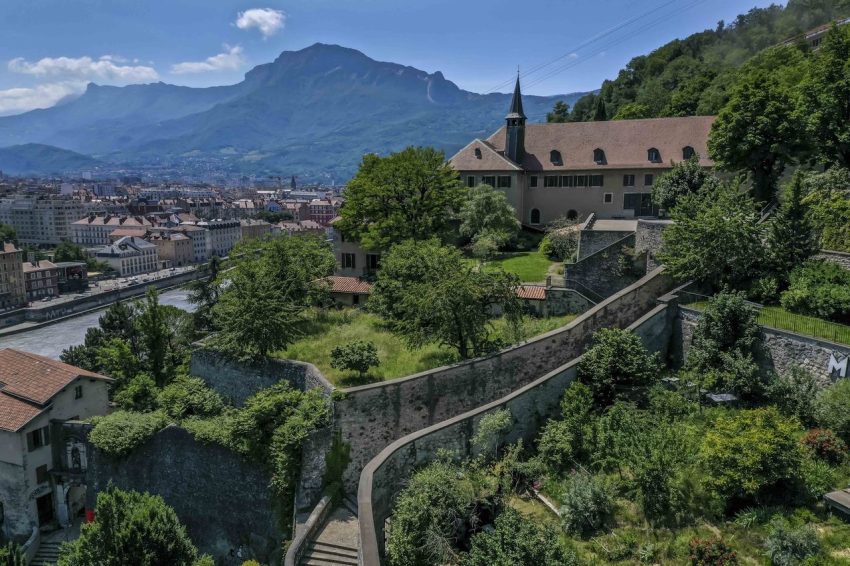
Perched on the hillside above the Isère River, the Musee Dauphinois is one of Grenoble's most atmospheric museums, housed in a former monastery with terraced gardens and panoramic viewpoints. It's a place where the building and setting are as memorable as the collections, with exhibitions that explore life in the Dauphiné and the wider Alpine region.
It's an easy add-on to a self-guided walking tour of Grenoble's old town: wander the riverside quays, cross into the Saint-Laurent area, then climb up for the views and a quieter pace. If you're choosing the best places to see in Grenoble beyond the big-ticket sights, this museum is a strong pick for culture, calm, and scenery in one stop.
Table of Contents
- History and Significance of the Musee Dauphinois
- Things to See and Do in the Musee Dauphinois
- How to Get to the Musee Dauphinois
- Practical Tips on Visiting the Musee Dauphinois
- Where to Stay Close to the Musee Dauphinois
- Is the Musee Dauphinois Worth Visiting?
- For Different Travelers
- FAQs for Visiting Musee Dauphinois
- Nearby Attractions to the Musee Dauphinois
History and Significance of the Musee Dauphinois
The Musee Dauphinois is closely tied to the identity of the Alps and the communities that shaped Grenoble's surrounding valleys. Rather than focusing on “fine art” alone, it highlights regional culture and everyday life, making it a great counterpoint to more traditional city museums.
Its home in a former religious complex gives the visit a distinctive mood: stone corridors, quiet corners, and a sense of retreat just minutes from the city center. The museum's setting above the river also reflects a classic Grenoble theme: the constant interplay between urban life and the mountains that frame it.
Today, the Musee Dauphinois is significant not just for what it displays, but for how it helps visitors understand the region's traditions, landscapes, and changing ways of life. Even if you're only in Grenoble for a short stay, it offers context that makes the rest of the city feel more meaningful.
Things to See and Do in the Musee Dauphinois
Start with the exhibitions on mountain communities and Alpine life, which many visitors find surprisingly engaging and easy to follow, even if you don’t arrive with much background knowledge. Displays often mix objects, images, and multimedia, so you can skim quickly or dive deep depending on your energy.
Don’t rush the building itself. The former monastery spaces add texture to the visit, and part of the fun is navigating the different rooms and levels as the story shifts from local history to broader cultural themes.
Finally, save time for the gardens and terraces. They're ideal for a slow break with views over Grenoble and the surrounding peaks, and they can be the highlight if you're looking for a peaceful, less crowded experience.
How to Get to the Musee Dauphinois
The nearest major airports are Lyon–Saint Exupéry (LYS), Grenoble Alpes Isère (GNB, limited routes), and Geneva (GVA), with Lyon usually the most practical for international connections. For the best deals and a seamless booking experience, check out these flights to Grenoble on Booking.com.
Grenoble is well-connected by rail, and arriving at Gare de Grenoble makes it simple to continue by tram, bus, taxi, or on foot into the historic center. You can use SNCF Connect to check schedules, compare routes, and purchase tickets for National (SNCF ) and regional trains (TER). For a more streamlined experience, we recommend using Omio, which allows you to easily compare prices, schedules, and book tickets for both National and Regional travel across all of Europe, all in one place.
If you're driving, Grenoble is accessible via major Alpine motorways, but central parking can be tight, so it's often easiest to park once and explore on foot or by public transport. If you are looking to rent a car in France I recommend having a look at Discover Cars, first, as they compare prices and review multiple car rental agencies for you.
Practical Tips on Visiting the Musee Dauphinois
- Official website: https://musees.isere.fr/musee-dauphinois
- Entrance fee: Free.
- Opening hours: (October – May) Tuesday – Sunday: 10:00–18:00; Closed on Monday. (Closed January 1, May 1, December 25). (June – September) Tuesday – Friday: 10:00–18:00; Saturday – Sunday: 10:00–19:00; Closed on Monday. (Closed January 1, May 1, December 25).
- Best time to visit: Go in the morning for a quieter experience, or late afternoon for softer light over the city from the terraces.
- How long to spend: Plan 1.5–2.5 hours for the exhibitions and gardens, longer if you like watching all the videos and reading every panel.
- Accessibility: The site is on a steep hill and includes historic spaces with level changes; mobility access is possible in parts, but not everywhere.
- Facilities: Expect rest areas and outdoor seating in the gardens; pack a water bottle for the uphill walk, especially in warmer months.
Where to Stay Close to the Musee Dauphinois
Base yourself in central Grenoble near the old town and tram lines for the easiest walking access to the museum and the rest of the city.
For a classic, comfortable stay with strong transport links, choose a well-located business-style hotel near the station and trams. OKKO Hotels Grenoble Jardin Hoche It’s a smart pick for convenience and a modern, streamlined feel, making it easy to balance museum time with day trips.
If you want a reliable central option that works well for short stays, this is a practical base close to the city’s main arrival points. Novotel Grenoble Centre It’s useful for travelers who prioritize easy logistics and quick access to public transport.
For a more boutique, character-forward experience closer to the historic core, consider a smaller hotel with a local vibe. Hôtel d’Angleterre Grenoble You’re well placed for cafés, evening strolls, and a scenic walk toward the river and the museum climb.
If you’re after a polished, upscale feel near the center, this is a strong choice for comfort and a “treat yourself” night. Park Hôtel Grenoble - MGallery It’s ideal if you want a calmer setting near green space while staying close to the action.
For a dependable mid-range stay with easy access to the old town lanes and dining, this option keeps everything simple. Mercure Grenoble Centre Président It’s a good fit if you want comfort and predictability after a day of walking and museum-hopping.
Is the Musee Dauphinois Worth Visiting?
Yes, especially if you like museums that feel rooted in place. Between the hillside setting, the former monastery atmosphere, and exhibitions that explain Alpine culture in a grounded way, it’s one of Grenoble’s most rewarding stops for travelers who want more than a quick photo.
Honest Pivot: If you only enjoy blockbuster art collections or highly linear, “one clear theme” museums, you might find parts of the Musee Dauphinois a bit eclectic or confusing to navigate. In that case, prioritize a viewpoint or a single flagship museum and save this for a slower return trip.
What Other Travellers Say...

Travelers rate the Musee Dauphinois very highly overall, often highlighting the peaceful atmosphere, the beautiful hillside location, and the excellent gardens with city-and-mountain views. Many visitors also enjoy the exhibitions on local and Alpine life, and appreciate that some labels are accessible for non-French speakers. Common downsides are that the museum can feel unusual or hard to categorize, and the layout can be a bit confusing to navigate; the uphill approach may also be a consideration for some.


For Different Travelers
The Musee Dauphinois works well because it can be a quick cultural stop or a slow, reflective visit. Your experience depends on whether you focus on the exhibitions, the building, the gardens, or all three.
Families with Kids
The setting helps: climbing up feels like an adventure, and the gardens offer space to reset between galleries. Families who mix museum time with outdoor breaks tend to enjoy it most.
Inside, kids may respond best to visual displays and shorter loops rather than trying to see everything. Aim for one or two exhibition areas, then reward everyone with terrace time and views.
Couples & Romantic Getaways
For couples, this is a quietly romantic Grenoble stop: historic stone spaces, calm galleries, and scenic viewpoints that feel removed from the city bustle. It's especially nice as a late-morning visit that flows into a long lunch back in town.
Treat it like a slow date rather than a checklist museum. Pick a few rooms that interest you, then linger in the gardens and enjoy the panorama together.
Budget Travelers
This museum is a strong value choice, particularly if you’re building a low-cost day around walking, viewpoints, and free cultural stops. The uphill approach also doubles as a scenic mini-hike with city views.
To keep spending down, bring snacks and water, and plan your route to connect with other walkable sights in the old town so you’re not relying on taxis.
History Buffs
History-minded visitors will appreciate how the museum frames local life and regional identity, not just major events. It's a great place to understand how mountain geography shaped communities, work, and traditions around Grenoble.
Pair it with a walk through the Saint-Laurent area and riverside quays to connect what you’ve learned indoors with the city’s historic layout and landscape.
FAQs for Visiting Musee Dauphinois
Getting There
Tickets & Entry
Visiting Experience
Tours, Context & Itineraries
Photography
Accessibility & Facilities
Food & Breaks Nearby
Safety & Timing
Nearby Attractions to the Musee Dauphinois
- Bastille de Grenoble: A landmark hilltop fort area with sweeping views and classic Grenoble panoramas.
- Téléphérique Grenoble-Bastille: The iconic cable car ride that quickly lifts you above the city for viewpoints.
- Musée de Grenoble: A major art museum with a strong collection, ideal for pairing with a culture-focused day.
- Jardin de Ville: A central green space that's perfect for a stroll and a break between sights.
- Place Saint-André: A historic square with lively atmosphere, great for cafés and evening wandering.
The Musee Dauphinois appears in our Complete Guide to Visiting Grenoble!

Moira & Andy
Hey! We're Moira & Andy. From hiking the Camino to trips around Europe in Bert our campervan — we've been traveling together since retirement in 2020!
This website uses affiliate links which may earn a commission at no additional cost to you!
Planning Your Visit
(October - May) Tuesday - Sunday: 10:00-18:00; Closed on Monday. (Closed January 1, May 1, December 25).
(June - September) Tuesday - Friday: 10:00-18:00; Saturday - Sunday: 10:00-19:00; Closed on Monday. (Closed January 1, May 1, December 25).
Free.
Nearby Attractions
- Grenoble-Bastille Cable Car (0.2) km
Cable Car and Viewing Point - Ancien Palais du Parlement (0.2) km
Historic Building, Historic Site and Palace - Collegiate Church of Saint-André (0.3) km
Church, Historic Site and Religious Building - Cafe La Table Ronde (0.3) km
Café and Historic Building - Jardin de Ville (0.3) km
Attraction, Gardens and Park - Grande Rue (0.3) km
Area, Street and Walk - Musee Stendhal (0.4) km
Museum - Appartement Natal de Stendhal (0.4) km
Historic Building, Historic Site and Museum - Rue Lafayette (0.4) km
Area, Street and Walk - Musee de Grenoble (0.5) km
Museum