Musée d'Arts de Nantes
Museum in Nantes
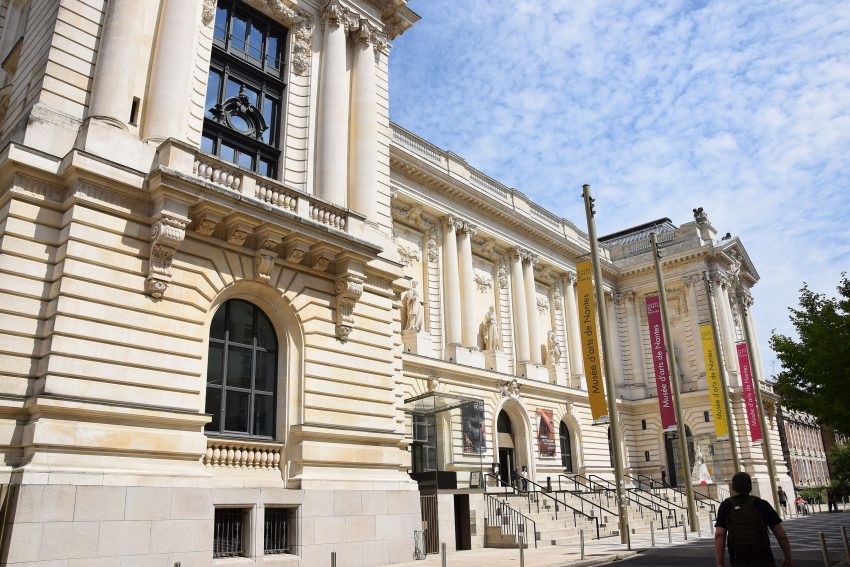
Between Nantes Cathedral and the leafy Jardin des Plantes, the Musée d'Arts de Nantes combines a 19th-century palais with a striking modern extension known as the Cube, turning a traditional fine arts museum into a light-filled, contemporary space. Inside, more than 14,000 works trace Western art from the 13th to the 21st century, with highlights by Gentileschi, Ingres, Monet, Kandinsky, Soulages, and Kapoor. It is one of the best places to visit in Nantes if you want to immerse yourself in European painting, sculpture, and contemporary installations all under one roof.
The renovation completed in 2017 did more than just polish the building; it rethought how the collection is presented. Wide corridors, generous natural light, and carefully framed views between the palais and the Cube make moving through the galleries feel intuitive and relaxed. Whether you are here for old masters or cutting-edge contemporary work, the museum's atmosphere encourages you to slow down and really look, making it a highlight of any walking tour of Nantes.
Table of Contents
- History and Significance of the Musée d’Arts de Nantes
- Things to See and Do in the Musée d’Arts de Nantes
- How to Get to the Musée d’Arts de Nantes
- Practical Tips on Visiting the Musée d’Arts de Nantes
- Where to Stay close to the Musée d’Arts de Nantes
- Is the Musée d’Arts de Nantes Worth Visiting?
- FAQs for Visiting Musée d’Arts de Nantes
- Nearby Attractions to the Musée d’Arts de Nantes
History and Significance of the Musée d’Arts de Nantes
Founded in 1801, the Musée d'Arts de Nantes is one of France's oldest fine arts museums, part of a wave of cultural institutions established after the French Revolution to open former princely and ecclesiastical collections to the public. Over the 19th century, the museum grew steadily, benefiting from state deposits, local acquisitions, and gifts that expanded its holdings well beyond regional artists.
Its current home centres on a 19th-century palais, whose classical proportions and grand staircases provided a fitting backdrop for academic painting and sculpture. However, by the late 20th century, the need for more space, better conservation, and updated visitor facilities became pressing. A major renovation and expansion led by the British firm Stanton Williams reimagined the site, adding the contemporary Cube extension and carefully restoring historic interiors. When the museum reopened in 2017, it offered not just more room, but a clearer narrative for presenting works across centuries.
Today, the Musée d'Arts de Nantes is recognised for its breadth and depth. It holds important pieces from the Renaissance to the 19th century, but also has a strong focus on 20th- and 21st-century art, demonstrating how a historic collection can remain forward-looking. Its exhibitions and programming position Nantes as a serious art destination, complementing the city's more playful contemporary projects and creative public spaces.
Things to See and Do in the Musée d’Arts de Nantes
Begin in the historic palais, where high-ceilinged galleries showcase works from the 13th to the 19th century. Here you can encounter highlights such as Gentileschi’s “Diana the Huntress,” Ingres’ “Portrait of Madame de Senonnes,” and Monet’s “Water Lilies,” alongside a wide range of European painting and sculpture. The arrangement allows you to move through periods and styles, seeing how ideas about light, form, and narrative changed over time.
Moving into the Cube, the atmosphere shifts. This modern extension houses much of the 20th- and 21st-century collection, with works by Kandinsky, Soulages, Kapoor, and other major names. Clean lines, large wall surfaces, and controlled lighting create an ideal environment for abstract painting, sculpture, and installations. The transition from the palais to the Cube is part of the experience, underlining how art and architecture evolve together.
Throughout the museum, you will find spaces devoted to temporary exhibitions that tackle diverse themes-anything from non-Western art and global empires to contemporary photography or design. Audio guides, wall texts, and occasionally interactive elements help you dive deeper into key works. When you need a break, the on-site café and bookstore offer a chance to sit, reflect, or pick up a catalogue or postcard before heading back out into the city.
How to Get to the Musée d’Arts de Nantes
The Musée d'Arts de Nantes sits between the cathedral and the Jardin des Plantes, a short walk from the Château des Ducs de Bretagne and the Bouffay district, making it easy to integrate into any central Nantes itinerary. The nearest airport is Nantes Atlantique Airport, which has regular domestic and European flights and convenient shuttle or bus links into the city centre. For the best deals and a seamless booking experience, check out these flights to Nantes on Booking.com.
By train, Nantes station is one of western France's main hubs, served by TGV, Intercités, and regional lines. From the station, it is about a 10-15 minute walk to the museum, or just a few minutes by tram or bus, with clear signage guiding you toward the cathedral and the museum area. You can use SNCF Connect to check schedules, compare routes, and purchase tickets for National (SNCF ) and regional trains (TER). For a more streamlined experience, we recommend using Omio, which allows you to easily compare prices, schedules, and book tickets for both National and Regional travel across all of Europe, all in one place.
If you are arriving by car, follow signs for Nantes centre and park in one of the nearby underground or multi-storey car parks, such as those close to the station, cathedral, or château. From there, the museum is an easy walk through the compact historic core, and you can comfortably explore the rest of central Nantes on foot or by tram. If you are looking to rent a car in France I recommend having a look at Discover Cars, first, as they compare prices and review multiple car rental agencies for you.
Practical Tips on Visiting the Musée d’Arts de Nantes
- Suggested tips: Plan your route so you move chronologically from the older collections in the palais to the modern and contemporary works in the Cube-it makes the evolution of Western art much easier to follow.
- Best time to visit: Weekday mornings or late afternoons tend to be quieter, allowing you more space in front of major works and a calmer atmosphere in the Cube.
- Entrance fee: Adults: €9.00. Museum Pass: €15 (Jules Verne Museum, the Natural History Museum, the Museum of Fine Arts, the History Museum (Château des Ducs de Bretagne), and the Chronograph.
- Opening hours: Every day, from 11am to 7pm, except Tuesday, open until 9pm on Thursday.
- Official website: https://museedartsdenantes.nantesmetropole.fr/
- How long to spend: Allow at least 2 hours to see the main highlights; dedicated art lovers could easily spend half a day exploring both the permanent collections and temporary exhibitions.
- Accessibility: Lifts, ramps, and wide galleries make most areas accessible to visitors with reduced mobility; ask at reception for detailed accessibility information and adapted routes.
- Facilities: The museum offers a ticket desk, cloakroom or lockers, toilets, a café, and a bookstore where you can find art books, postcards, and design items.
- Photography tip: Take advantage of the natural light in the Cube for clean, modern shots, and use the grand staircases and architectural details in the palais as backdrops for more atmospheric images, respecting any no-flash or restricted photography signs.
- Guided tours: Look out for scheduled guided-tours or themed visits, which can help you navigate the highlights and give context to lesser-known works.
- Nearby food options: Beyond the on-site café, the nearby Bouffay district and streets around the cathedral are full of restaurants, crêperies, and bars for a post-museum meal or drink.
Where to Stay close to the Musée d’Arts de Nantes
Staying near the Musée d'Arts de Nantes puts you within easy reach of the cathedral, the château, and the Jardin des Plantes, ideal if you want to explore the city on foot. A stylish, central option is L'Hôtel - Face au Château, which sits close to both the château and the cathedral and offers comfortable rooms in a prime location. For a more contemporary feel, Hôtel La Pérouse Nantes combines modern design with a great position near tram lines and shopping streets, making it easy to reach the museum. If you prefer a quieter, residential atmosphere while staying within walking distance of the historic centre, Hôtel Chateaubriand offers a cosy, good-value base with pleasant routes into town.
Is the Musée d’Arts de Nantes Worth Visiting?
The Musée d'Arts de Nantes is absolutely worth visiting, whether you are a seasoned gallery-goer or simply curious about seeing a broad sweep of art history in one place. Its combination of old masters, Impressionist favourites, modern abstraction, and contemporary installations makes it feel both substantial and fresh, while the blend of historic palais and modern Cube adds an architectural experience to the artistic one. It complements Nantes' other major sights beautifully, providing depth, context, and a generous dose of visual pleasure in the heart of the city.
What Other Travellers Say...

Musée d'arts de Nantes at 10 Rue Georges Clemenceau houses fine art from the 13th century through modern video installations across a very large, well-lit building where rooms are organized by period or theme; visitors praise spacious galleries, thoughtfully lit displays that showcase each piece, and interactive contemporary exhibitions (some find certain 21st-century works less engaging), note that it's included in the Nantes Pass, and mention admission pricing differences for under-25s versus older visitors and regional discounts being limited.


FAQs for Visiting Musée d’Arts de Nantes
Nearby Attractions to the Musée d’Arts de Nantes
- Cathédrale Saint-Pierre-et-Saint-Paul de Nantes: The city's soaring Gothic cathedral, just a short walk away, with an impressive nave and historic ducal tomb.
- Château des Ducs de Bretagne: A former ducal fortress and home to the city history museum, offering rampart walks and engaging exhibits on Nantes' past.
- Jardin des Plantes: A beautiful botanical garden near the station, perfect for a relaxing stroll among themed plantings and playful art installations.
- Quartier Bouffay: The medieval heart of Nantes, full of narrow lanes, lively bars, and restaurants, ideal for an evening out after museum visits.
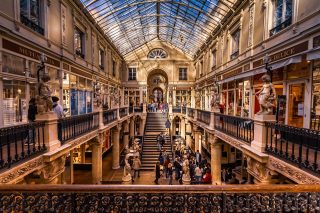
- Passage Pommeraye: A 19th-century shopping arcade with elegant staircases and glass roofs, mixing architecture, boutiques, and a touch of old-world glamour.
The Musée d'Arts de Nantes appears in our Complete Guide to Visiting Nantes!

Moira & Andy
Hey! We're Moira & Andy. From hiking the Camino to trips around Europe in Bert our campervan — we've been traveling together since retirement in 2020!
This website uses affiliate links which may earn a commission at no additional cost to you!
Planning Your Visit
Every day, from 11am to 7pm, except Tuesday, open until 9pm on Thursday.
Adults: €9.00. Museum Pass: €15 (Jules Verne Museum, the Natural History Museum, the Museum of Fine Arts, the History Museum (Château des Ducs de Bretagne), and the Chronograph.
Nearby Attractions
- Porte Saint-Pierre (0.2) km
City Gate - Cathédrale Saint-Pierre-et-Saint-Paul de Nantes (0.3) km
Cathedral - Château des Ducs de Bretagne (0.4) km
Castle - Jardin des Plantes (0.4) km
Gardens - Nantes History Museum (0.5) km
Museum - Jungle Intérieure (0.6) km
Gardens - Eglise Sainte-Croix (0.7) km
Church - Place Royale (1.0) km
Historic Building - Passage Pommeraye (1.1) km
Historic Building - Place Graslin (1.3) km
Square