Musée Alsacien, Strasbourg
Historic Building, Historic Site and Museum in Strasbourg
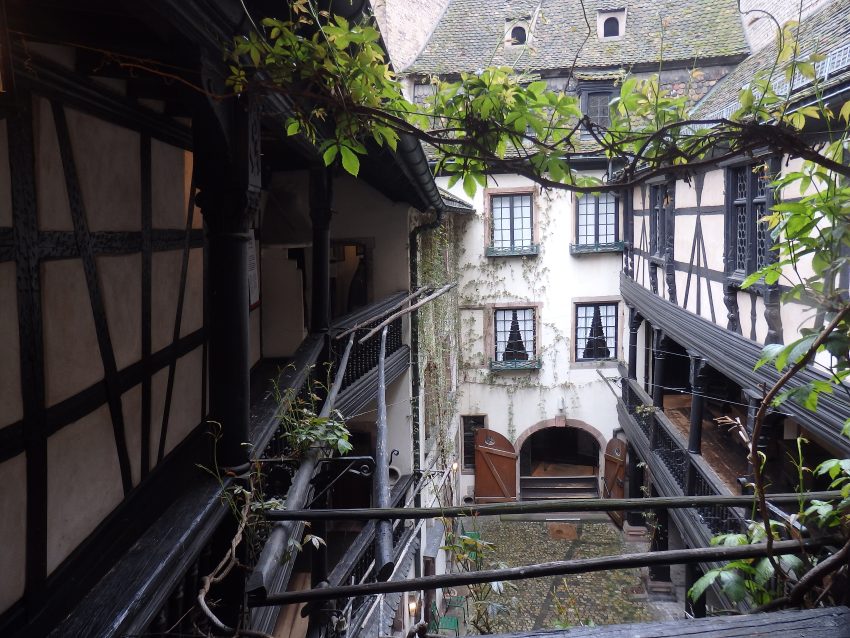
Tucked along the Ill River in central Strasbourg, the Musée Alsacien is a compact, atmospheric museum dedicated to everyday life in Alsace, with rooms staged like real homes, workshops, and kitchens. It's housed across a cluster of historic, interconnected buildings, so the setting is as much a highlight as the objects inside.
It's an easy add-on to a walking tour of the Grande Île: pair it with Petite France, the Cathedral area, and a riverside stroll, then duck in for a focused hour of regional culture. Because it sits close to many top sights, it works well as a “between landmarks” stop when you want something quieter and more local.
Table of Contents
- History and Significance of the Musée Alsacien
- Things to See and Do in the Musée Alsacien
- How to Get to the Musée Alsacien
- Practical Tips on Visiting the Musée Alsacien
- Where to Stay Close to the Musée Alsacien
- Is the Musée Alsacien Worth Visiting?
- For Different Travelers
- FAQs for Visiting Musée Alsacien
- Nearby Attractions to the Musée Alsacien
History and Significance of the Musée Alsacien
The Musée Alsacien was created to preserve and present Alsatian folk culture, from domestic life and religious traditions to craftwork and festive customs. Rather than focusing on grand political history, it tells the story of how people lived, worked, and marked life events across centuries.
One of the museum’s most distinctive features is its setting: a series of traditional buildings that create a lived-in, neighborhood feel. Moving from room to room feels like stepping through time, with interiors that help you understand how architecture, climate, and local materials shaped daily routines.
Beyond nostalgia, the museum is significant because Alsace sits at a cultural crossroads, influenced by both French and German worlds. The displays help make sense of that layered identity through language, clothing, beliefs, and household objects.
Things to See and Do in the Musée Alsacien
Start by taking your time in the reconstructed interiors: the warm, wood-lined living spaces, kitchens, and craft settings are designed to be read like stories. Look for the small details (tools, ceramics, textiles, and furniture) that show how families organized their homes and work.
Don’t skip the building itself. The interconnected houses and inner courtyard create a calm, tucked-away atmosphere that contrasts nicely with Strasbourg’s busier streets, and the riverside location makes it especially pleasant before or after your visit.
If you enjoy context, pay attention to the interpretive labels and thematic groupings that connect objects to beliefs and rituals. Even if you’re not a museum person, the “slice of life” approach makes it easy to stay engaged.
How to Get to the Musée Alsacien
The nearest major airports are Strasbourg Airport (SXB) for the quickest arrival, with additional options via Karlsruhe/Baden-Baden (FKB) and Basel-Mulhouse-Freiburg (BSL/MLH) depending on routes and prices. For the best deals and a seamless booking experience, check out these flights to Strasbourg on Booking.com.
Strasbourg is very well connected by rail, and arriving by train is often the simplest way to reach the city center; from Strasbourg station, you can continue by tram, bus, taxi, or a straightforward walk into the historic core. You can use SNCF Connect to check schedules, compare routes, and purchase tickets for National (SNCF ) and regional trains (TER). For a more streamlined experience, we recommend using Omio, which allows you to easily compare prices, schedules, and book tickets for both National and Regional travel across all of Europe, all in one place.
If you’re traveling by car, aim for parking outside the tight historic center and continue by tram or on foot to avoid congestion and restricted-access streets. If you are looking to rent a car in France I recommend having a look at Discover Cars, first, as they compare prices and review multiple car rental agencies for you.
Practical Tips on Visiting the Musée Alsacien
- Official website: https://www.musees.strasbourg.eu/musee-alsacien
- Entrance fee: Check official website.
- Opening hours: Closed for renovations (July 7, 2025 – June 30, 2027).
- Best time to visit: Go earlier in the day for a calmer experience, then continue your walk along the Ill River and into Petite France. If you're visiting in peak season, weekdays tend to feel less crowded than weekends.
- How long to spend: Plan on about 60–90 minutes for a comfortable visit, longer if you like reading labels closely and lingering in the reconstructed rooms.
- Accessibility: The museum is in historic buildings with uneven levels and stairs, so mobility can be challenging; check ahead if you need step-free access or assistance.
- Facilities: Expect restrooms and a small shop; it’s a good stop on a walking day because you can reset, browse souvenirs, and continue sightseeing nearby.
Where to Stay Close to the Musée Alsacien
Base yourself on the Grande Île (historic center) for the easiest walking access to the Musée Alsacien, the Cathedral, Petite France, and riverside routes.
For a classic old-town stay with a strong sense of place, consider: Hôtel Cour du Corbeau Strasbourg - MGallery It’s a memorable pick for travelers who want historic character and a central location that keeps most sights within an easy stroll.
For a stylish, central option that’s convenient for walking itineraries: Hôtel & Spa Régent Petite France This is ideal if you want a special-occasion feel near canals and postcard scenery, with the museum just a short walk away.
For a well-located boutique feel near major landmarks: Hôtel Rohan A good choice if you want to be close to the Cathedral area while still having easy access to the riverside and the museum.
For a comfortable, reliable base near the center and transport links: Hôtel Hannong This works well for travelers who want a practical location for both sightseeing and getting around the city.
For a budget-friendlier stay that still keeps you close to the action: Ibis Strasbourg Centre Historique A solid pick if you want to prioritize value while remaining within easy reach of the historic core by foot or tram.
Is the Musée Alsacien Worth Visiting?
Yes, especially if you want a quick, meaningful window into Alsatian identity beyond the headline sights. The museum’s strength is its intimate scale: it’s easy to fit into a day of walking, and the reconstructed rooms make the history feel tangible rather than abstract.
Honest Pivot: if you're short on time and prefer big “wow” architecture or blockbuster art, you might skip it and focus on the Cathedral, Petite France, and a river cruise instead. It's best for travelers who enjoy cultural details, traditional interiors, and quieter museums.
What Other Travellers Say...

Google reviewers rate the Musée Alsacien very highly overall, often describing it as a compact but thoughtfully curated museum that brings Alsatian daily life to life through reconstructed rooms and well-presented artifacts. Common highlights include clear multilingual explanations, a friendly welcome at the front desk, and the charm of the historic interconnected buildings and courtyard. A few visitors mention practical downsides such as restrooms that can feel poorly maintained or busy, but most still consider it a worthwhile stop, especially because it's close to other central sights.


For Different Travelers
The Musée Alsacien is flexible: it can be a short stop between outdoor sights or a deeper, slower visit if you like reading and observing details. Its central location also makes it easy to combine with other highlights without extra transit.
Families with Kids
Kids often respond well to the “real rooms” feel, because it looks like stepping into old houses rather than staring at objects in cases. It can also be a good rainy-day option when you need an indoor activity that doesn’t take all afternoon.
To keep it fun, turn it into a scavenger hunt: spot traditional clothing, kitchen tools, or unusual household items. Plan a treat stop afterward in the center to keep energy up for the rest of your walking day.
Couples & Romantic Getaways
For couples, this is a calm, atmospheric break from busier sightseeing, especially if you're exploring the riverside lanes nearby. The historic buildings and inner courtyard add a quiet, tucked-away mood that feels very Strasbourg.
Pair it with a slow stroll through Petite France or along the Ill, then choose a cozy wine bar nearby. It's a good “shared discovery” museum where you can compare favorite rooms and objects as you go.
Budget Travelers
The museum is a strong value if you want cultural depth without committing to a long, expensive activity. Because it’s central, you can reach it on foot, which helps keep daily costs down.
Build a low-cost itinerary around it: walk the Grande Île, visit viewpoints and squares, and use the museum as your main paid indoor stop. If you’re watching spending, check for city museum passes or free-entry days before you go.
History Buffs
History lovers will appreciate how the museum focuses on lived experience: beliefs, rituals, work, and domestic life rather than just dates and rulers. The displays help explain how regional identity formed and changed over time.
Take your time with the interpretive text and compare the differences between rooms and social settings. It’s also a great companion visit to Strasbourg’s broader historical sites because it fills in the human details.
FAQs for Visiting Musée Alsacien
Getting There
Tickets & Entry
Visiting Experience
Tours, Context & Itineraries
Photography
Accessibility & Facilities
Food & Breaks Nearby
Safety & Timing
Nearby Attractions to the Musée Alsacien
- Strasbourg Cathedral (Cathédrale Notre-Dame): A must-see Gothic landmark with remarkable façade details and views from the area around the square.
- Petite France: The city's most photogenic quarter, known for canals, half-timbered houses, and easy riverside walks.
- Ponts Couverts and Barrage Vauban: Historic bridges and a dam with viewpoints that are especially beautiful near sunset.
- Place Gutenberg: A central square that's a natural stop on a walking route between the Cathedral and riverside areas.
- Musée Historique de la Ville de Strasbourg: A great companion museum if you want broader city history after focusing on folk culture.
The Musée Alsacien appears in our Complete Guide to Visiting Strasbourg!

Moira & Andy
Hey! We're Moira & Andy. From hiking the Camino to trips around Europe in Bert our campervan — we've been traveling together since retirement in 2020!
This website uses affiliate links which may earn a commission at no additional cost to you!
Planning Your Visit
Closed for renovations (July 7, 2025 - June 30, 2027).
Check official website.
Nearby Attractions
- Historical Museum (0.1) km
Historic Building, Historic Site and Museum - Musée de l’Œuvre Notre-Dame (0.2) km
Historic Site and Museum - Cathédrale Notre-Dame de Strasbourg (0.2) km
Cathedral, Historic Building and Religious Building - Rue Mercière (0.2) km
Area, Street and Walk - Palais Rohan (0.2) km
Historic Building, Museum and Palace - Place de la Cathédrale (0.3) km
Area, Attraction and Square - Place Gutenberg (0.3) km
Attraction, Historic Site and Square - Maison Kammerzell (0.3) km
Attraction and Historic Building - Cave Historique des Hospices de Strasbourg (0.3) km
Cave, Historic Site and Wine Cellar - Rue des Grandes Arcades (0.4) km
Area, Shop and Street