Montpellier Cathedral
Cathedral, Historic Building and Religious Building in Montpellier
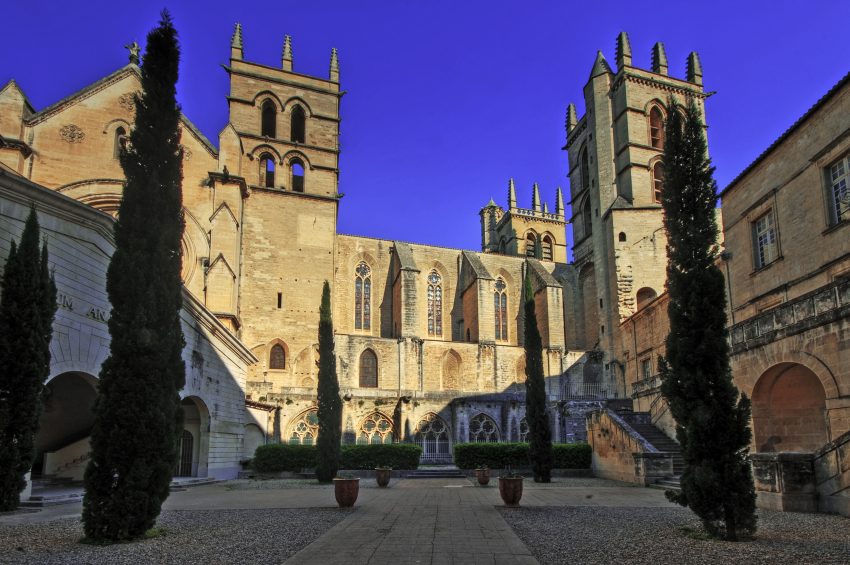
Montpellier Cathedral, officially Cathédrale Saint-Pierre, is the city's main cathedral and one of the most striking Gothic landmarks in southern France. Tucked into Montpellier's historic Écusson district, it feels both monumental and surprisingly intimate once you step inside, with stone vaults, stained glass, and a hush that contrasts with the lively streets nearby.
It's an easy highlight to add to a walking tour of the old town: pair it with a stroll through medieval lanes, a quick look at the cathedral's fortress-like porch and twin towers from the parvis, and nearby stops like the Jardin des Plantes or the Promenade du Peyrou for some of the best viewpoints in central Montpellier.
Table of Contents
- History and Significance of the Montpellier Cathedral
- Things to See and Do in the Montpellier Cathedral
- How to Get to the Montpellier Cathedral
- Practical Tips on Visiting the Montpellier Cathedral
- Where to Stay Close to the Montpellier Cathedral
- Is the Montpellier Cathedral Worth Visiting?
- For Different Travelers
- FAQs for Visiting Montpellier Cathedral
- Nearby Attractions to the Montpellier Cathedral
History and Significance of the Montpellier Cathedral
Montpellier Cathedral began life in the 14th century as a monastery chapel connected to the Benedictine monastery of Saint-Benoît-Saint-Germain. Its robust, almost defensive exterior is part of what makes it so memorable: the massive porch and towers give it a fortified look that's unusual for a cathedral and speaks to the region's turbulent past.
Over the centuries, the building endured periods of conflict and damage, especially during the Wars of Religion, and later restorations helped shape what you see today. That layered history is part of the visit: you’re not just looking at a single “perfect” moment in time, but a working place of worship that has been rebuilt, adapted, and cared for across generations.
Today, the cathedral remains a spiritual anchor for Montpellier while also serving as a cultural landmark for visitors. Even if you're not deeply into church history, the architecture alone makes it one of the city's most important stops.
Things to See and Do in the Montpellier Cathedral
Start outside on the parvis to take in the cathedral’s signature feature: the monumental porch framed by two cylindrical towers. It’s one of those façades that photographs well from multiple angles, so take a minute to circle the entrance and notice how the heavy stonework changes character with the light.
Inside, slow down and let your eyes adjust. Visitors often come away talking about the atmosphere: soft daylight through stained glass, a sense of calm, and the scale of the vaulted interior. If you’re lucky enough to visit around a service, the experience can feel especially moving, even if you’re simply observing respectfully.
Don’t miss the organ, a standout detail that many travelers find as impressive as the architecture itself. If parts of the interior feel quiet or minimally interpreted, treat it as a contemplative stop: sit for a few minutes, look upward at the vaulting, and enjoy a rare pocket of stillness in the city center.
How to Get to the Montpellier Cathedral
The nearest major airport is Montpellier Méditerranée Airport (MPL), with additional options in the region including Nîmes (FNI) and Marseille Provence (MRS). For the best deals and a seamless booking experience, check out these flights to Montpellier on Booking.com.
Montpellier is well-connected by rail, and arriving at Montpellier Saint-Roch station puts you within easy reach of the historic center by foot or tram. You can use SNCF Connect to check schedules, compare routes, and purchase tickets for National (SNCF ) and regional trains (TER). For a more streamlined experience, we recommend using Omio, which allows you to easily compare prices, schedules, and book tickets for both National and Regional travel across all of Europe, all in one place.
If you’re driving, aim for a central parking garage on the edge of the old town and walk the final stretch through the narrow streets, which can be restricted and slow for cars. If you are looking to rent a car in France I recommend having a look at Discover Cars, first, as they compare prices and review multiple car rental agencies for you.
Practical Tips on Visiting the Montpellier Cathedral
- Official website: https://cathedrale-saint-pierre-de-montpellier.culture.gouv.fr/
- Entrance fee: Free; donations appreciated.
- Opening hours: Monday – Friday: 10:30–12:00 & 14:30–18:30. Saturday: 14:30–18:30. Sunday: Closed.
- Best time to visit: Go mid-morning for good interior light, or later afternoon for a quieter feel; avoid arriving right before the midday closure.
- How long to spend: Plan 30–60 minutes for a relaxed visit, longer if you like architecture photography or want a quiet sit.
- Accessibility: The area around the cathedral is walkable but can involve uneven old-town paving; step-free access may be limited depending on which doors are open.
- Facilities: Expect limited visitor facilities inside; use cafés and restrooms in the surrounding Écusson district before or after your visit.
Where to Stay Close to the Montpellier Cathedral
Base yourself in Montpellier’s Écusson (historic center) for the easiest walking access to the cathedral, restaurants, and the city’s main sights.
Hôtel du Palais A small, characterful option close to the old town’s core, ideal if you want a local feel and quick walks to major landmarks.
Hôtel Oceania Le Métropole A convenient, comfortable pick near Montpellier Saint-Roch station, great for travelers arriving by train who still want to be close to the cathedral.
Pullman La Pléiade Montpellier Centre A polished, upscale stay near Place de la Comédie with strong amenities, good for travelers who want comfort plus easy sightseeing.
Hôtel Royal A practical mid-range choice in the center, useful if you want walkability without paying top-tier boutique prices.
Hôtel des Arceaux A quieter base slightly outside the busiest lanes, well-placed for combining the cathedral with Peyrou viewpoints and leafy neighborhood walks.
Is the Montpellier Cathedral Worth Visiting?
Yes, it's absolutely worth visiting if you're spending any time in central Montpellier. The cathedral's fortress-like exterior is unique, and the interior atmosphere, stained glass light, and sense of calm make it a memorable stop even for travelers who don't usually prioritize churches.
Honest Pivot: If you're short on time and prefer attractions with lots of exhibits or interactive interpretation, you may find the interior visit brief, especially if certain areas are closed or you arrive during the lunch break. In that case, enjoy the exterior and parvis on a walking route and focus your indoor time on a museum or guided tour instead.
What Other Travellers Say...

Reviews are strongly positive overall, highlighting a serene, uplifting atmosphere created by sunlight through stained glass and the cathedral’s impressive organ. Visitors also appreciate that it’s well maintained and rewarding to linger in, especially during services. Common downsides are practical rather than aesthetic: limited access to certain areas at times and closures around lunchtime, which can make the interior feel brief if you arrive at the wrong moment.


For Different Travelers
Montpellier Cathedral works well as a flexible stop: you can keep it quick (10 minutes outside), or slow down for a more reflective visit. It also pairs easily with nearby highlights, so it rarely feels like a detour.
Families with Kids
For families, the cathedral is best approached as a short, high-impact visit: big architecture, tall towers, and a “castle-like” exterior that sparks curiosity. Keep expectations simple and focus on a few details like the entrance porch and the way light changes inside.
Plan a follow-up treat nearby (ice cream or a snack in the old town) so kids associate the quiet interior with a fun next stop. If you’re visiting with a stroller, be ready for old-town paving and potential steps at entrances.
Couples & Romantic Getaways
Couples tend to love the cathedral for its atmosphere: soft light, quiet corners, and a sense of stepping out of the city’s buzz for a moment. It’s an easy add-on before an apéritif in the Écusson or a sunset walk toward Peyrou.
For a more memorable moment, time your visit when the interior is calm and linger for a few minutes in silence. Even a brief stop can feel special when paired with a slow walking route through the medieval lanes.
Budget Travelers
This is a strong budget-friendly sight: you can get a meaningful cultural experience without needing a ticket. It also sits in a part of town that rewards wandering, so you can build a full afternoon around free walking and viewpoints.
To keep costs down, combine the cathedral with nearby public spaces like Peyrou and the Jardin des Plantes, and grab bakery snacks rather than a sit-down meal. Just remember the midday closure so you don’t waste time arriving when doors are shut.
History Buffs
History lovers will appreciate how the cathedral reflects Montpellier’s religious and civic story, including periods of conflict and restoration. The fortified look isn’t just aesthetic; it hints at the realities of the era in which it evolved.
To deepen the context, pair the visit with nearby historic institutions and streets in the Écusson, and consider a guided walk that explains the cathedral’s place in the city’s medieval fabric.
FAQs for Visiting Montpellier Cathedral
Getting There
Tickets & Entry
Visiting Experience
Tours, Context & Itineraries
Photography
Accessibility & Facilities
Food & Breaks Nearby
Safety & Timing
Nearby Attractions to the Montpellier Cathedral
- Faculty of Medicine (Université de Montpellier): A historic neighbor with deep ties to the city's intellectual life and a great add-on for culture lovers.
- Jardin des Plantes de Montpellier: A peaceful botanical garden for a green break a short walk away.
- Promenade du Peyrou: A grand terrace and promenade with open views and classic Montpellier photo spots.
- Arc de Triomphe (Porte du Peyrou): An elegant monument marking the entrance to the Peyrou area and a quick, worthwhile stop.
- Place de la Canourgue: One of the prettiest small squares in the old town, perfect for a quiet pause and people-watching.
The Montpellier Cathedral appears in our Complete Guide to Visiting Montpellier!

Moira & Andy
Hey! We're Moira & Andy. From hiking the Camino to trips around Europe in Bert our campervan — we've been traveling together since retirement in 2020!
This website uses affiliate links which may earn a commission at no additional cost to you!
Planning Your Visit
Monday - Friday: 10:30-12:00 & 14:30-18:30.
Saturday: 14:30-18:30.
Sunday: Closed.
Free; donations appreciated.
Nearby Attractions
- Atger Museum (0.1) km
Historic Building, Historic Room and Museum - Place de la Canourgue (0.1) km
Area, Historic Site and Square - Plant Garden (0.2) km
Gardens and Park - Palace of Justice (0.2) km
Attraction, Historic Building and Historic Site - Rue Foch (0.2) km
Area, Street and Walk - Porte du Peyrou (0.2) km
Historic Building, Monument and Viewing Point - Promenade du Peyrou (0.3) km
Promenade, Square and Viewing Point - Church of Saint Anne & Carre Saint Anne Gallery (0.3) km
Arts Venue, Church and Gallery - Prefecture of Hérault (0.3) km
Attraction, Historic Building and Notable Building - Les Ursulines (0.3) km
Arts Venue, Historic Building and Theatre