Monastery of St. Francis of Assisi, Zadar
Historic Building, Monastery and Religious Building in Zadar
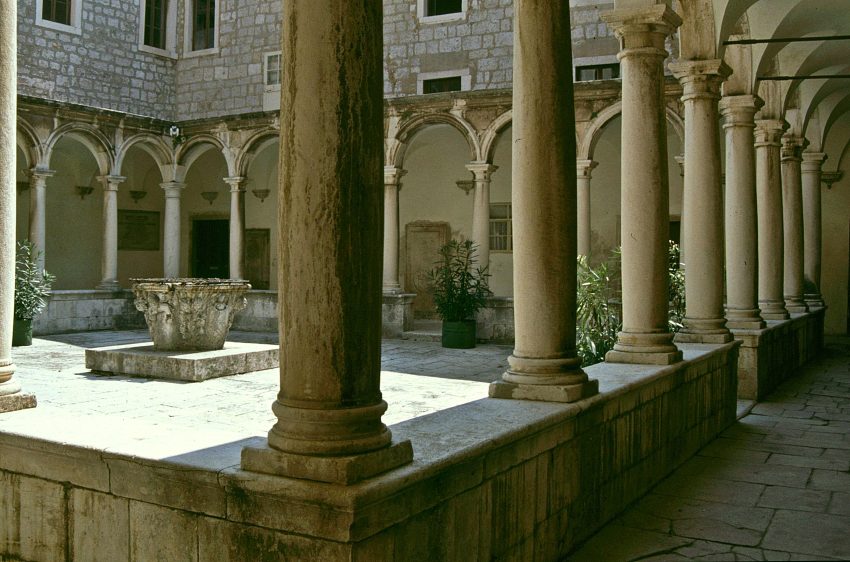
Tucked into Zadar's Old Town peninsula, the Monastery of St. Francis of Assisi is one of the city's most atmospheric religious complexes, pairing a historic church with a quiet cloister and a small treasury-style museum. It's an easy, rewarding stop when you want a break from the waterfront crowds and a deeper sense of Zadar's layered past.
Because it sits right in the walkable historic core, it fits naturally into a self-guided stroll or a guided walking tour that also covers the Roman Forum, St. Donatus, and the Sea Organ. If you're choosing just a few “best places to see” in Zadar beyond the headline sights, this monastery is a strong pick for architecture, calm, and context.
Table of Contents
- History and Significance of the Monastery of St. Francis of Assisi
- Things to See and Do in the Monastery of St. Francis of Assisi
- How to Get to the Monastery of St. Francis of Assisi
- Practical Tips on Visiting the Monastery of St. Francis of Assisi
- Where to Stay Close to the Monastery of St. Francis of Assisi
- Is the Monastery of St. Francis of Assisi Worth Visiting?
- For Different Travelers
- FAQs for Visiting Monastery of St. Francis of Assisi
- Nearby Attractions to the Monastery of St. Francis of Assisi
History and Significance of the Monastery of St. Francis of Assisi
The Monastery of St. Francis of Assisi is closely tied to Zadar's medieval identity, when the city was a strategic Adriatic hub shaped by shifting powers and maritime trade. The complex is especially meaningful for travelers who like places where history isn't only displayed on plaques, but still feels present in the stonework, layout, and lived-in atmosphere.
Architecturally, the church is often associated with early Gothic forms in Dalmatia, while later centuries added layers of Renaissance and Baroque detail. That mix is part of the appeal: you’re not looking at a single “frozen” era, but a building that evolved alongside the city.
Beyond art and architecture, the monastery's significance also comes from its role as a civic and spiritual landmark in Zadar's Old Town. Even if you're not visiting for religious reasons, it's a place that helps explain how Zadar developed and why the peninsula's streets and squares feel so historically dense.
Things to See and Do in the Monastery of St. Francis of Assisi
Start with the church interior, where the mood is typically subdued and contemplative compared with Zadar’s busier monuments. Look for the interplay of older structural lines with later decorative additions, and take a moment to notice how the space is designed for both ceremony and quiet reflection.
If the treasury/museum visit is available during your trip, it’s the highlight for many visitors: a compact collection that rewards slow looking rather than rushing. Because it’s smaller than a major city museum, it’s ideal when you want something meaningful but time-efficient.
Don’t skip the cloister if it’s accessible during your visit. The cloister is often the most memorable part of monastery visits in Dalmatia: shaded, peaceful, and photogenic in a restrained way, especially when the Old Town outside is at peak midday heat.
How to Get to the Monastery of St. Francis of Assisi
The nearest airport is Zadar Airport (ZAD), with Split Airport (SPU) as a useful alternative if you're building a wider Dalmatian itinerary. For the best deals and a seamless booking experience, check out these flights to Zadar on Booking.com.
Zadar doesn't have the same long-distance rail convenience as some European hubs, so most travelers arrive by bus from major Croatian cities; if you do use trains, you'll typically connect via larger rail nodes and then continue by bus to Zadar. Train schedules and bookings can be found on Omio.
By car, Zadar is straightforward to reach via Croatia's motorway network, but once you arrive you'll want to park outside (or at the edge of) the Old Town and continue on foot into the peninsula.
Practical Tips on Visiting the Monastery of St. Francis of Assisi
- Official website: https://svetifrane.wixsite.com/sveti-frane
- Entrance fee: Adults: €5; Groups (adults): €4; Children/Students: €2.50; Groups (children/students): €2.
- Opening hours: Monday – Friday: 10:00–14:00.
- Best time to visit: Aim for late morning on a weekday if you want a quieter, more contemplative feel and fewer tour groups. In summer, visiting earlier helps you avoid the hottest part of the day in the Old Town.
- How long to spend: Plan 30–60 minutes for a relaxed look, longer if you enjoy reading interpretive notes and lingering in the cloister. It also pairs well with a nearby coffee stop afterward.
- Accessibility: Expect historic surfaces and potential steps, especially around older sections like the cloister and museum areas. If step-free access is important, confirm arrangements before you go.
- Facilities: Facilities are limited compared with large museums, so treat this as a focused cultural stop rather than a full-service attraction. Bring water in warm months and plan restrooms and snacks elsewhere in the Old Town.
Where to Stay Close to the Monastery of St. Francis of Assisi
Base yourself in Zadar Old Town (the peninsula) if you want to walk everywhere and enjoy the best evening atmosphere without needing transport.
Hotel Bastion Chosen for its heritage feel and prime Old Town location, making it easy to visit the monastery early and return for a rest between sights.
Art Hotel Kalelarga A great pick if you want boutique design right on Zadar’s most famous street, with a short, scenic walk to the monastery and other headline landmarks.
Almayer Art & Heritage Hotel Included for travelers who like small, curated stays with a strong sense of place, ideal for a quieter Old Town base near cultural sights.
Hotel A’mare A smart option if you want a modern hotel just outside the Old Town’s tight lanes, balancing easy access with simpler arrivals and departures.
Hotel Kolovare Best for beach-adjacent comfort and a more resort-like feel while still being a quick ride (or longer walk) to the monastery and the peninsula’s sights.
Is the Monastery of St. Francis of Assisi Worth Visiting?
Yes, especially if you enjoy historic spaces that feel calm and authentic rather than purely “touristic.” It’s a compact visit with a strong atmosphere, and it complements Zadar’s big-ticket stops by adding a quieter, more reflective layer to your day.
Honest Pivot: If you're short on time and only want Zadar's most iconic photo spots, you might prefer to focus on the Sea Organ, Greeting to the Sun, and the Roman Forum area instead. Also skip it if you're looking for a large, highly interactive museum experience, as the appeal here is subtle and contemplative.
What Other Travellers Say...


For Different Travelers
Different travelers take different things from this monastery, but most appreciate it as a slower, more grounded counterpoint to Zadar’s waterfront buzz. Think of it as a “reset stop” that still delivers real history.
Families with Kids
For families, the visit works best as a short, calm cultural break rather than a long deep-dive. Kids who like “treasure” displays and old buildings may enjoy the museum aspect more than the church itself.
Pair it with a simple Old Town scavenger-hunt style walk (spot arches, stone carvings, and courtyards) to keep attention high. Plan a nearby gelato stop afterward to end on an easy win.
Couples & Romantic Getaways
Couples will likely enjoy the quiet, intimate feel, especially if you visit when the Old Town streets are busiest and you want a peaceful pocket of space. The cloister and the surrounding lanes can feel especially atmospheric in softer light.
It's also a good “context stop” before a sunset walk to the Sea Organ, helping your day feel more balanced: history and calm first, then the waterfront spectacle later.
Budget Travelers
Budget travelers will appreciate that this is a relatively low-cost cultural visit compared with many paid attractions. It’s also easy to reach on foot from almost anywhere in the Old Town, so you won’t need transport.
To stretch your day, combine it with other free nearby highlights like city walls viewpoints, churches you can enter freely, and long walks along the peninsula’s edges.
History Buffs
History buffs should treat this as more than a quick look-in: the monastery is a strong lens on medieval Zadar and the city's long religious and civic continuity. Even small details in the architecture can hint at changing styles and priorities over centuries.
Build a mini-itinerary around it by linking nearby Roman and Venetian-era sites, then finishing with modern Zadar landmarks on the waterfront for a satisfying timeline-in-one-day experience.
FAQs for Visiting Monastery of St. Francis of Assisi
Getting There
Tickets & Entry
Visiting Experience
Tours, Context & Itineraries
Photography
Accessibility & Facilities
Food & Breaks Nearby
Safety & Timing
Nearby Attractions to the Monastery of St. Francis of Assisi
- Roman Forum: The heart of ancient Zadar, ideal for understanding the city's Roman foundations.
- Church of St. Donatus: Zadar's iconic circular church and one of the most recognizable historic buildings in the Old Town.
- Cathedral of St. Anastasia: A major religious landmark with a prominent presence near the central historic cluster.
- Sea Organ: A waterfront installation that turns waves into sound, best experienced near sunset.
- Greeting to the Sun: A solar-powered light circle that comes alive after dark, perfect for an evening stroll.
The Monastery of St. Francis of Assisi appears in our Complete Guide to Visiting Zadar!

Moira & Andy
Hey! We're Moira & Andy. From hiking the Camino to trips around Europe in Bert our campervan — we've been traveling together since retirement in 2020!
This website uses affiliate links which may earn a commission at no additional cost to you!
Planning Your Visit
Monday - Friday: 10:00-14:00.
Adults: €5; Groups (adults): €4; Children/Students: €2.50; Groups (children/students): €2.
Nearby Attractions
- Zadar Cathedral (0.1) km
Cathedral, Tower and Viewing Point - The Roman Forum (0.2) km
Historic Site, Roman Site and Ruins - The Promenade (0.2) km
City Walls, Promenade and Viewing Point - Church of St. Donatus (0.2) km
Church, Historic Building and Historic Site - Bell Tower (0.2) km
Historic Site, Tower and Viewing Point - Archaeological Museum of Zadar (0.2) km
Attraction and Museum - Sea Organ (0.2) km
Arts Venue, Attraction and Promenade - Greeting to the Sun (0.3) km
Attraction, Monument and Sculpture - Church of St. Chrysogonus (0.3) km
Basilica, Church and Religious Building - City Sentinel (0.5) km
Attraction, City Walls and Viewing Point