Roman Ruins of Milreu, Faro
Roman Site in Faro
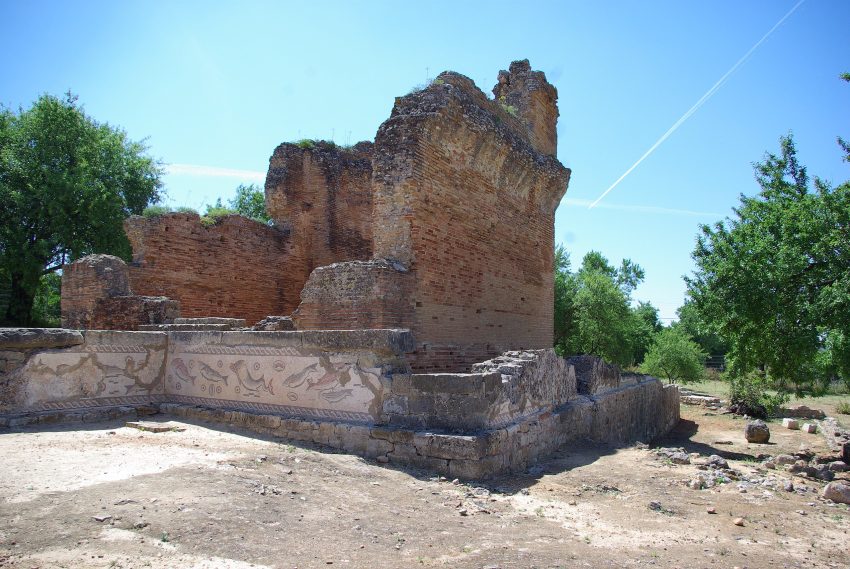
The Roman Ruins of Milreu offer a captivating look into the ancient heritage of the Algarve and the daily rhythms of life in Roman-era Ossonoba. Situated just outside Faro near the village of Estoi, Milreu was once a thriving 1st-5th century villa complex complete with luxurious living quarters, agricultural buildings, and thermal baths. Its mosaics, architecture, and peaceful rural setting make it one of the top attractions in Faro for history enthusiasts and casual explorers alike.
As you wander through the site, the villa's grand scale becomes clear. Mosaic floors decorated with geometric and mythological designs reveal the refined tastes of its wealthy inhabitants, while the remains of the baths show the importance of hygiene, relaxation, and socializing in Roman culture. Seasonal tours and well-placed information panels enrich the visit, making Milreu a highlight of any tour of Faro that extends into the surrounding countryside.
Table of Contents
- History and Significance of the Roman Ruins of Milreu
- Things to See and Do in the Roman Ruins of Milreu
- How to Get to the Roman Ruins of Milreu
- Practical Tips on Visiting the Roman Ruins of Milreu
- Where to Stay close to the Roman Ruins of Milreu
- Is the Roman Ruins of Milreu Worth Visiting?
- FAQs for Visiting the Roman Ruins of Milreu
- Nearby Attractions to the Roman Ruins of Milreu
History and Significance of the Roman Ruins of Milreu
Milreu developed as a prosperous Roman villa around the 1st century AD, likely belonging to a wealthy landowner who oversaw extensive agricultural holdings. Over the centuries, the villa expanded into a complex estate that included residential areas, farm structures, and a luxurious bathing facility. Its layout reflects the organization and values of Roman provincial life, blending functionality with architectural beauty.
After the decline of Roman rule, parts of the villa were adapted by later inhabitants, including early Christian communities and later Moorish settlers. These layers of occupation highlight Milreu's long-standing importance as a rural hub in the Algarve. Excavations in the 20th century revealed mosaics, foundations, and structural elements that offer one of the clearest glimpses of Roman life in southern Portugal.
Things to See and Do in the Roman Ruins of Milreu
The mosaics are the standout feature of Milreu. Their intricate patterns and mythological scenes, preserved in situ, display remarkable craftsmanship and provide insight into the artistic sensibilities of the Roman elite. Visitors can walk along designated paths to view several of these mosaics up close.
The thermal baths are another fascinating component. You can identify the caldarium, tepidarium, and frigidarium, as well as remnants of the hypocaust heating system that once warmed the rooms. The estate’s agricultural areas and temple-like structure add to the understanding of life on a Roman villa, offering a full picture of the site’s scale and organization.
How to Get to the Roman Ruins of Milreu
Milreu is located near the village of Estoi, just a short distance from Faro. The nearest airport is Faro Airport, which provides excellent access to the region. For the best deals and a seamless booking experience, check out these flights to Faro on Booking.com.
Travelers arriving by train can reach Faro’s main railway station and continue to Estoi by taxi or local bus, making Milreu an easy historical excursion from the city. Train schedules and bookings can be found on Omio.
If traveling by car, the drive from Faro to Milreu takes around 15 minutes, with parking available near the entrance to the archaeological site. If you are looking to rent a car in Portugal I recommend having a look at Discover Cars, first, as they compare prices and review multiple car rental agencies for you.
Practical Tips on Visiting the Roman Ruins of Milreu
- Best time to visit the Roman Ruins of Milreu: Spring and early autumn for comfortable temperatures and lush countryside views.
- Entrance fee in Euros: A modest admission fee applies, with discounts for children, seniors, and families.
- Opening hours: Typically open daily, though hours may vary seasonally.
- Official website: Check regional cultural heritage pages for updated information.
- How long to spend: Around 60 minutes to explore the site at a relaxed pace.
- Accessibility: Some uneven ground; wear comfortable shoes.
- Facilities: Small visitor center, restrooms, and information panels.
- Photography tip: Capture the mosaics in mid-morning or late afternoon light for best definition.
- Guided tours: Seasonal tours offer deeper insight into the villa’s history and excavations.
- Nearby food options: Estoi village offers cafés and small restaurants.
Where to Stay close to the Roman Ruins of Milreu
Staying in nearby Estoi or central Faro offers easy access to Milreu. Pousada Palácio de Estoi provides an elegant stay in a restored palace just minutes from the ruins. For visitors based in Faro, Hotel Faro & Beach Club offers comfort and easy access to transport links. Faro Boutique Hotel provides a stylish boutique option within short driving distance.
Is the Roman Ruins of Milreu Worth Visiting?
Absolutely. Milreu is one of the Algarve’s most compelling archaeological sites, offering a rare look into Roman provincial life through its mosaics, baths, and architectural remains. Combined with its peaceful rural setting, it provides a memorable and enriching experience for visitors of all interests.
What Other Travellers Say...

Roman Ruins of Milreu in Estoi is an easily walkable archaeological site centered on the remains of a Roman villa, where well-preserved mosaics, baths and farm structures can be explored via clear signage and a small on-site museum; visitors note affordable admission, free parking nearby, accessibility for less-mobile guests, and that you can spend around an hour wandering the excavated areas and appreciating the tilework and preserved farmhouse above the ruins.


FAQs for Visiting the Roman Ruins of Milreu
Nearby Attractions to the Roman Ruins of Milreu
- Palácio de Estoi: A romantic 19th-century palace with ornate gardens.
- Estoi Village: Charming streets, cafés, and local culture.
- Ria Formosa Lagoon: Ideal for birdwatching and boat tours.
- Faro Old Town: Historic squares, museums, and medieval walls.
- Igreja do Carmo: Known for its striking Chapel of Bones in central Faro.
The Roman Ruins of Milreu appears in our Complete Guide to Visiting Faro!

Moira & Andy
Hey! We're Moira & Andy. From hiking the Camino to trips around Europe in Bert our campervan — we've been traveling together since retirement in 2020!
This website uses affiliate links which may earn a commission at no additional cost to you!
Planning Your Visit
May-September: Tuesday to Sunday 10.00-1.00 p.m. and 2.00 p.m.-6.00 p.m
October-April: Tuesday to Sunday 9.00 p.m.-1.00 p.m.-2.00 p.m.-5.00 p.m
€2.00
Nearby Attractions
- Palácio de Estoi (0.8) km
Hotel and Palace - Igreja do Carmo (8.7) km
Church - Teatro Lethes (8.8) km
Theatre - Igreja de São Pedro (8.9) km
Church - Museu Regional do Algarve (9.1) km
Museum - Faro Maritime Museum (9.2) km
Museum - Faro Marina (9.2) km
Port - Arco da Vila (9.3) km
City Gate - Palacete Belmarço (9.3) km
Palace - Town Hall (9.4) km
Town Hall