Lion Monument, Lucerne
Statue in Lucerne

Tucked into a sandstone cliff above a tranquil pond, the Lion Monument or Löwendenkmal feels surprisingly intimate given its fame and the stream of visitors who come to see it. The sculpture shows a dying lion, pierced by a spear yet still sheltering a shield with the fleur-de-lis of the French monarchy, a powerful tribute to the Swiss Guards killed defending the Tuileries Palace in 1792. Even on a busy day, there is usually a moment when the crowd falls quiet, and you understand why Mark Twain called it “the most mournful and moving piece of stone in the world.”
Created from a design by Danish sculptor Bertel Thorvaldsen and carved by Lukas Ahorn in the early 1820s, the Lion Monument has become one of the must-see places in Lucerne, drawing well over a million visitors each year. Yet it still feels like a reflective corner of the city rather than just another photo stop: benches face the water, trees frame the rock face, and the simple inscription above the lion, “HELVETIORUM FIDEI AC VIRTUTI” (“To the loyalty and bravery of the Swiss”), keeps the focus on sacrifice rather than spectacle. It's a highlight of any walking tour of Lucerne, especially if you linger long enough to appreciate the detail and emotion carved into the lion's face.
History and Significance of Lion Monument
The story behind the Lion Monument begins with the Swiss Guards, elite soldiers who served as protectors of the French royal family. On 10 August 1792, revolutionaries stormed the Tuileries Palace in Paris, and the Guards-sworn to defend the king-stood their ground. Hundreds were killed or later executed, a tragedy that resonated deeply in Switzerland, where many communities had long traditions of military service abroad. Nearly three decades later, former officers and sympathisers commissioned a memorial in Lucerne to honour their fallen comrades.
Thorvaldsen’s design and Ahorn’s carving translated this history into a single, unforgettable image: a mortally wounded lion, lying in a rocky niche, its paw resting on the Bourbon shield while a second shield bears the Swiss cross. The lion’s expression-half defiant, half resigned-captures both loyalty and loss, turning political history into something universally human. Names of officers and an indication of the number of soldiers killed or missing are inscribed beneath, grounding the monument in specific lives rather than an abstract idea of heroism.
Over time, the Lion Monument has taken on layers of meaning beyond its original purpose. For many visitors it is a meditation on the cost of loyalty, the tragedy of war and the vulnerability behind military glory. Its designation as a Swiss national treasure underscores how an artwork originally tied to a particular historical episode has become part of the country's cultural identity. Standing quietly by the pond, you sense that the monument's power lies not only in its artistic quality, but in how directly it speaks to themes of courage, sacrifice and grief that remain relevant today.
Things to See and Do in Lion Monument
The main draw is, of course, the sculpture itself, and the best way to appreciate it is to take your time. Approach the viewing area directly opposite the rock face, then step back and forth to see how the lion’s form emerges from the rough-hewn niche. Up close, you notice details like the texture of the mane, the spear lodged in the lion’s side and the careful carving of the shields; from further away, the whole scene reads as a single, dramatic tableau reflected in the pond below.
After you’ve taken in the overall impression, move along the edge of the water and view the monument from slightly different angles. Changes in light over the course of the day can alter the mood-from soft, early-morning sadness to more dramatic contrasts in late afternoon-so it’s worth lingering if you have time. Information panels help place the monument in its historical context, and many visitors find it meaningful to read the inscription and the list of names before returning to look at the lion once more.
The small park around the monument is also a pleasant place to pause between sightseeing stops. Benches and trees make it easy to sit and reflect, and the pond provides a calm counterpoint to the busy streets just beyond. Because the monument is within walking distance of Lucerne's Old Town, you can easily combine it with Chapel Bridge, the lakefront promenade or the Musegg Wall, turning it into a thoughtful stop amid more lively city experiences.
How to Get to Lion Monument
Most international visitors arrive via Zurich Airport, about an hour from Lucerne by direct train or car, making it an easy gateway for a day trip or short stay in the city. For the best deals and a seamless booking experience, check out these flights to Lucerne on Booking.com. Basel-Mulhouse EuroAirport is another option if you’re touring northern Switzerland and plan to include Lucerne on a broader itinerary. For the best deals and a seamless booking experience, check out these flights to Lucerne on Booking.com.
From Lucerne's main railway station, the Lion Monument is an easy 15-20 minute walk through the Old Town and along well-signed streets, so you can comfortably reach it on foot after arriving by train or regional bus. Train schedules and bookings can be found on Omio. The route takes you past shops, cafés and parts of the lakeside, making the journey itself a pleasant introduction to the city.
If you are travelling by car, you can use one of Lucerne’s central car parks and then walk to the monument, or follow local signs to parking areas a short stroll away in the surrounding neighbourhood. Walking the final section lets you experience the quieter residential streets and gradual reveal of the rock face as you approach the site.
Practical Tips on Visiting Lion Monument
- Suggested tips: Give yourself time to simply stand and look; the emotional impact of the monument often grows the longer you spend with it, especially once the tour groups move on.
- Best time to visit: Early morning and late afternoon tend to be quieter and offer softer, more atmospheric light, while midday can be busier with coach groups.
- Entrance fee: Visiting the Lion Monument is free; you only need to budget for transport and perhaps a guided walking tour if you want more context.
- Opening hours: The monument is in an open park accessible at all hours, though visiting in daylight is recommended to fully appreciate the sculpture.
- Official website: https://www.luzern.com
- How long to spend: Around 20-40 minutes is usually enough to view the monument from different angles, read the plaques and spend a few quiet moments reflecting.
- Accessibility: The approach to the viewing area is fairly level and suitable for most visitors, though surfaces can be slightly uneven in places; those with limited mobility should still find it manageable with care.
- Facilities: There are benches and green space by the pond, and cafés, shops and public toilets can be found within a short walk in the surrounding streets and towards the lakefront.
- Photography tip: Stand to one side of the central viewpoint to capture the lion, its reflection and surrounding greenery in a single frame; visiting outside peak tour times makes it easier to avoid crowds in your shots.
- Guided tours: Many Lucerne city walking tours include the Lion Monument, offering extra insight into its symbolism, the Swiss Guards' story and Mark Twain's impressions.
- Nearby food options: You’ll find bakeries, cafés and casual restaurants in the nearby neighbourhood and back towards the Old Town, making it easy to combine your visit with a coffee or meal stop.
Where to Stay close to Lion Monument
If you want to stay within a short stroll of the Lion Monument while still being close to the lake and Old Town, Hotel De la Paix is a comfortable option with a local feel and easy access on foot to most major sights. For travellers who like a touch of classic elegance, Grand Hotel Europe sits along the lakeside promenade, offering generous rooms and fine views while remaining a pleasant walk from the monument and city centre. If you prefer a boutique stay, Hotel Hofgarten places you in a quieter corner near the lakeshore and within easy walking distance of both the Lion Monument and the historic core.
Is Lion Monument Worth Visiting?
Yes, the Lion Monument is very much worth visiting, especially if you're interested in places where art and history intersect in a powerful way. The sculpture's emotional impact is immediate, but it also rewards closer study and reflection, making it more than just a quick photo stop. Combined with its peaceful setting and convenient location a short walk from Lucerne's main sights, it offers a moving contrast to the city's busier, more picturesque spots and helps you connect with a deeper layer of Swiss and European history.
What Other Travellers Say...

Lion Monument, at Denkmalstrasse 4 in Lucerne, is a rock-carved sculpture of a dying lion honoring Swiss guards killed defending the Tuileries; visitors describe a lifelike, highly detailed carving set in a shaded, tranquil spot with a small reflecting pool, trees, flowers, benches and interpretive signs, easy to find and reachable by a short walk, with visits typically taking only a few minutes and no tickets required.


FAQs for Visiting Lion Monument
Nearby Attractions to Lion Monument
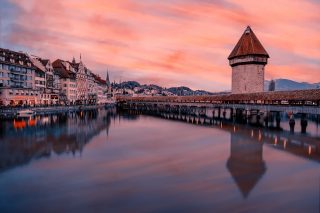
- Chapel Bridge and Water Tower - Lucerne's iconic covered bridge and octagonal tower spanning the Reuss, perfect for combining with a visit to the monument.
- Old Town Lucerne - A charming district of cobbled streets, painted façades and lively squares just a short walk away.
- Lake Lucerne promenade - Scenic paths along the lakefront with benches, boat piers and views towards the surrounding mountains.
- Glacier Garden (Gletschergarten) - Geological formations, museum exhibits and a mirror maze located very close to the Lion Monument.
- Musegg Wall and Towers - Preserved sections of the old city fortifications with towers you can climb in season for sweeping views over Lucerne and the lake.
The Lion Monument appears in our Complete Guide to Visiting Lucerne!

Moira & Andy
Hey! We're Moira & Andy. From hiking the Camino to trips around Europe in Bert our campervan — we've been traveling together since retirement in 2020!
This website uses affiliate links which may earn a commission at no additional cost to you!
Planning Your Visit
The monument is in an open park accessible at all hours, though visiting in daylight is recommended to fully appreciate the sculpture.
Visiting the Lion Monument is free; you only need to budget for transport and perhaps a guided walking tour if you want more context.
Nearby Attractions
- Glacier Garden (0.1) km
Museum - Bourbaki Panorama (0.2) km
Arts Venue and Museum - Hofkirche St. Leodegar (0.4) km
Church - Museggmauer (Musegg Wall) (0.6) km
City Gate and City Walls - Fritschi Fountain (0.7) km
Fountain - Peter's Chapel (0.7) km
Church - Chapel Bridge and Water Tower (0.8) km
Bridge - Hirschenplatz (0.8) km
Square - Kornmarkt (0.8) km
Square - Lucerne Town Hall (0.8) km
Town Hall