Jesuit Chapel, Carcassonne
Arts Venue, Church and Religious Building in Carcassonne
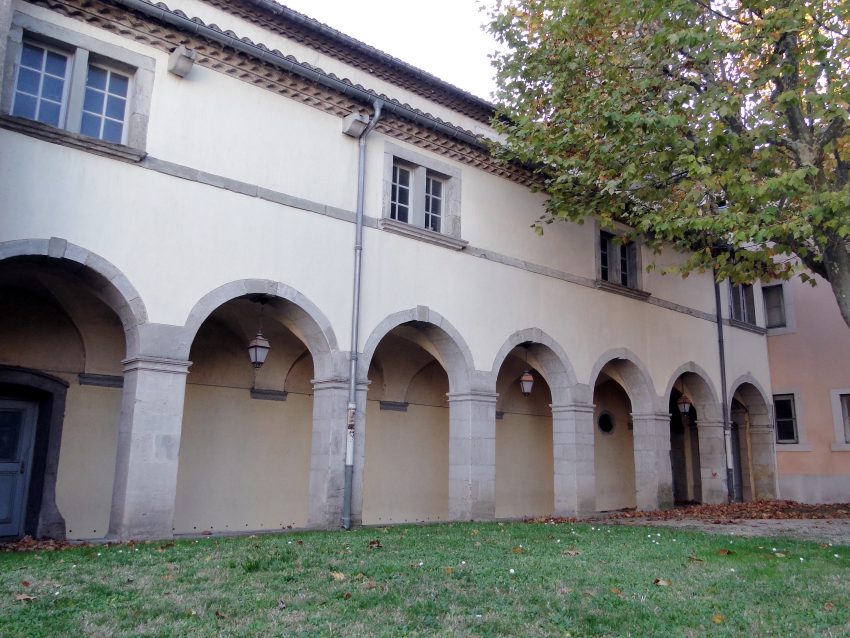
Tucked into Carcassonne's lower town (the Bastide Saint-Louis), the Jesuit Chapel is a beautifully restored 17th-century religious building that now doubles as a cultural venue for concerts and events. Even if you're primarily in town for the famous hilltop Cité, this chapel is an easy add-on when you want something atmospheric away from the busiest medieval lanes.
It's especially rewarding to include on a walking tour that links Place Carnot, the Bastide's grid of streets, and the Canal du Midi, or as a “between sights” stop before heading up to the fortified city. If you're choosing the best places to see in Carcassonne beyond the ramparts, the Jesuit Chapel is a strong pick for architecture lovers and anyone who enjoys quieter, local-feeling spaces.
Table of Contents
- History and Significance of the Jesuit Chapel
- Things to See and Do in the Jesuit Chapel
- How to Get to the Jesuit Chapel
- Practical Tips on Visiting the Jesuit Chapel
- Where to Stay Close to the Jesuit Chapel
- Is the Jesuit Chapel Worth Visiting?
- For Different Travelers
- FAQs for Visiting Jesuit Chapel
- Nearby Attractions to the Jesuit Chapel
History and Significance of the Jesuit Chapel
The Jesuit Chapel was built as part of the Jesuit college in Carcassonne, with construction beginning in the 1640s and the building consecrated in the 1660s. Its origins are tied to the Jesuits' historic role in education, scholarship, and civic life, which is why the chapel's story is closely linked to the surrounding school complex.
Over time, the site’s purpose shifted. It was adapted for cultural use, including periods when it served as an exhibition space, before falling into neglect for decades. A major restoration around 2000 brought the chapel back to life, preserving its character while making it usable for modern programming.
Today, its significance is twofold: it’s a rare, well-preserved example of Baroque religious architecture in the Bastide, and it’s also a living venue that hosts concerts and cultural events, letting visitors experience the building as an active part of the city rather than a static monument.
Things to See and Do in the Jesuit Chapel
Start by looking up: the chapel is known for its Baroque interior elements, including a coffered, curved ceiling with geometric detailing that gives the space a warm, theatrical feel. The galleries and balustrades add to that “auditorium” character, which makes sense given its current role as a performance venue.
Make time for the chancel area, where you can often spot a painted altarpiece (retable) and other restored decorative features that hint at how richly appointed the chapel once was. The exterior is also worth a slow lap, especially the octagonal bell tower and the portal, which help you read the building’s phases and later additions.
If you can, plan your visit around a concert or scheduled event. The chapel’s reputation today is strongly tied to its acoustics and intimate scale, and experiencing it during a performance is often the most memorable way to understand why the restoration mattered.
How to Get to the Jesuit Chapel
The nearest airports are Carcassonne Airport (Salvaza) for limited routes, plus Toulouse-Blagnac Airport for the widest range of flights and onward connections. For the best deals and a seamless booking experience, check out these flights to Carcassonne on Booking.com.
Carcassonne is easy to reach by train, with services into Carcassonne station and a straightforward walk or short taxi/bus ride into the Bastide Saint-Louis. You can use SNCF Connect to check schedules, compare routes, and purchase tickets for National (SNCF ) and regional trains (TER). For a more streamlined experience, we recommend using Omio, which allows you to easily compare prices, schedules, and book tickets for both National and Regional travel across all of Europe, all in one place.
If you're driving, the A61 motorway connects Carcassonne with Toulouse, Narbonne, and the wider Occitanie region, and you can park in central Bastide car parks before walking to Rue des Études. If you are looking to rent a car in France I recommend having a look at Discover Cars, first, as they compare prices and review multiple car rental agencies for you.
Practical Tips on Visiting the Jesuit Chapel
- Official website: https://www.carcassonne.org/article-page/chapelle-des-jesuites
- Entrance fee: Free; donations appreciated.
- Opening hours: Check official website.
- Best time to visit: Aim for a scheduled concert or cultural event, or go earlier in the day if you’re pairing it with a Bastide walking loop.
- How long to spend: Plan 15–30 minutes for a quick architectural look, or 60–120 minutes if you’re attending a performance.
- Accessibility: Access can vary depending on event setup; if you need step-free entry, confirm arrangements with the venue ahead of time.
- Facilities: As a small venue, on-site facilities may be limited outside event times; you'll find cafés, restrooms, and services nearby around Place Carnot.
Where to Stay Close to the Jesuit Chapel
Base yourself in the Bastide Saint-Louis (lower town) if you want the easiest access to restaurants, everyday Carcassonne life, and a simple walk to the Jesuit Chapel.
Hôtel de la Cité Carcassonne - MGallery A splurge pick inside the medieval Cité for travelers who want a once-in-a-lifetime setting; it’s ideal if your itinerary centers on sunrise/sunset walks on the ramparts.
Hôtel Le Donjon - Coeur de la Cité A strong in-the-walls option with classic Carcassonne atmosphere, great for couples who want to step straight into the Cité's lanes before day-trippers arrive.
Tribe Carcassonne A modern, design-forward stay near the river that works well for travelers who like contemporary comfort and an easy walk between the Bastide and the Cité.
Hôtel du Pont Vieux A dependable mid-range choice in a convenient location for walking everywhere; it’s especially handy if you want to bounce between the Bastide and the medieval city without relying on transport.
Hôtel Les Trois Couronnes A comfort-focused option with a prime riverside position; choose it for views and a relaxed base that still keeps you close to both historic districts.
Is the Jesuit Chapel Worth Visiting?
Yes, if you enjoy architecture, restoration stories, and places that feel local rather than “checklist famous.” The Jesuit Chapel is a rewarding counterpoint to the medieval spectacle of the Cité: it's calmer, more intimate, and gives you a different slice of Carcassonne's history.
Honest Pivot: if your time is extremely tight and you're only in Carcassonne for the ramparts, château, and big postcard views, you can skip it without regret. It's best for travelers who like stepping into lesser-known interiors or who can time their visit with a concert.
What Other Travellers Say...

Reviews are overwhelmingly positive, with visitors highlighting a peaceful, respectful atmosphere and the chance to enjoy the space without constant noise. Many mention impressive architecture and especially striking stained glass, plus the value of free entry and how well it fits into a walking tour of the historic area. The most common downside is that it can feel more solemn and rule-bound than other stops (quiet is expected), and the experience may be brief if you're not attending a service or guided visit.


For Different Travelers
The Jesuit Chapel can fit a lot of travel styles because it's compact and easy to combine with a Bastide stroll. The key is aligning your visit with what you value most: atmosphere, culture, or simply a quieter break from the busiest sights.
Families with Kids
For families, the chapel works best as a short stop rather than a long, explanation-heavy visit. Kids who like “treasure hunt” details can look for ceiling patterns, balconies, and the bell tower outside.
If you attend a performance, check whether it’s family-friendly and how long it runs. Pairing the visit with a nearby square or snack stop makes it much easier for younger travelers.
Couples & Romantic Getaways
Couples will appreciate the chapel’s intimate scale and the sense of discovery in the Bastide’s side streets. It’s a good “slow travel” moment, especially if you’re building a day around wandering, cafés, and a relaxed pace.
A concert here can be a memorable evening plan that feels more personal than the busiest tourist restaurants. Combine it with a sunset walk by the Aude afterward for a classic Carcassonne night.
Budget Travelers
Budget travelers can treat the chapel as a low-cost cultural add-on, especially when programming includes free or inexpensive events. Even when you’re not going inside, the surrounding Bastide streets are great for a self-guided walk.
If you’re watching spending, base yourself in the lower town for better-value dining and lodging, then head up to the Cité early or late to avoid crowds without paying for extra transport.
History Buffs
History lovers will enjoy how the chapel reflects Carcassonne beyond the medieval walls, tying into the Jesuits' educational legacy and the city's later architectural layers. The restoration story also adds a modern chapter that's easy to miss if you only focus on the fortress.
To deepen the context, connect the visit with other Bastide landmarks and then contrast them with the Cité's Romanesque and Gothic monuments. It's a satisfying way to see how Carcassonne evolved over centuries.
FAQs for Visiting Jesuit Chapel
Getting There
Tickets & Entry
Visiting Experience
Tours, Context & Itineraries
Photography
Accessibility & Facilities
Food & Breaks Nearby
Safety & Timing
Nearby Attractions to the Jesuit Chapel
- Place Carnot: The Bastide's main square, ideal for cafés, people-watching, and a quick break between sights.
- Bastide Saint-Louis streets: A pleasant grid of shops and everyday Carcassonne life that contrasts nicely with the medieval Cité.
- Canal du Midi (Carcassonne access points): A scenic stroll option for walkers and cyclists, especially in good weather.
- Pont Vieux (Old Bridge): A classic viewpoint for photos of the fortified city across the river.
- Cité de Carcassonne: The iconic walled medieval city, best visited early or late for a calmer experience.
The Jesuit Chapel appears in our Complete Guide to Visiting Carcassonne!

Moira & Andy
Hey! We're Moira & Andy. From hiking the Camino to trips around Europe in Bert our campervan — we've been traveling together since retirement in 2020!
This website uses affiliate links which may earn a commission at no additional cost to you!
Planning Your Visit
Check official website.
Free; donations appreciated.
Nearby Attractions
- Carcassonne Cathedral (0.2) km
Cathedral and Religious Building - Maison des Mémoires (0.3) km
Arts Venue, Historic Building and Museum - Place Carnot (0.3) km
Area, Market and Square - Rue Verdun (0.3) km
Area and Street - Porte Monumentale des Jacobins (0.4) km
City Gate, Historic Site and Monument - St. Vincent Church (0.4) km
Church, Religious Building and Tower - Chapelle des Dominicains (0.5) km
Gallery, Historic Building and Religious Building - Eglise des Carmes (0.5) km
Church and Historic Building - Bastion de Montmorency (0.5) km
Attraction, City Walls and Historic Site - Bastion Saint-Martial (0.5) km
Attraction, City Walls and Historic Site