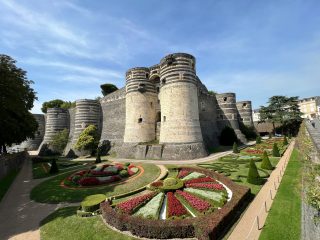
Jardin des Plantes, Nantes
Gardens in Nantes
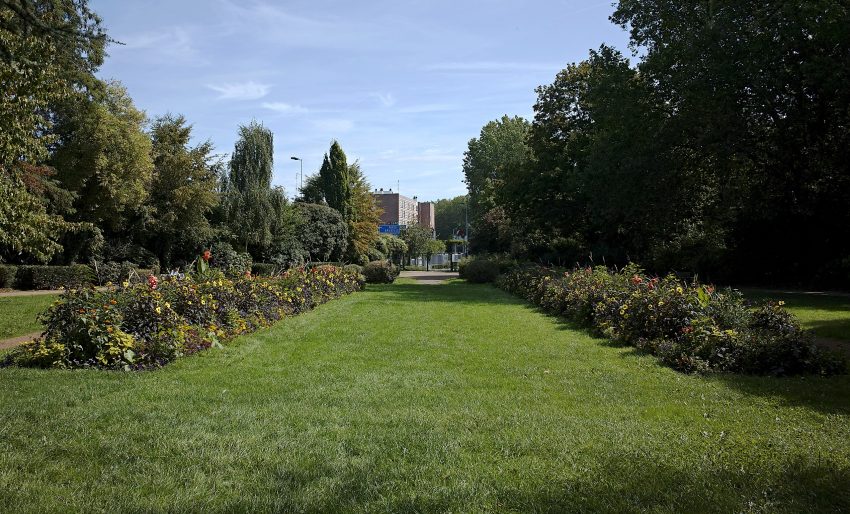
Just across from Nantes' main railway station, the Jardin des Plantes feels like a secret world of its own: seven hectares of winding paths, ponds, and beautifully curated plant collections right in the heart of the city. Originally founded as an apothecaries' garden in 1688, it blossomed into a full botanical garden in the 19th century, guided by botanists such as Jean-Marie Ecorchard. Today, its 10,000 plant species and celebrated camellia collection have earned it the prestigious “Remarkable Garden” label, making it one of the best places to visit in Nantes if you love greenery, history, and calm corners to sit and breathe.
As you wander through the garden, you move between themed areas, sweeping lawns, and intimate corners where art and nature quietly meet. Historic greenhouses, including the 1895 Palmarium, showcase tropical plants from around the world, while ponds and rockeries create a sense of variety and discovery. Contemporary touches-especially Claude Ponti's whimsical sculptures and playful installations-give the garden a distinctive character that feels very Nantes: imaginative, slightly surreal, and family friendly. It is a great place to visit on a walking tour of Nantes, whether as a refreshing first stop after arriving by train or a last, gentle pause before you leave.
Table of Contents
- History and Significance of the Jardin des Plantes
- Things to See and Do in the Jardin des Plantes
- How to Get to the Jardin des Plantes
- Practical Tips on Visiting the Jardin des Plantes
- Where to Stay close to the Jardin des Plantes
- Is the Jardin des Plantes Worth Visiting?
- FAQs for Visiting Jardin des Plantes
- Nearby Attractions to the Jardin des Plantes
History and Significance of the Jardin des Plantes
The origins of the Jardin des Plantes go back to 1688, when it was created as an apothecaries' garden to supply medicinal plants. At that time, botanical knowledge was closely tied to healing, and gardens like this were essential for cultivating herbs and studying their properties. Over the centuries, as scientific interests broadened and colonial links expanded the palette of available species, the garden evolved beyond its medicinal roots to embrace ornamental and exotic plants.
In the 19th century, under the direction of botanists such as Jean-Marie Ecorchard, the garden took on the form we recognise today. Extensive planting, landscaping, and the construction of greenhouses, including the Palmarium in 1895, turned it into a fully-fledged botanical garden with scientific, educational, and recreational roles. Collections were expanded to include a remarkable variety of camellias and other species suited to Nantes’ mild, oceanic climate.
Recognition as a “Remarkable Garden” reflects both the richness of the collections and the quality of the design, from the sinuous paths and artfully placed trees to the careful integration of water, rockeries, and seasonal displays. At the same time, the Jardin des Plantes has become part of Nantes' identity as a creative city: temporary installations, art projects, and events continually reinterpret the garden, making it a living, evolving space rather than a static museum of plants.
Things to See and Do in the Jardin des Plantes
One of the joys of the Jardin des Plantes is simply wandering without a set plan. Start along the main avenues to get a sense of the garden's scale, then dive into smaller paths that lead past ponds, flowerbeds, and specimen trees. Look for information panels that introduce particular collections or notable species, especially the camellias, which are one of the garden's pride and joys and can be spectacular in bloom.
The greenhouses are a must-see, especially the historic Palmarium dating from 1895. Within roughly 800 square metres of greenhouse space, you will find tropical and subtropical plants from several continents: towering palms, exotic foliage, and delicate blooms that would never survive outdoors in Nantes. Moving between the outdoor plantings and these warm, humid interiors gives a clear sense of the global reach of modern botany and horticulture.
Art is woven into the landscape too. Claude Ponti’s whimsical sculptures and playful installations appear in unexpected spots-a giant bench here, a fantastical creature there-delighting children and adults alike. These works play off the natural forms around them, making the garden feel like an outdoor storybook. When you are ready for a break, the Café de l’Orangerie and scattered benches provide inviting places to sit with a drink, people-watch, or simply enjoy the combination of birdsong, leaves, and city life just beyond the railings.
How to Get to the Jardin des Plantes
The Jardin des Plantes is one of the easiest major sights to reach in Nantes, located just across from the main railway station and a short walk from the cathedral and the city centre. If you are arriving by air, Nantes Atlantique Airport lies southwest of the city, with shuttle buses and other public transport options connecting the terminal to central Nantes in about 20-30 minutes. For the best deals and a seamless booking experience, check out these flights to Nantes on Booking.com. Once in the centre, it is a straightforward tram, bus, or short walk to the garden.
By train, you could not ask for a more convenient location: Nantes station sits directly opposite the Jardin des Plantes.You can use SNCF Connect to check schedules, compare routes, and purchase tickets for National (SNCF ) and regional trains (TER). For a more streamlined experience, we recommend using Omio, which allows you to easily compare prices, schedules, and book tickets for both National and Regional travel across all of Europe, all in one place. After stepping off your train, you can be among trees and flowerbeds within minutes, making the garden an ideal first or last stop on your trip.
Travelling by car, follow signs for Nantes centre and park in one of the nearby car parks around the station or along main central routes.If you are looking to rent a car in France I recommend having a look at Discover Cars, first, as they compare prices and review multiple car rental agencies for you. From there, it is a short walk to the garden’s entrances, and once inside you can leave traffic behind and enjoy a car-free environment.
Practical Tips on Visiting the Jardin des Plantes
- Suggested tips: Bring a book or sketchpad and treat the garden as your outdoor living room; it is perfect for slow travel days when you want to absorb the city at a gentler pace.
- Best time to visit: Spring and early summer bring camellias, blossom, and lush new growth, while autumn colours and quiet winter walks each have their own charm; mornings are often calmer than late afternoons.
- Entrance fee: Free entry to the garden and many areas.
- Opening hours: Open daily, with hours varying by season—typically from early morning to early evening.
- Official website:
- How long to spend: Allow at least 1-2 hours to explore paths, greenhouses, and installations at a relaxed pace; plant enthusiasts may easily stay longer.
- Accessibility: The main paths are generally wide and well surfaced, and many areas are accessible for wheelchairs and strollers; check maps on site for the most suitable routes.
- Facilities: Expect toilets, the Café de l’Orangerie for drinks and light meals, seating areas, and information boards; additional cafés and shops are close by in the surrounding streets.
- Photography tip: Visit early or late in the day for softer light, and look for reflections in ponds, greenhouse glass, and windows to create layered, atmospheric shots.
- Guided tours: Check for occasional guided visits, themed walks, or educational activities that focus on specific collections such as camellias, trees, or medicinal plants.
- Nearby food options: Beyond the café inside the garden, the nearby station area and central streets offer bakeries, brasseries, and restaurants for a more substantial meal.
Where to Stay close to the Jardin des Plantes
Staying near the Jardin des Plantes gives you easy access to both the garden and major city sights like the cathedral and the Château des Ducs de Bretagne. A stylish central option is L'Hôtel - Face au Château, which overlooks the château and puts you within walking distance of the garden and Old Town. For a contemporary feel, Hôtel La Pérouse Nantes offers modern design close to tram lines and shopping streets, making it simple to hop over to the Jardin des Plantes. If you prefer a quieter, residential atmosphere while remaining within reach of the station and garden, Hôtel Chateaubriand provides a cosy, good-value base with pleasant walks into the city centre.
Is the Jardin des Plantes Worth Visiting?
The Jardin des Plantes is absolutely worth visiting, whether you are a dedicated plant lover or simply someone who appreciates beautiful, well-designed green spaces. It offers a rare combination of serious botanical collections, playful art, historic architecture in its greenhouses, and plenty of space to stroll, rest, and watch daily life go by. For travellers, it provides a refreshing counterbalance to museums and churches, while for families it offers room for children to explore safely and creatively. As a result, it stands out as one of the must-see places in Nantes for anyone wanting to experience the city's gentler, more contemplative side.
What Other Travellers Say...

Botanical Garden, on Rue Stanislas Baudry in Nantes, is a tranquil 19th-century park and botanical garden with a palm house, winding trails through camellias and magnolias, and an impressive variety of plant species including a noted Taiwan section; visitors praise peaceful fountains, a lake with ducks (and tortoises), public art and sculptures such as a deer statue, quirky oversized benches, a small animals area with goats, kid-friendly activities and an outdoor chess area, all well kept, shaded, and easily reached from the city center and nearby station.


FAQs for Visiting Jardin des Plantes
Nearby Attractions to the Jardin des Plantes
- Musée d'Arts de Nantes: A major fine arts museum between the garden and the cathedral, showcasing works from the 13th to the 21st century.
- Cathédrale Saint-Pierre-et-Saint-Paul de Nantes: The city's impressive Gothic cathedral with a soaring nave and historic ducal tomb, a short walk away.
- Château des Ducs de Bretagne: A former ducal fortress and city history museum with ramparts, a moat, and engaging exhibitions.
- Machines de l'Île: A creative, steampunk-inspired attraction on the Île de Nantes, famous for its massive mechanical elephant and imaginative installations.
- Quartier Bouffay: The lively medieval quarter filled with narrow streets, half-timbered houses, and plenty of bars and restaurants.
The Jardin des Plantes appears in our Complete Guide to Visiting Nantes!

Moira & Andy
Hey! We're Moira & Andy. From hiking the Camino to trips around Europe in Bert our campervan — we've been traveling together since retirement in 2020!
This website uses affiliate links which may earn a commission at no additional cost to you!
Planning Your Visit
Open daily, with hours varying by season-typically from early morning to early evening.
Free entry to the garden and many areas.
Nearby Attractions
- Musée d'Arts de Nantes (0.4) km
Museum - Château des Ducs de Bretagne (0.6) km
Castle - Porte Saint-Pierre (0.6) km
City Gate - Cathédrale Saint-Pierre-et-Saint-Paul de Nantes (0.6) km
Cathedral - Nantes History Museum (0.7) km
Museum - Jungle Intérieure (0.9) km
Gardens - Eglise Sainte-Croix (1.0) km
Church - Place Royale (1.3) km
Historic Building - Passage Pommeraye (1.5) km
Historic Building - Place Graslin (1.7) km
Square