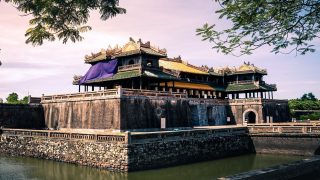
Imperial Citadel, Hue
Historic Site in Hue
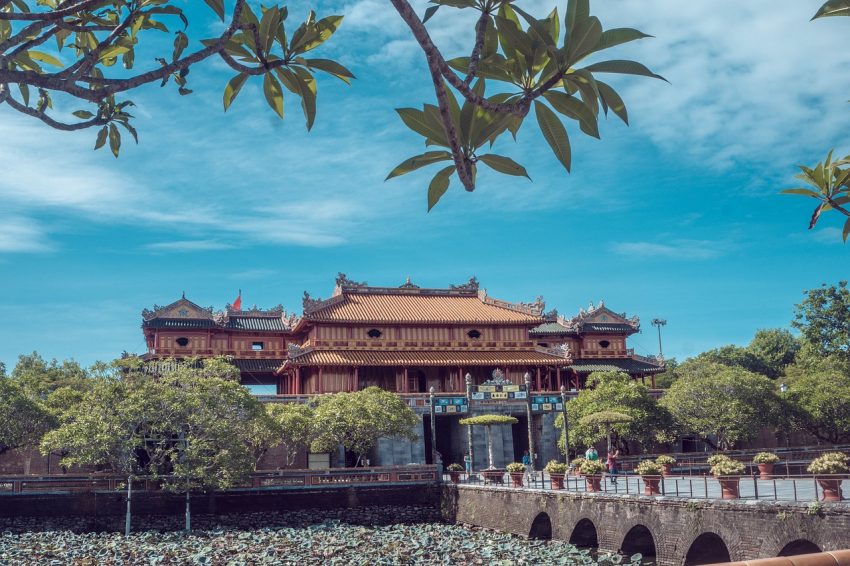
The Imperial Citadel in Hue stands as one of Vietnam's most extraordinary historical landmarks-a vast walled complex surrounded by a protective moat, once the political, cultural, and ceremonial centre of the Nguyen Dynasty from 1802 to 1945. Constructed under Emperor Gia Long in the early 19th century, the citadel blends traditional Vietnamese imperial design with influences from French military engineer Vauban. Today, its grand gates, towering ramparts, and restored palaces make it one of the best places to visit in Hue and a highlight of any tour of Hue.
Inside the walls, the citadel divides into two principal sections: the Imperial City, the administrative and ceremonial heart of the dynasty, and the Purple Forbidden City, the private residence of the emperor and his family. With its array of palaces, temples, audience halls, libraries, theatres, and residential complexes, the Citadel offers a rare, immersive window into court life, ritual, and architecture during Vietnam's final imperial era.
Table of Contents
- History and Significance of the Imperial Citadel
- Things to See and Do in the Imperial Citadel
- How to Get to the Imperial Citadel
- Practical Tips on Visiting the Imperial Citadel
- Where to Stay close to the Imperial Citadel
- Is the Imperial Citadel Worth Visiting?
- FAQs for Visiting the Imperial Citadel
- Nearby Attractions to the Imperial Citadel
History and Significance of the Imperial Citadel
Construction of the Imperial Citadel began in 1804 under Emperor Gia Long, the first ruler of the Nguyen Dynasty. Inspired by both East Asian geomancy and French military engineering principles, the emperor designed a fortified capital that represented stability, legitimacy, and grandeur. Over the reigns of successive emperors, the Citadel expanded into an intricate complex of administrative halls, ritual temples, pavilions, gardens, and residential quarters.
In 1993, the Imperial Citadel became a UNESCO World Heritage Site, recognised for its exceptional architectural value and historical importance. Although many structures suffered destruction during the 20th century, major restoration projects have revived large sections of the complex, allowing visitors to explore both restored palaces and evocative ruins.
The Citadel reflects not only royal authority but the daily and ceremonial rhythms of the Nguyen court. It formed the administrative centre of the empire, housed imperial rituals, and stood as the most restricted and sacred space in Vietnam until 1945, marking the end of the dynasty.
Things to See and Do in the Imperial Citadel
Within the expansive complex, visitors can explore several key areas:
The Imperial City begins at the monumental Noon Gate (Hien Nhon Gate), one of the principal entrances into the citadel. Beyond it lies the Hall of Supreme Harmony (Thai Hoa Palace), where coronations, royal ceremonies, and major state events unfolded beneath its lavishly decorated roof.
Nearby, the Halls of the Mandarins once served as the administrative hub where officials conducted daily affairs. The Royal Theatre (Duyệt Thị Đường), one of the oldest working theatres in Vietnam, offers insight into classical court music and drama.
The Purple Forbidden City is the most intimate and exclusive section of the citadel. Designed as the emperor's private residence, it was off-limits to most court officials and guarded by elite eunuchs. Key structures include Cung Trường Sanh, the residence and garden of the Queen Mother, and Thai Binh Lau, the Royal Library where emperors studied, wrote poetry, and enjoyed solitude.
Together, these buildings form a vivid picture of imperial life-ceremonial grandeur at the front, administrative governance at the centre, and private domestic space hidden deeper within.
How to Get to the Imperial Citadel
The nearest airport is Phu Bai International Airport, located about 16 kilometres south of Hue, offering domestic flights from major Vietnamese cities. For the best deals and a seamless booking experience, check out these flights to Hue on Booking.com.
Hue Railway Station connects the city with major destinations including Da Nang, Hanoi, and Ho Chi Minh City, providing a scenic and convenient rail route for travellers. Train schedules and bookings can be found on Omio.
Travelling by car to the Citadel is easy, with designated parking near the main gates. Once inside, the complex is navigated on foot.
Practical Tips on Visiting the Imperial Citadel
- Suggested tips: Wear comfortable shoes-the complex is large and involves lots of walking.
- Best time to visit: Early morning or late afternoon to avoid heat and enjoy softer light.
- Entrance fee: Standard Imperial City ticket required; combined tickets available for additional sites.
- Opening hours: Typically 8:00-17:30; may vary by season.
- How long to spend: At least 2-3 hours; half a day for a more thorough visit.
- Accessibility: Many paths are accessible, though uneven surfaces and steps occur throughout.
- Facilities: Restrooms, cafés, and shaded rest areas available inside the complex.
- Photography tip: Capture the reflection of gates and palaces in the moat for atmospheric shots.
- Guided tours: Highly recommended for deeper historical insight.
- Nearby food options: Numerous cafés and restaurants outside the citadel walls.
Where to Stay close to the Imperial Citadel
Staying near the Citadel offers convenient access to Hue’s most important historical sites. The refined Azerai La Residence provides luxurious riverside accommodation with elegant colonial architecture. Visitors seeking a quieter boutique environment will appreciate Le Domaine de Cocodo, known for its spacious suites. Another excellent option is Villa Hue, offering comfort and proximity to the city’s cultural landmarks.
Is the Imperial Citadel Worth Visiting?
The Imperial Citadel is unquestionably worth visiting. As Vietnam's last royal capital and a UNESCO World Heritage Site, it offers an unparalleled glimpse into imperial architecture, court culture, and national history. Its expansive grounds, atmospheric ruins, restored palaces, and quiet gardens make it one of Hue's most unforgettable experiences.
What Other Travellers Say...

Hue Imperial City in Hue City is a vast 19th-century citadel surrounding the former imperial palace with walls, a moat and temples; visitors praise its large, intricately designed complexes and courtyards that can easily take half a day to explore, note the impressive architecture and rich historical character, and advise it's a must-see when in Hue though some areas could use better maintenance; entry fees are payable by card at some windows, but you may need to insist.


FAQs for Visiting the Imperial Citadel
Nearby Attractions to the Imperial Citadel
- Thien Mu Pagoda: A historic riverside temple dating back to 1601.
- Tu Duc Tomb: One of the most beautiful imperial mausoleums near Hue.
- Nine Holy Cannons: Monumental bronze works flanking the Flag Tower.
- Truong Sanh Residence: A tranquil palace complex within the Citadel.
- Museum of Royal Antiquities: Displays Nguyen-era artefacts and royal items.
The Imperial Citadel appears in our Complete Guide to Visiting Hue!

Moira & Andy
Hey! We're Moira & Andy. From hiking the Camino to trips around Europe in Bert our campervan — we've been traveling together since retirement in 2020!
This website uses affiliate links which may earn a commission at no additional cost to you!
Planning Your Visit
April – September : from 6:30 AM to 18:00
October – March: 7:00 AM to 17:30
200,000 (£7)
Nearby Attractions
- Tu Phuong Vo Su Tower (0.6) km
Historic Building - Cung Truong Sanh (0.8) km
Historic Building - The Royal Library (0.8) km
Historic Building - Nhat Thanh Lau (0.8) km
Historic Building - The Royal Theatre (0.9) km
Historic Building - Forbidden Purple City (0.9) km
Historic Building - Dien Tho Residence (0.9) km
Historic Building - Halls of the Mandarins (1.0) km
Historic Building - Noon Gate (1.0) km
City Gate - Thai Hoa Palace (1.0) km
Palace