Iglesia de San Julián y Santa Basilisa, Salamanca
Church, Historic Building and Religious Building in Salamanca
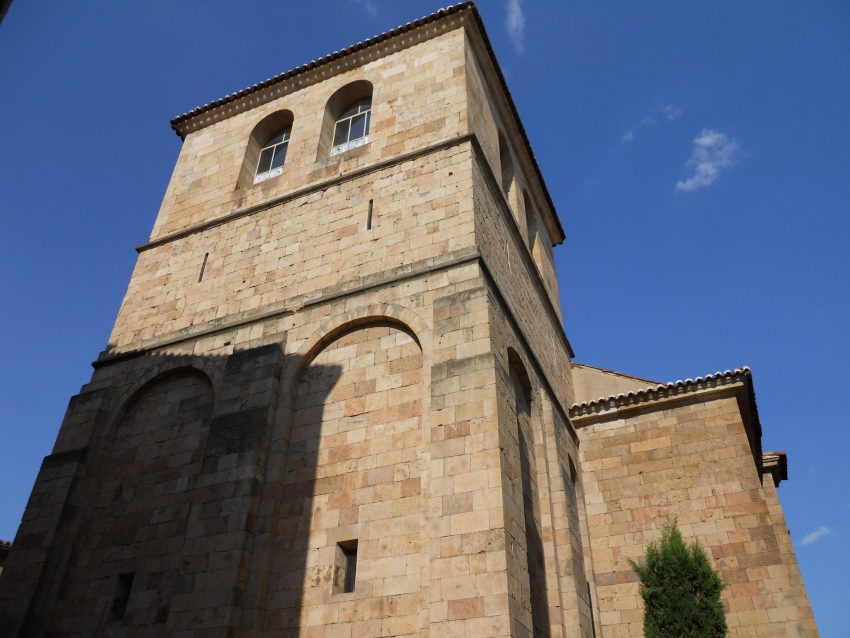
Tucked into Salamanca's historic center, Iglesia de San Julián y Santa Basilisa is a small Romanesque church with a surprisingly rich story for such a compact space. It's the kind of place you might pass without noticing, but stepping inside reveals centuries of architectural layers and a calm, local atmosphere.
It fits perfectly into a self-guided walking tour between Salamanca's big-ticket landmarks, especially if you want a quieter counterpoint to the busier plazas and university streets. Pair it with nearby stops like Plaza Mayor, the Clerecía, or the riverside viewpoints for a well-rounded day on foot.
Table of Contents
- History and Significance of the Iglesia de San Julián y Santa Basilisa
- Things to See and Do in the Iglesia de San Julián y Santa Basilisa
- How to Get to the Iglesia de San Julián y Santa Basilisa
- Practical Tips on Visiting the Iglesia de San Julián y Santa Basilisa
- Where to Stay Close to the Iglesia de San Julián y Santa Basilisa
- Is the Iglesia de San Julián y Santa Basilisa Worth Visiting?
- For Different Travelers
- FAQs for Visiting Iglesia de San Julián y Santa Basilisa
- Nearby Attractions to the Iglesia de San Julián y Santa Basilisa
History and Significance of the Iglesia de San Julián y Santa Basilisa
Founded in the early 12th century (traditionally dated to 1107), the church is rooted in Salamanca’s medieval growth period, when the city expanded and consolidated after earlier centuries of conflict and resettlement. Its Romanesque origins still define the building’s character, even though later centuries left visible marks.
Over time, the church underwent significant renovations, particularly in the early modern period, which introduced changes to its structure and interior feel. This mix of eras is part of the appeal: you're not looking at a frozen-in-time monument, but a living building that adapted as Salamanca evolved.
Beyond architecture, the church’s significance is also local and devotional. It remains tied to religious life in the city center, so your visit often feels less like a museum stop and more like stepping briefly into a working neighborhood church.
Things to See and Do in the Iglesia de San Julián y Santa Basilisa
Start by looking for the Romanesque elements that survived later remodeling, especially the historic portal details that hint at the church’s earliest phase. Even if you’re not an architecture specialist, the contrast between older stonework and later interventions is easy to spot once you slow down.
Inside, the atmosphere is typically quiet and intimate. Take a few minutes to absorb the scale: this is not a grand cathedral experience, but a small, contemplative space where details like altarpiece art and devotional imagery stand out because there’s less visual “noise.”
If you enjoy photography, focus on textures and angles rather than wide shots. The church’s charm is in close-up stonework, soft interior light, and the sense of history layered into a modest footprint.
How to Get to the Iglesia de San Julián y Santa Basilisa
The nearest major airports are Madrid-Barajas (MAD) and Valladolid (VLL), with Madrid offering the widest range of international connections. For the best deals and a seamless booking experience, check out these flights to Salamanca on Booking.com.
From Madrid and other Spanish cities, Salamanca is straightforward by train, and the main station connects you to the city center by taxi or local bus in a short ride. Train schedules and bookings can be found on Omio.
If you're driving, Salamanca is well-connected by highways from Madrid and the northwest, and it's easiest to park on the edge of the center and walk in to avoid narrow streets and limited central parking. If you are looking to rent a car in Spain I recommend having a look at Discover Cars, first, as they compare prices and review multiple car rental agencies for you.
Once you're in the old town, the church is best reached on foot—build it into a loop that also includes Plaza Mayor and the nearby historic streets.
Practical Tips on Visiting the Iglesia de San Julián y Santa Basilisa
- Official website: https://unidadpastoralcentrosalamanca.es/
- Entrance fee: Free; donations appreciated.
- Opening hours: Monday – Saturday: 11:30–12:30. Sunday: 09:30–10:30 & 12:30–13:30.
- Best time to visit: Aim for late morning on a weekday for a calm visit, or time it around a broader old-town walk so it feels like a rewarding “hidden” stop between bigger sights.
- How long to spend: Plan 15–30 minutes for a quick look, or up to 45 minutes if you like photographing details and reading architectural cues.
- Accessibility: Expect typical old-town conditions (uneven paving outside and potential steps at the entrance); if you need step-free access, it’s best to confirm locally before you go.
- Facilities: Facilities are limited on-site, so plan for restrooms, water, and snacks at nearby cafés around the central streets and plazas.
Where to Stay Close to the Iglesia de San Julián y Santa Basilisa
Base yourself in Salamanca’s historic center for the easiest, most enjoyable stay—you’ll be able to walk to major monuments, restaurants, and evening stroll spots without relying on transport.
Hotel Rector A polished boutique option with a quiet, upscale feel—ideal if you want a restful base near the old town while still being walkable to the main sights.
NH Collection Salamanca Palacio de Castellanos A classic choice in a historic setting, great for travelers who want comfort and a strong location for walking routes through the monumental core.
Catalonia Plaza Mayor Salamanca Perfect if you want to be steps from the city's most iconic square and enjoy the energy of central Salamanca right outside your door.
Sercotel Las Torres A practical, central hotel that’s especially convenient for early starts and late returns, with an unbeatable “walk everywhere” location.
Eurostars Las Claras A reliable, comfortable pick with easy access to the center—good value for travelers who want space and convenience without sacrificing location.
Is the Iglesia de San Julián y Santa Basilisa Worth Visiting?
Yes—especially if you enjoy Romanesque architecture, small historic churches, or simply want a quieter stop that adds texture to a Salamanca itinerary. It won't compete with the cathedral complex for grandeur, but it delivers something different: intimacy, age, and a sense of local continuity.
Honest Pivot: If your time is extremely limited and you only want Salamanca's headline monuments, you could skip this and focus on Plaza Mayor, the university area, and the cathedrals. It's best for travelers who like “small but meaningful” places and are happy to slow down.
What Other Travellers Say...

Visitors consistently describe this as a small, welcoming Romanesque church in the heart of Salamanca, praised for its intimate atmosphere and sense of calm. Reviews highlight its medieval origins, later historical renovations, and notable interior elements like the altarpiece and devotional imagery. A common downside is that it can feel brief to visit and access may be limited to specific times, so some travelers may find it hard to catch open.


For Different Travelers
This church works best as a short, low-effort addition to a walking day in Salamanca. Because it's central and compact, it's easy to tailor the visit to your pace—whether you're moving quickly between landmarks or lingering for atmosphere.
Families with Kids
For families, the main advantage is that the visit is short and easy to fit between more energetic stops like plazas and parks. Kids who enjoy “treasure hunt” details can look for carvings, stone textures, and old architectural features.
If your children need lots of interactive exhibits, this won’t provide that museum-style engagement. Consider pairing it with a treat stop nearby or a quick open-space break afterward.
Couples & Romantic Getaways
Couples often appreciate the quiet, tucked-away feel—especially as a contrast to Salamanca’s busier, photo-heavy landmarks. It’s a good place for a calm pause, a few thoughtful photos, and a slower moment in the middle of a walking day.
For a romantic flow, visit in the late morning and then continue toward scenic streets and viewpoints for golden-hour plans later. The church itself is subtle, but it adds a “found it together” feeling to the itinerary.
Budget Travelers
Budget travelers will like that it’s a low-cost (often free) cultural stop that still feels authentically historic. It’s also centrally located, so you won’t spend money on transport to include it.
Because the visit is brief, it's best used as part of a larger free walking route through the old town. Combine it with plazas, exterior monument views, and affordable café breaks.
History Buffs
History lovers will enjoy tracing the Romanesque roots and spotting later modifications that reflect changing tastes and needs over the centuries. It’s a compact example of how Salamanca’s medieval fabric was continually reshaped rather than replaced.
To deepen the experience, treat it as a “case study” stop: compare it to other churches in the center and note differences in portals, stonework, and interior proportions.
FAQs for Visiting Iglesia de San Julián y Santa Basilisa
Getting There
Tickets & Entry
Visiting Experience
Tours, Context & Itineraries
Photography
Accessibility & Facilities
Food & Breaks Nearby
Safety & Timing
Nearby Attractions to the Iglesia de San Julián y Santa Basilisa
- Plaza Mayor: Salamanca's iconic main square, perfect for people-watching and evening atmosphere.
- La Clerecía (Iglesia del Espíritu Santo): A monumental Baroque complex with striking architecture and viewpoints.
- Palacio de la Salina: A Renaissance palace known for its elegant façade and central courtyard feel.
- Huerto de Calixto y Melibea: A small, scenic garden linked to literary tradition and great for a quiet break.
- Casa de las Conchas: A famous landmark building with a shell-studded façade and a lively central location.
The Iglesia de San Julián y Santa Basilisa appears in our Complete Guide to Visiting Salamanca!

Moira & Andy
Hey! We're Moira & Andy. From hiking the Camino to trips around Europe in Bert our campervan — we've been traveling together since retirement in 2020!
This website uses affiliate links which may earn a commission at no additional cost to you!
Planning Your Visit
Monday - Saturday: 11:30-12:30.
Sunday: 09:30-10:30 & 12:30-13:30.
Free; donations appreciated.
Nearby Attractions
- Filmoteca de Castilla y León (0.1) km
Archive, Arts Venue and Museum - Salamanca Central Market (0.1) km
Market - Plaza Mayor (0.2) km
Square - Iglesia de San Martín de Tours (0.2) km
Church, Historic Building and Religious Building - Torre del Clavero (0.2) km
Tower - Salina Palace (0.3) km
Palace - Church of Saint Benedict (FSSPX) (0.3) km
Church, Historic Building and Religious Building - Iglesia de San Pablo (0.4) km
Church, Historic Building and Religious Building - Iglesia de San Juan de Sahagún (0.4) km
Church and Religious Building - Palacio de Monterrey (0.4) km
Palace