Hyde Park, London
Park in London
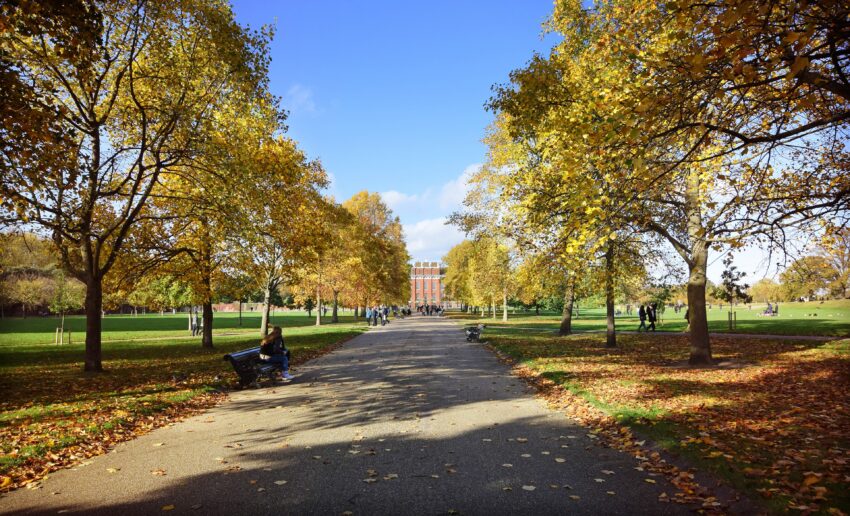
Hyde Park is one of London's great green spaces, stretching across central London between Marble Arch, Knightsbridge, and Kensington Gardens. More than just a patch of grass in the middle of the city, it is a royal park with wide paths, formal avenues, monuments, gardens, and the Serpentine cutting through its center. It can feel grand, lively, reflective, or surprisingly peaceful depending on where you wander.
For visitors, Hyde Park works as both a destination in its own right and a natural break between museums, shopping streets, and major landmarks. You can come here for boating, memorials, people-watching, long walks, or simply a slower view of London. Its size gives it variety, and that is what makes it special: one park can hold open lawns, ceremonial routes, quiet corners, and some of the capital's most familiar views.
History and Significance of the Hyde Park
Hyde Park began as a private hunting ground before becoming a public space, and over the centuries it developed into one of London's defining royal parks. Its history is tied to monarchy, urban planning, public ceremony, and changing ideas about leisure in the capital. That long evolution helps explain why the park feels both grand and accessible: it carries royal heritage, but it belongs to everyday London life as well.
One of the most important historic interventions was the creation of the Serpentine in the eighteenth century under Queen Caroline. The lake changed the character of the landscape and remains one of Hyde Park’s key visual features today. It gave the park a softer, more picturesque quality and helped shape the elegant waterside walks that still draw visitors.
Hyde Park is also significant because of its role in public expression and civic culture. Speakers' Corner remains one of the park's most famous features, and the wider park has hosted protests, celebrations, concerts, and major seasonal events. Few urban parks combine royal history and democratic public life so visibly, which is one reason Hyde Park feels so central to London's identity.
Things to See and Do in the Hyde Park
The Serpentine is the heart of many Hyde Park visits. Walking beside the water is one of the best ways to experience the park, and in warmer months you can add boating or linger around the Lido and nearby cafés. It is one of those London settings that feels immediately familiar even on a first visit, with open views, waterfowl, and a constant flow of people moving between central London and the greener edges of the city.
Another major highlight is the park's collection of landmarks and memorials. The Diana Memorial Fountain is one of the best-known modern additions, while other features across the park include Speakers' Corner, the Holocaust Memorial, and the Queen Caroline memorial near the lake. These elements give Hyde Park more structure than a simple open parkland walk and make it rewarding even if you prefer sightseeing with clear focal points.
Hyde Park is also simply a very good place to walk. Broad avenues, gardens, sports areas, and seasonal routes mean you can tailor the visit to your energy level and interests. Some people cross it quickly between Marble Arch and Kensington Gardens, while others spend hours exploring its paths, monuments, cafés, and quieter lakeside stretches.
How to Get to the Hyde Park
Hyde Park is very easy to reach, which is one reason it fits so naturally into a London itinerary. Depending on which side you want to visit, the most useful Underground stations include Marble Arch, Hyde Park Corner, and Lancaster Gate, with the park also within reach of Paddington, Victoria, and other central transport hubs. Buses pass along several surrounding roads, so this is one of the simplest major green spaces in London to reach without planning much in advance.
If you are arriving in London by air, Heathrow is usually the most convenient major airport for Hyde Park, though Gatwick, London City, and Stansted can also work depending on your route into central London. For the best deals and a seamless booking experience, check out these flights to London on Booking.com. If you are coming by train, Paddington is especially handy for the north side of the park, while Victoria works well for the south-east side and Hyde Park Corner area. Train schedules and bookings can be found on Omio. Buses are plentiful around the park’s edges, particularly near Marble Arch, Park Lane, and Knightsbridge.
By car, driving in central London is rarely the easiest option; if you do, plan ahead for congestion/ULEZ rules and use designated car parks where available.
Practical Tips on Visiting the Hyde Park
- Official website: https://www.royalparks.org.uk/visit/parks/hyde-park
- Entrance fee: Free.
- Opening hours: Monday – Sunday: 05:00–24:00.
- Best time to visit: Early morning for quieter paths, or late afternoon for a livelier atmosphere around the lake and main entrances.
- How long to spend: 1-2 hours for a loop and a pause at the Serpentine; half a day if you want to add galleries, boating, or a longer cross-park walk.
- Accessibility: Mostly flat, wide paths make it workable for wheelchairs and strollers, though surfaces vary and some routes are longer than they look on a map.
- Facilities: Expect toilets and refreshment options in and around the park, plus plenty of benches; bring water if you’re doing a longer walk.
Where to Stay Close to the Hyde Park
For a culture-heavy London trip, stay around Marble Arch, Lancaster Gate, or South Kensington if you want quick access to the park and major museums, while shoppers and first-time visitors often do best near Marble Arch and Park Lane where Hyde Park, Oxford Street, and transport links meet.
The Cumberland is the obvious choice if Hyde Park is central to your plans, as it sits right by Marble Arch and places you at one of the park's most convenient edges. It works especially well for travelers who want the park on the doorstep but also easy access to Oxford Street, the West End, and multiple Tube connections.
If you want another strong option near the water and the north-west side of the park, Royal Lancaster London is excellent for travelers who like a polished stay close to the park and Paddington connections. For a more classic luxury base on the south-east side, The Dorchester suits travelers who want Hyde Park views with Mayfair dining and shopping close by.
Is Hyde Park Worth Visiting?
Yes, absolutely. Hyde Park is not just a patch of green to tick off between other sights; it is one of the places that makes London feel like London. It offers space, history, variety, and a sense of scale that balances the city's busier streets and museums.
The honest pivot is that travelers who dislike parks, have very little time, or want only enclosed, ticketed attractions may not need to spend long here. But even then, Hyde Park is worth at least a short walk because it connects so naturally with so many other key parts of central London.
What Other Travellers Say...
Visitors consistently describe Hyde Park as a relaxing break from the city, praising the huge green spaces, well-kept paths, and the easygoing atmosphere for walking, cycling, picnics, and sitting by the water. Many also highlight the Serpentine and the interest of Speakers' Corner. Common downsides are mostly practical rather than deal-breakers: it can feel busy at peak times, and some people note that the park is so large it helps to have a plan (or a map) to avoid lots of backtracking.





FAQs for Visiting Hyde Park
Getting There
Tickets & Entry
Visiting Experience
Tours, Context & Itineraries
Photography
Accessibility & Facilities
Food & Breaks Nearby
Safety & Timing
The Hyde Park appears in our Complete Guide to Visiting London!

Moira & Andy
Hey! We're Moira & Andy. From hiking the Camino to trips around Europe in Bert our campervan — we've been traveling together since retirement in 2020!
This website uses affiliate links which may earn a commission at no additional cost to you!
Planning Your Visit
Monday - Sunday: 05:00-24:00.
Free.
Nearby Attractions
- Ye Olde Chesire Cheese (3.4) km
Historic Building - Globe Theatre (4) km
Abbey - Warner Bros. Studio Tour, London (27.8) km
- Chichester Festival Theatre (85.4) km
Theatre - Chichester Walls Walk (85.7) km
City Walls - Novium Museum (86) km
Museum - Market Cross (86) km
Historic Site - Highclere Castle (86.1) km
Historic Building - Chichester Cathedral (86.1) km
Cathedral - Pallant House Gallery (86.1) km
Arts Venue