Ho Quyen Arena, Hue
Historic Site in Hue
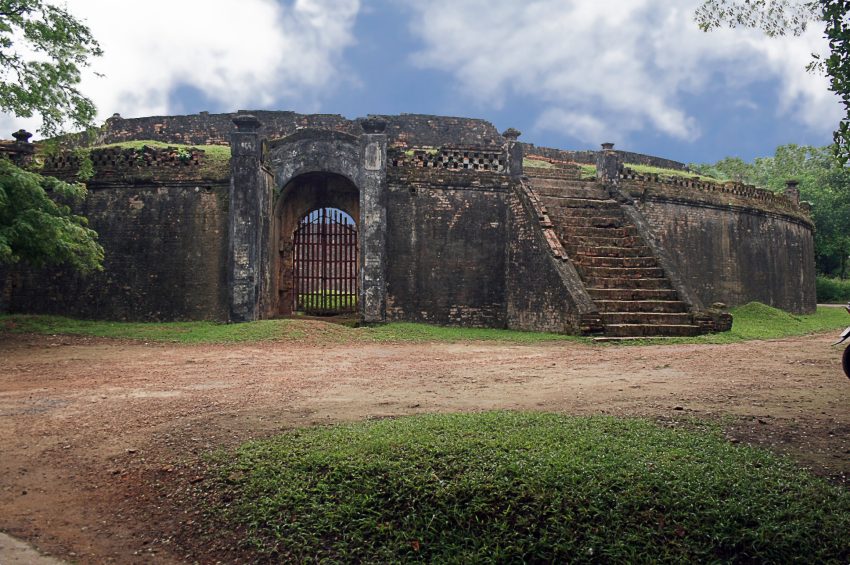
Ho Quyen Arena or the Ancient Tiger Arena, located across the Perfume River from Thien Mu Pagoda, is one of Hue's most unusual and overlooked historical sites. Tucked deep within the quiet lanes of Truong Da village, the arena suddenly emerges-a massive circular stone structure with walls rising nearly 5 metres high. Though reminiscent of an ancient Roman amphitheatre, this arena once hosted battles far more dramatic and symbolic. Here, from the early 19th century, the Nguyen emperors pitted trained war elephants against wild tigers in ritual combat. Today, it stands as one of the most intriguing things to do in Hue.
Constructed in 1830 under Emperor Minh Mang, Ho Quyen was built after several dangerous incidents during earlier open-air contests. Designed with thick stone walls and separated viewing terraces for the court, the arena ensured both spectacle and safety. Though abandoned after 1945 and slowly reclaimed by nature, it remains an evocative-and haunting-monument to the rituals of power and kingship.
Table of Contents
History and Significance of Ho Quyen Arena
Before Ho Quyen was built, elephant-tiger battles took place in open fields or on the Perfume River, where both training contests and ceremonial fights occurred. Records from 1750 describe a fierce battle in which 40 elephants killed 18 tigers-an event both brutal and deeply symbolic. For the Nguyen Dynasty, elephants represented imperial authority, while tigers symbolised rebellion or chaos. Ensuring the elephants' victory reinforced the cosmic order and legitimacy of the emperor.
However, the early contests were dangerous. One courtier fell into the pit during a match and was killed, while another incident saw a tiger escape and swim toward the emperor-who had to fend it off with an oar. These events prompted Emperor Minh Mang to order a safer, enclosed arena west of the Citadel.
Completed in 1830, Ho Quyen became the official site for imperial combats. To guarantee the elephants’ triumph, the tigers were defanged and declawed before each match. The last recorded fight occurred in 1904 under Emperor Thanh Thai. After the fall of the Nguyen Dynasty in 1945, the arena deteriorated but remained structurally intact, a fascinating relic of Hue’s lesser-known past.
Things to See and Do in Ho Quyen Arena
Entering Ho Quyen feels like stepping back into a forgotten chapter of imperial ritual. A stone staircase leads to the emperor’s viewing platform, positioned higher than the seating for mandarins and generals to reflect the hierarchy of court society. From here, you can look down into the spacious, circular arena where the animals once fought.
Walking the perimeter path allows visitors to appreciate the arena’s design, including the gated passage where elephants entered and the smaller, heavily fortified tunnel used to release the tigers. Thick stone walls curve around the entire structure, creating an enclosed amphitheatre that once echoed with the trumpeting of elephants and roars of tigers.
The surrounding village adds to the charm-narrow alleys, traditional homes, and rural tranquillity make exploring the area pleasant and atmospheric. Many travellers combine Ho Quyen with a visit to nearby Long Chau Temple, associated with elephant worship.
How to Get to Ho Quyen Arena
Phu Bai International Airport is the closest airport to Hue and lies roughly 16 kilometres to the south, offering easy domestic air access. For the best deals and a seamless booking experience, check out these flights to Hue on Booking.com.
Hue Railway Station provides rail connections to Da Nang, Hanoi, Ho Chi Minh City, and other major destinations, making it a convenient entry point before heading onward to the arena. Train schedules and bookings can be found on Omio.
Travelling by car or motorcycle makes reaching Ho Quyen straightforward. The site is about 4 kilometres west of central Hue, located deep within Truong Da village; parking is available near the entrance.
Practical Tips on Visiting Ho Quyen Arena
- Suggested tips: Combine your visit with nearby Long Chau Temple to understand the symbolic pairing of elephants and tigers.
- Best time to visit: Early morning or late afternoon for cooler temperatures in the open-air arena.
- Entrance fee: Free to visit.
- Opening hours: Accessible at all times.
- Official website: https://www.hueworldheritage.org.vn
- How long to spend: Around 30-45 minutes.
- Accessibility: Uneven stone steps and grassy areas require caution.
- Facilities: Limited-bring water and essentials.
- Photography tip: Shoot from the emperor’s platform for a dramatic overhead view of the ring.
- Guided tours: Often included in rural or lesser-known Hue heritage tours.
- Nearby food options: Small cafés and local vendors may be found along village roads.
Where to Stay close to Ho Quyen Arena
Hue city centre is only a short drive away, offering plenty of accommodation options. For an elegant riverside stay, consider Azerai La Residence. Travellers looking for boutique comfort may enjoy Le Domaine de Cocodo, while Villa Hue offers convenient access to the city’s major attractions.
Is Ho Quyen Arena Worth Visiting?
Yes-Ho Quyen Arena is absolutely worth visiting, especially for travellers seeking something different beyond Hue's main royal tombs and palaces. Its dramatic history, unique architecture, and quiet, atmospheric location make it one of the most unusual historical sites in the region. It offers a captivating window into the symbolic ceremonies and power displays of the Nguyen Dynasty.
What Other Travellers Say...

Ho Quyen, on the southern bank of the Perfume River, is a small but evocative arena associated with Imperial Vietnamese entertainment; visitors describe it as a rundown coliseum where, historically, wild animals and even humans were forced through gates into the central area, and say it offers an intriguing glimpse into past traditions and imperial culture though signage is mostly in Vietnamese and entry can be restricted so you may only view it from outside.


FAQs for Visiting Ho Quyen Arena
Nearby Attractions to Ho Quyen Arena
- Thien Mu Pagoda: Hue's iconic riverside temple overlooking the Perfume River.
- Long Chau Temple: A historic site associated with elephant worship.
- Tu Duc Tomb: A poetic and tranquil mausoleum set among lakes and gardens.
- Vong Canh Hill: A scenic viewpoint with sweeping views of the Perfume River.
- Imperial Citadel: The historic heart of the Nguyen Dynasty's former capital.
The Ho Quyen Arena appears in our Complete Guide to Visiting Hue!

Moira & Andy
Hey! We're Moira & Andy. From hiking the Camino to trips around Europe in Bert our campervan — we've been traveling together since retirement in 2020!
This website uses affiliate links which may earn a commission at no additional cost to you!
Planning Your Visit
Nearby Attractions
- Thien Mu Pagoda (1.2) km
Historic Building - Tomb of Tu Duc (2.1) km
Historic Site - Hien Lam Pavilion (3.1) km
Historic Building - Hung Mieu Temple (3.1) km
Historic Building - Mieu Temple (3.1) km
Historic Building - Dien Tho Residence (3.2) km
Historic Building - Cung Truong Sanh (3.2) km
Historic Building - Perfume River (3.4) km
River - Meridian Gate (3.4) km
City Gate - Phu Van Tower (3.4) km
Historic Building