Historical Museum, Shkodër
Museum in Shkodër

Shkoder Historical Museum is the kind of place that makes a city click into focus. Set in a restored traditional Shkodran house associated with Oso Kuka, it brings together archaeology, everyday life, and visual culture in a way that feels approachable rather than academic. Even if you're not usually a “museum person,” the setting alone draws you in-wood, stone, and lived-in architectural details that feel like part of the story you've come to understand.
Because it sits right in the centre, it's also one of the top attractions in Shkodër for travellers who want more than a quick photo stop. I like folding it into a walking tour of Shkodër: visit the museum to get your bearings on the region's layers, then head back out into the streets with a clearer sense of what you're seeing-Ottoman-era influences, Catholic heritage, and the rhythm of a northern Albanian city that has always been a crossroads.
Table of Contents
- History and Significance of the Shkoder Historical Museum
- Things to See and Do in the Shkoder Historical Museum
- How to Get to the Shkoder Historical Museum
- Practical Tips on Visiting the Shkoder Historical Museum
- Where to Stay Close to the Shkoder Historical Museum
- Is the Shkoder Historical Museum Worth Visiting?
- For Different Travelers
- FAQs for Visiting Shkoder Historical Museum
- Nearby Attractions to the Shkoder Historical Museum
History and Significance of the Shkoder Historical Museum
The museum is one of Albania’s oldest local cultural institutions, first opening in 1947 as the Folk Museum and then expanding into a fuller museum structure by 1949. Its early collections were shaped by donations from Jesuit and Franciscan circles and by private Shkodran families, which explains why the displays often feel rooted in real households and real lives rather than abstract timelines.
For years, the museum was based in a prominent 19th-century building beside Shkodër's clock tower-an address that reflected its importance in the city's cultural identity. In 1996 it moved to its current home in the restored Oso Kuka house, and that relocation matters: today, the building itself does some of the storytelling, giving you a sense of how Shkodër once looked and felt behind closed doors.
Shkodër also developed a wider network of museum centres over time, with heritage sites across the city helping preserve northern Albania's distinct traditions and histories. Seen in that context, the Historical Museum isn't just a standalone attraction-it's a key anchor for understanding how the region's identity has been recorded, protected, and reintroduced to new generations.
Things to See and Do in the Shkoder Historical Museum
Start with the museum's three core threads: ethnography, archaeology, and visual arts. The ethnographic side is often the most instantly engaging, with traditional clothing, domestic objects, and crafted tools that make everyday life feel tangible. The archaeological material adds depth, linking the wider Shkodër region to older layers of settlement and trade, and it's a satisfying reminder that this part of Albania has been connected to broader Mediterranean history for a very long time.
Don’t rush the visual arts and photographic material, which helps bridge the gap between “ancient” and “modern.” It’s here that you begin to see how Shkodër’s identity-Catholic and Muslim heritage, city life and highland culture, local craftsmanship and outside influence-has been shaped over the last century in particular.
Finally, take a moment to notice the building: the proportions of rooms, the way light falls through windows, and the blend of stone and wood construction. Even when the cases are modest in size, the house-like setting gives the visit an intimacy you don’t always get in larger national museums.
How to Get to the Shkoder Historical Museum
The museum is in central Shkodër, and once you're in the city's walkable core it's easiest to reach on foot, especially if you're already exploring the pedestrian streets and main squares. From the main café areas around the historic centre, it's a short, simple walk and makes an easy “drop-in” stop between other sights.
If you're flying in, the most common gateway is Tirana International Airport (TIA), with some travellers also arriving via Podgorica Airport (TGD) in Montenegro depending on their wider Balkans route. For the best deals and a seamless booking experience, check out these flights to Shkodër on Booking.com.
Shkodër is typically reached by coach or minibus from Tirana and other Albanian cities, and the main bus area is usually close enough that a short taxi ride (or a longer walk if you're travelling light) gets you to the museum without hassle. Albania's train network is limited and not a practical way to reach Shkodër for most travellers, so it's best to plan around buses and road transfers.
If you’re travelling by car, aim to park once and walk, because central streets can be narrow and traffic patterns change through the day; it’s usually less stressful than trying to stop right outside the museum. If you are looking to rent a car in Albania I recommend having a look at Discover Cars, first, as they compare prices and review multiple car rental agencies for you.
Practical Tips on Visiting the Shkoder Historical Museum
- Entrance fee: 150 lek adults; 50 lek children.
- Opening hours: Monday – Friday: 08:00–15:00. Closed on Saturday & Sunday.
- Official website: https://muzeuhistorikshkoder.org/
- Best time to visit: Late morning is ideal for a quieter, unhurried visit before the midday lull in the city.
- How long to spend: Plan for 45-75 minutes to see the main sections without rushing.
- Accessibility: Expect steps and uneven thresholds typical of older historic houses; assistance may be needed for some visitors.
- Facilities: Facilities are limited on-site, so plan café stops nearby before or after your visit.
Where to Stay Close to the Shkoder Historical Museum
For a culture-heavy itinerary, the best base is central Shkodër near the pedestrian streets so you can walk to the museum and most main sights; if your trip prioritises onward transport and early departures, staying closer to the main road and bus links can be more practical.
If you want to be able to wander out and be at the museum within minutes, Hotel Tradita is a characterful, traditional-feeling option that matches the city’s heritage vibe. For an easy, comfortable central stay with plenty of amenities around you, Hotel Colosseo & Spa is a strong pick in the heart of the pedestrian zone. If you prefer a classic full-service base close to the centre’s main squares, Shkodër Grand Hotel Europa Affiliated by Meliá is another reliable option for comfort and location.
Is the Shkoder Historical Museum Worth Visiting?
Yes-especially if you want Shkodër to feel like more than a pleasant stopover. The museum gives you the context that makes the rest of the city richer, from street names to religious landmarks to the blend of urban and highland culture you'll notice in daily life.
It’s also a low-effort, high-reward visit: centrally located, straightforward to fit into a half-day of sightseeing, and housed in a building that’s as memorable as the exhibits.
What Other Travellers Say...
Reviews Summary
Shkodër History Museum sits in a charming historic building on Rruga Oso Kuka in the city center and offers a concise, well‑curated overview of northern Albania's past; visitors praise its friendly staff and approachable displays that cover ancient through more recent cultural developments, though the museum is small and many objects have minimal labels so a typical visit can be brief and easy to fit into a day of exploring the city.
For Different Travelers
Families with Kids
This museum works best for families when you treat it as a short, story-led visit rather than a long, label-reading session. Pick a few “anchor themes” for kids-old clothing, household objects, and “what life used to look like”-and move at a relaxed pace.
Pair it with a nearby open-air break afterwards, because Shkodër is at its best when you mix culture with wandering. A museum stop followed by a snack on the pedestrian street keeps the day balanced and avoids museum fatigue.
Couples & Romantic Getaways
For couples, the museum is a calm, atmospheric pause that adds depth to a city day without dominating it. The house setting feels intimate, and it’s easy to turn the visit into part of a slower itinerary that includes cafés, photography, and evening walks.
A good rhythm is museum first, then a stroll through the centre with a clearer sense of the city’s layers. When you understand the background, even simple moments-architecture details, small courtyards, local crafts-feel more meaningful.
Budget Travelers
The museum is budget-friendly and centrally placed, which makes it ideal for travellers trying to keep transport costs down. You can build a full day around walking, using the museum as your “paid culture stop” and filling the rest with free city wandering.
To stay flexible, time your visit for when you're already in the centre, then keep the rest of the day simple: one or two nearby sights, a café break, and a sunset walk. Shkodër rewards slow travel, and that approach is usually the cheapest as well.
History Buffs
If you enjoy building a timeline in your head, this museum is a smart starting point before you explore Shkodër’s other landmarks. The mix of archaeology, ethnography, and visual materials helps you connect ancient roots to modern identity in a single visit.
Use it as a “framework stop,” then follow the threads outward-religious sites, photography, fortress history, and the wider northern highlands. The museum won’t answer everything, but it makes the next stops far more legible.
FAQs for Visiting Shkoder Historical Museum
Getting There
Tickets and Entry
Visiting Experience
Tours, Context and Itineraries
Photography
Accessibility and Facilities
Food and Breaks Nearby
Safety and Timing
Nearby Attractions to the Shkoder Historical Museum
- Marubi National Museum of Photography: A standout collection that brings Albanian history to life through powerful images and portraits.
- Rruga Kolë Idromeno: Shkodër's main pedestrian street for cafés, architecture, and an easy feel for everyday city life.
- St Stephen's Cathedral: A major landmark with a spacious interior and a central square that anchors the city's modern heart.
- Ebu Bekr Mosque: A prominent city-centre mosque that highlights Shkodër's multi-faith heritage and skyline.
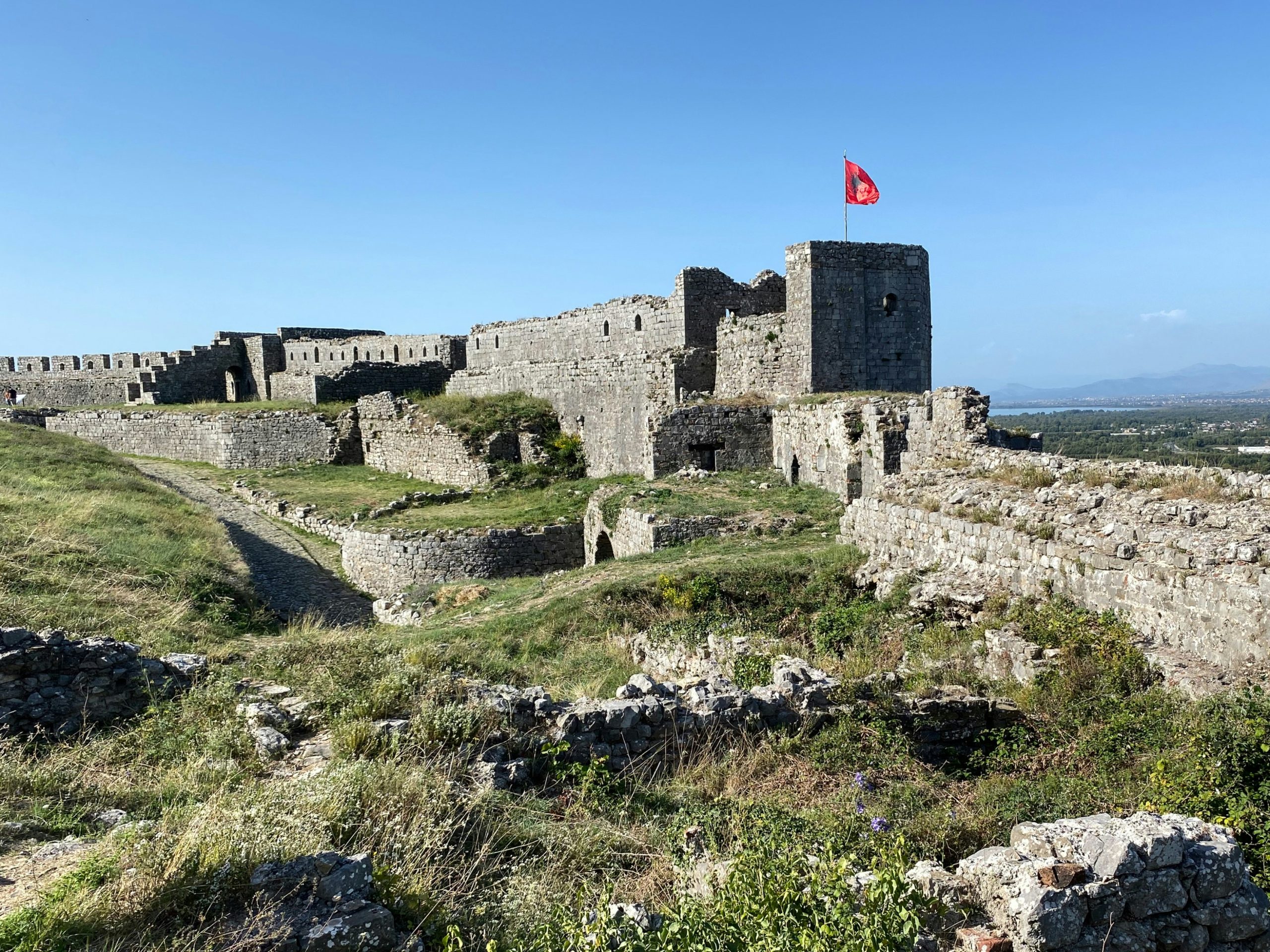
- Rozafa Castle: The city's iconic fortress with sweeping views and a deeper layer of legend and regional history.
The Historical Museum appears in our Complete Guide to Visiting Shkodër!
Moira & Andy
Hey! We're Moira & Andy. From hiking the Camino to trips around Europe in Bert our campervan — we've been traveling together since retirement in 2020!
This website uses affiliate links which may earn a commission at no additional cost to you!
Planning Your Visit
Monday - Friday: 08:00-15:00. Closed on Saturday & Sunday.
150 lek adults; 50 lek children.
Nearby Attractions
- Shkodra Historical Museum (0.0) km
Museum - Migjeni Theatre (0.2) km
Theatre - Englishman's Tower (0.3) km
Historic Building and Tower - Ebu Bekr Mosque (0.4) km
Mosque - Monument to Mother Teresa (0.5) km
Statue - Rruga Kolë Idromeno (0.5) km
Street - The National Museum of Photography (0.5) km
Museum - Marubi National Museum of Photography (0.5) km
Museum - Site of Witness and Memory (0.8) km
Museum - St Stephen's Cathedral (1.0) km
Cathedral