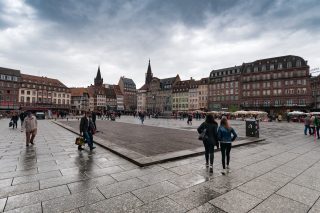
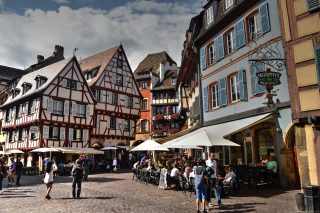
Historical Museum, Strasbourg
Historic Building, Historic Site and Museum in Strasbourg
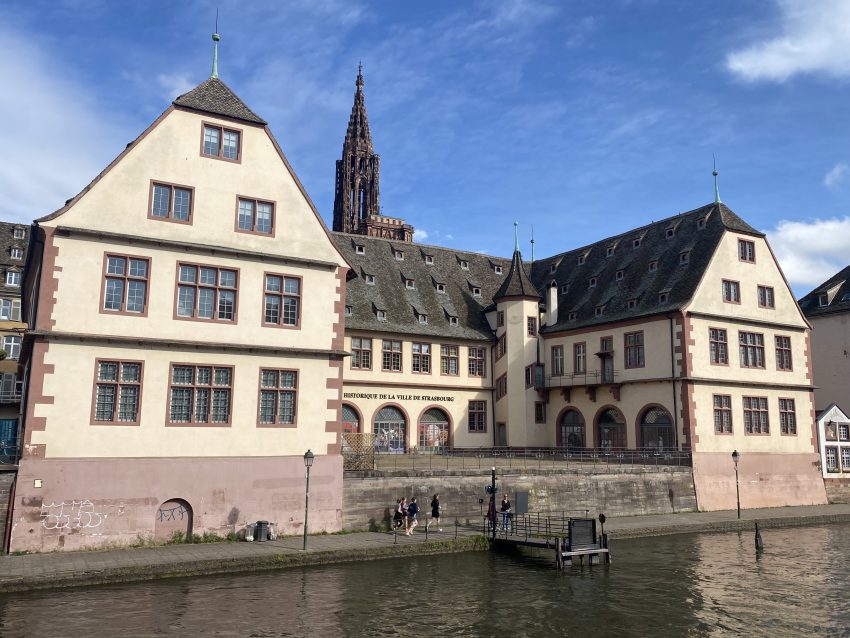
Tucked into Strasbourg's historic center, the Historical Museum (Musée Historique de la Ville de Strasbourg) is one of the best places to understand why this city feels distinctly French and unmistakably Alsatian at the same time. It's a compact, well-curated museum that walks you through centuries of local life, politics, and identity shifts in a city that has long sat at Europe's crossroads.
Because it's right in the heart of the Grande Île, it's easy to weave into a walking tour of the old town: pair it with the Cathedral area, riverside strolls, and the postcard-pretty lanes around Petite France. If you want one stop that gives context to everything you'll see outside, this is it.
Table of Contents
- History and Significance of the Historical Museum
- Things to See and Do in the Historical Museum
- How to Get to the Historical Museum
- Practical Tips on Visiting the Historical Museum
- Where to Stay Close to the Historical Museum
- Is the Historical Museum Worth Visiting?
- For Different Travelers
- FAQs for Visiting Historical Museum
- Nearby Attractions to the Historical Museum
History and Significance of the Historical Museum
The Historical Museum tells Strasbourg's story across roughly nine centuries, from medieval roots through modern times, with a particular focus on how the city evolved as borders, rulers, and cultural influences shifted. That “between France and Germany” tension isn't just a theme here; it's the key to understanding Strasbourg's architecture, language, and civic identity.
The museum is also significant for where it’s housed: a historic building tied to the city’s older commercial life, which adds atmosphere to the visit. Rather than feeling like a generic history overview, the exhibits are grounded in Strasbourg’s everyday people, trades, and institutions—useful context before you explore the streets, squares, and canals outside.
If you're visiting Strasbourg for European institutions, the museum helps connect the dots: it frames how a city shaped by conflict, commerce, and cultural blending became a symbol of modern European cooperation.
Things to See and Do in the Historical Museum
Start by following the chronological flow so the city's “big turns” make sense—medieval Strasbourg, the growth of civic power, and later periods when identity and governance changed hands. Visitors often find themselves staying longer than expected because the displays are dense but approachable, with clear labeling and a strong narrative thread.
Look out for the museum's standout large-scale models and visual displays that help you picture Strasbourg beyond today's streetscape. These are especially helpful if you've just arrived and want to orient yourself before continuing your walking tour through the Grande Île.
Families should keep an eye out for interactive elements: reviews frequently mention that some objects or stations are hands-on, which makes the museum feel less “do not touch” than many city-history collections. It's a solid rainy-day plan that still feels like you're getting to know Strasbourg.
How to Get to the Historical Museum
The nearest major airports are Strasbourg Airport (SXB) for the quickest arrival, with Karlsruhe/Baden-Baden (FKB) and Basel-Mulhouse-Freiburg (BSL/MLH/EAP) as useful alternatives depending on routes and prices. For the best deals and a seamless booking experience, check out these flights to Strasbourg on Booking.com.
Strasbourg is very well connected by rail, and arriving at Strasbourg-Ville station makes it easy to continue by tram, taxi, or a walk into the old town. You can use SNCF Connect to check schedules, compare routes, and purchase tickets for National (SNCF ) and regional trains (TER). For a more streamlined experience, we recommend using Omio, which allows you to easily compare prices, schedules, and book tickets for both National and Regional travel across all of Europe, all in one place.
If you’re traveling by car, plan to park outside the historic core and continue by tram or on foot, since central driving and parking can be slow and limited. If you are looking to rent a car in France I recommend having a look at Discover Cars, first, as they compare prices and review multiple car rental agencies for you.
Practical Tips on Visiting the Historical Museum
- Official website: https://www.musees.strasbourg.eu/musee-historique
- Entrance fee: Adults: €7.50; Reduced: €3.50; Under 18: free.
- Opening hours: Tuesday – Friday: 10:00–13:00 & 14:00–18:00. Saturday – Sunday: 10:00–18:00. Closed on Monday.
- Best time to visit: Go earlier in the day for a calmer, more focused visit, then continue your walk through the old town afterward.
- How long to spend: Plan for about 2 hours if you want to read displays and take your time; a quicker highlights visit can fit in 60–90 minutes.
- Accessibility: The museum is wheelchair-accessible, with elevator access to help you move between levels.
- Facilities: Expect essentials like restrooms, plus family-friendly basics such as baby-changing and practical loan items (for example, seating or mobility support when available).
Where to Stay Close to the Historical Museum
Stay in the Grande Île (historic center) for the easiest, most walkable access to the museum, the Cathedral, and riverside neighborhoods.
Hôtel Cour du Corbeau Strasbourg - MGallery A classic, character-rich stay in the old town—great if you want atmosphere and a special-occasion feel within easy walking distance.
Hôtel & Spa Régent Petite France Ideal if you want canal views and a polished, romantic base near Petite France, with spa time as a bonus after sightseeing.
Hôtel Hannong A strong mid-range option close to shops and transit, handy for travelers who want central convenience without going ultra-luxury.
Hotel Rohan A smart pick near the Cathedral area—excellent for early-morning walks before day-trippers arrive.
Ibis Strasbourg Centre Historique A practical budget-friendly base with straightforward comfort, good if you’re prioritizing value and public transport links.
Is the Historical Museum Worth Visiting?
Yes—if you want Strasbourg to make sense beyond the pretty façades, the Historical Museum is one of the most rewarding stops in the city. It's informative without being overwhelming, and many visitors find that two hours passes quickly thanks to the variety of exhibits and the clear storyline.
Honest Pivot: if you're not interested in history, or you prefer art museums and scenic viewpoints over reading and context, you may feel it's skippable. In that case, spend your limited time on a walking loop through Petite France, the Cathedral area, and a riverside stroll instead.
What Other Travellers Say...

Reviews are very positive overall, with travelers praising the museum as an engaging, well-organized way to understand Strasbourg’s unique history. Visitors commonly mention that it’s informative without feeling overwhelming, that two hours is a good baseline, and that families appreciate kid-friendly touches like interactive or hands-on elements. Staff are frequently described as welcoming, and many note it’s not as crowded as other central sights. The main drawback is that it’s best suited to people who genuinely enjoy history and reading exhibits; travelers looking for a quick, purely visual attraction may find it less compelling. A few visitors also hint that the narrative emphasis may feel stronger on the French side of the city’s Franco-German story.


For Different Travelers
The Historical Museum works best when you match it to your travel style: it's central, manageable in length, and especially valuable as a “context builder” early in your trip. Think of it as the place that turns Strasbourg from beautiful to meaningful.
Families with Kids
For families, this museum is a strong choice because it's not endlessly large, so kids can stay engaged without burning out. The story of Strasbourg is full of tangible hooks—maps, models, and city-life details that connect to what they'll see outside.
Plan a simple rhythm: museum first, then a treat break and a walk along the water. That way, the exhibits become a real-world scavenger hunt as you spot architectural clues and neighborhood changes.
Couples & Romantic Getaways
Couples will appreciate how the museum adds depth to a romantic weekend: it explains why Strasbourg looks and feels the way it does, which makes wandering the old streets more interesting. It's also a good low-key daytime plan before a nicer dinner in the center.
If you like traveling with a bit of narrative, visit early, then follow up with a slow walk through Petite France and along the canals. The contrast between “history inside” and “beauty outside” is part of the charm.
Budget Travelers
Budget travelers tend to like this museum because it’s good value for the amount of content, and it can easily fill a solid chunk of a day. It’s also centrally located, so you won’t spend extra money getting there.
To stretch your budget further, consider timing your visit around free-entry opportunities (when available) and pairing it with free walking time in the Grande Île afterward.
History Buffs
If you’re a history buff, this is a must: Strasbourg’s identity shifts are unusually visible, and the museum lays out the timeline clearly. You’ll get more out of everything else in town—especially civic buildings, fortification traces, and the mix of cultural references.
Take your time with the details and captions, then revisit key neighborhoods with fresh eyes. It’s the kind of museum that improves the rest of your itinerary rather than competing with it.
FAQs for Visiting Historical Museum
Getting There
Tickets & Entry
Visiting Experience
Tours, Context & Itineraries
Photography
Accessibility & Facilities
Food & Breaks Nearby
Safety & Timing
Nearby Attractions to the Historical Museum
- Strasbourg Cathedral (Cathédrale Notre-Dame de Strasbourg): The city's iconic landmark, famous for its façade and views from the platform.
- Palais Rohan: A grand historic complex that anchors several major collections and adds elegance to the Cathedral district.
- Petite France: Strasbourg's most photogenic quarter, with canals, half-timbered houses, and easy strolling routes.
- Musée Alsacien: A warm, atmospheric look at Alsatian daily life and traditions, perfect for cultural context.
- Barrage Vauban: A scenic spot for canal views and a classic Strasbourg photo stop, especially near sunset.
The Historical Museum appears in our Complete Guide to Visiting Strasbourg!

Moira & Andy
Hey! We're Moira & Andy. From hiking the Camino to trips around Europe in Bert our campervan — we've been traveling together since retirement in 2020!
This website uses affiliate links which may earn a commission at no additional cost to you!
Planning Your Visit
Tuesday - Friday: 10:00-13:00 & 14:00-18:00.
Saturday - Sunday: 10:00-18:00.
Closed on Monday.
Adults: €7.50; Reduced: €3.50; Under 18: free.
Nearby Attractions
- Musée Alsacien (0.1) km
Historic Building, Historic Site and Museum - Musée de l’Œuvre Notre-Dame (0.1) km
Historic Site and Museum - Cathédrale Notre-Dame de Strasbourg (0.1) km
Cathedral, Historic Building and Religious Building - Palais Rohan (0.2) km
Historic Building, Museum and Palace - Rue Mercière (0.2) km
Area, Street and Walk - Place de la Cathédrale (0.2) km
Area, Attraction and Square - Maison Kammerzell (0.2) km
Attraction and Historic Building - Place Gutenberg (0.2) km
Attraction, Historic Site and Square - Rue des Grandes Arcades (0.4) km
Area, Shop and Street - Cave Historique des Hospices de Strasbourg (0.4) km
Cave, Historic Site and Wine Cellar