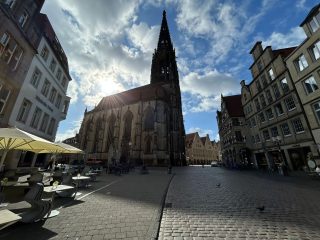
Heiligen-Geist-Hospital, Lübeck
Historic Building in Lübeck

The Heiligen-Geist-Hospital in Lübeck is one of the must-see places in Lübeck if you're interested in how medieval cities cared for their most vulnerable residents. Founded in the 13th century as both a hospital and almshouse, this complex of red brick walls, high gables, and peaceful courtyards tells a powerful story of charity, faith, and community support stretching back more than seven centuries. Walking through its chapel and former ward spaces, you can almost picture the monks, nurses, and townsfolk who once worked here to provide refuge and medical care.
Today, the Heiligen-Geist-Hospital is a museum and cultural venue that blends history with modern life: exhibitions, concerts, and seasonal events sit alongside preserved medieval interiors, making it a place where the past feels tangible rather than distant. The complex is often visited on walking tours of Lübeck, and it's easy to see why - in a single visit you get Brick Gothic architecture, social history, and a rare glimpse of how medieval welfare systems actually worked on the ground.
Table of Contents
- History and Significance of the Heiligen-Geist-Hospital
- Things to See and Do in the Heiligen-Geist-Hospital
- How to Get to the Heiligen-Geist-Hospital
- Practical Tips on Visiting the Heiligen-Geist-Hospital
- Where to Stay close to the Heiligen-Geist-Hospital
- Is the Heiligen-Geist-Hospital Worth Visiting?
- FAQs for Visiting the Heiligen-Geist-Hospital
- Nearby Attractions to the Heiligen-Geist-Hospital
History and Significance of the Heiligen-Geist-Hospital
Founded in the 13th century, the Heiligen-Geist-Hospital was established by wealthy citizens and religious authorities who believed that caring for the sick, elderly, and poor was a central Christian duty. At a time when there were no state-run welfare systems, institutions like this hospital formed the backbone of social support, offering food, shelter, and basic medical care to those who could not fend for themselves. Its creation underlined Lübeck's status not only as a commercial powerhouse of the Hanseatic League but also as a city deeply invested in organised charity.
Over the centuries, the hospital's role evolved in response to changing medical knowledge and social needs, but its underlying mission remained the same. Religious orders and lay staff worked side by side, nursing the ill during plagues, tending to the elderly, and offering refuge to the poor in times of war and hardship. This continuity of purpose makes the Heiligen-Geist-Hospital one of the oldest still-extant social institutions in Europe, with its walls bearing witness to countless personal stories of suffering and compassion.
As medical care gradually moved into more modern facilities, the hospital shifted towards cultural and heritage functions, yet its significance never faded. Today, visitors walking its corridors and courtyards are not just admiring architecture; they are encountering a living memorial to centuries of social care. The preserved interiors and interpretive displays help you understand how beds were arranged, how daily routines were structured, and how faith and medicine intertwined in medieval Lübeck.
Things to See and Do in the Heiligen-Geist-Hospital
Start your visit in the main courtyard and take a moment to soak up the Brick Gothic façades, with their tall gables, pointed arches, and patterned brickwork that catch the light beautifully. From here, you can step into the chapel, where soaring vaults and simple yet atmospheric décor set the tone for the rest of your exploration. The play of light through the windows and the sense of quiet make this an ideal place to pause and imagine the prayers and rituals that once framed daily life in the hospital.
Inside the former hospital wards, you'll find one of the most evocative spaces in the complex: long halls with wooden partitions and low, vaulted ceilings that give a vivid impression of how patients and residents once lived. Interpretive displays, old furniture, and surviving fresco fragments help you picture rows of beds, the smell of herbs, and the quiet footsteps of attendants moving between the sick. This spot is one of the best places to see in Lübeck if you're curious about the human side of medieval history, beyond churches and city gates.
Depending on the time of year, the Heiligen-Geist-Hospital may also host temporary exhibitions, concerts, or seasonal markets that breathe new life into the historic setting. These events offer a different way to experience the building, with music and stalls adding warmth and colour to the old brick halls. Even outside event times, wandering the smaller rooms and connecting passages reveals unexpected details - from carved beams to worn thresholds - that make the site feel intimate and lived-in rather than just a static museum.
How to Get to the Heiligen-Geist-Hospital
The easiest way to reach Lübeck from abroad is via Hamburg Airport (HAM), which offers frequent European and some long-haul flights and sits about an hour away by onward train or car. For the best deals and a seamless booking experience, check out these flights to Lübeck on Booking.com.
From Hamburg, regular regional trains run to Lübeck Hauptbahnhof in roughly 45-60 minutes; from the station, it's about a 15-20 minute walk through the Old Town to the Heiligen-Geist-Hospital, or you can take a short bus ride towards the central stops near the historic core. Train schedules and bookings can be found on Omio.
Long-distance and regional buses also connect Lübeck with other cities in northern Germany, usually arriving near the main station or at stops on the edge of the Old Town, from where it's an easy stroll to the hospital's central location.
If you're arriving by car, Lübeck is conveniently linked to Hamburg and the Baltic coast via the A1 motorway; follow signs for Lübeck-Zentrum and then for the Altstadt, park in one of the nearby car parks, and reach the Heiligen-Geist-Hospital on foot within a few minutes. If you are looking to rent a car in Germany I recommend having a look at Discover Cars, first, as they compare prices and review multiple car rental agencies for you.
Practical Tips on Visiting the Heiligen-Geist-Hospital
- Suggested tips: Combine your visit with nearby churches and streets in the northern Old Town to build a half-day itinerary focused on Lübeck’s spiritual and social history.
- Best time to visit: Late morning or early afternoon offers good light for photos and enough time to explore the interiors at a relaxed pace, especially outside peak summer weekends.
- Entrance fee:
- Opening hours:
- How long to spend: Allow 60-90 minutes to explore the chapel, wards, and courtyards, longer if a special exhibition or concert is taking place.
- Accessibility: The main approaches are relatively flat, but some interiors feature uneven floors, steps, and narrow passages; check ahead if you have specific mobility needs.
- Facilities: Toilets are usually available on site, while cafés, shops, and other services are just a short walk away in the surrounding Old Town streets.
- Photography tip: Use the natural light filtering through arched windows and doorways to capture atmospheric shots of the wards and chapel; be mindful of any restrictions on flash.
- Guided tours: Look out for guided tours that include the hospital, as they add rich context about medieval medicine, charity, and daily routines that can be easy to miss on a self-guided visit.
- Nearby food options: You'll find plenty of bakeries, cafés, and restaurants close by, making it easy to pair your visit with a coffee break or meal in the heart of Lübeck.
Where to Stay close to the Heiligen-Geist-Hospital
Staying within Lübeck's Old Town makes it simple to visit the Heiligen-Geist-Hospital whenever it suits your plans, whether you want to catch a quiet morning or an evening event. A particularly convenient option is Hotel KO15, located just a short walk away and ideal if you’re focusing on northern Old Town sights. For a more traditional atmosphere near major churches and central squares, Hotel an der Marienkirche offers a characterful base within easy reach of the hospital and other key landmarks. If you prefer a boutique feel with a touch of maritime charm, Hotel Die Reederin combines stylish interiors with a quiet yet central location perfect for exploring the city on foot.
Is the Heiligen-Geist-Hospital Worth Visiting?
The Heiligen-Geist-Hospital is absolutely worth visiting, especially if you're interested in the social side of medieval history rather than just its grand monuments. Few places in northern Europe offer such a well-preserved glimpse into how cities cared for the sick and poor, and the combination of chapel, wards, and courtyards creates a powerful, reflective atmosphere. It's the kind of site that deepens your understanding of Lübeck far beyond its role as a trading powerhouse.
For many travelers, a visit here becomes a quietly memorable highlight, revealing that medieval life was not only about merchants and guilds, but also about compassion and community responsibility. Whether you come for the architecture, the museum displays, or a special concert, the Heiligen-Geist-Hospital offers a rich, layered experience that easily earns its place on any thoughtful Lübeck itinerary.
What Other Travellers Say...

Hospital of the Holy Spirit, at Koberg 11 in Lübeck, is one of the world's oldest social institutions and welcomes visitors free of charge (donations suggested); the beautifully preserved entrance hall and large infirmary give a strong sense of its historical role caring for the less fortunate, and displays — including a model showing the original layout with beds and cemetery — help you understand the site, which is compact to explore and often hosts a popular Christmas market.


FAQs for Visiting the Heiligen-Geist-Hospital
Nearby Attractions to the Heiligen-Geist-Hospital
- Schiffergesellschaft - The historic sailors' guild house with a richly decorated interior, now a restaurant that brings Lübeck's maritime past to life.
- European Hansemuseum - A modern museum exploring the rise and network of the Hanseatic League, ideal for understanding Lübeck's broader historical context.
- Burgtor (Castle Gate) - The northern city gate, showcasing Lübeck’s medieval fortifications and marking the transition between Old Town and riverfront.
- St. Jakobi Church - A historic sailors’ church with links to Lübeck’s maritime community and a peaceful interior.
- Lübeck Old Town (Altstadt) - The UNESCO-listed historic centre, filled with brick churches, merchants' houses, narrow streets, and lively squares perfect for extended exploration.
The Heiligen-Geist-Hospital appears in our Complete Guide to Visiting Lübeck!

Moira & Andy
Hey! We're Moira & Andy. From hiking the Camino to trips around Europe in Bert our campervan — we've been traveling together since retirement in 2020!
This website uses affiliate links which may earn a commission at no additional cost to you!
Nearby Attractions
- Crane Convent (Kranen-Konvent) (0.1) km
Historic Building - Schiffergesellschaft (0.2) km
Historic Building - Lübeck Castle Gate (Burgtor) (0.3) km
City Gate and Historic Building - European Hansemuseum (0.3) km
Museum - St. Marien-Kirche (0.5) km
Church - Devil Statue at St. Marien-Kirche (0.5) km
Sculpture - Museum Harbour Lübeck (0.5) km
Museum - Lübeck Town Hall (0.6) km
Town Hall - Café Niederegger (0.6) km
Historic Building - Lübeck’s Old Market Square (Marktplatz) (0.6) km
Market