Hamburg Airport
in Hamburg
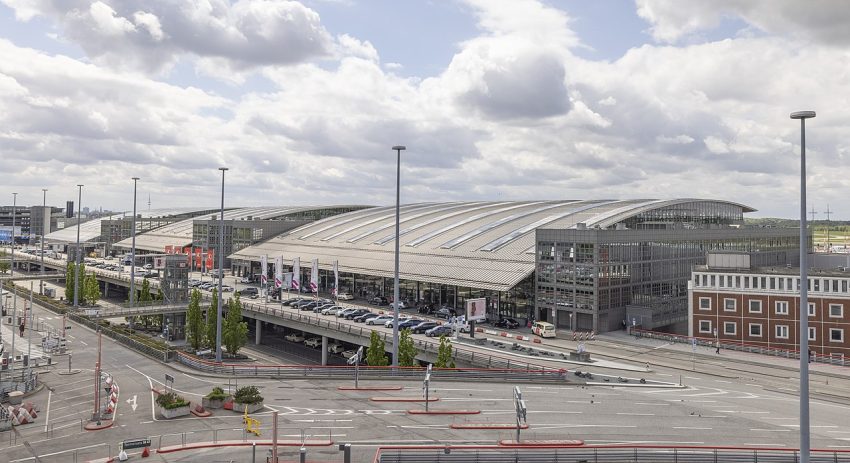
Hamburg Airport is the main gateway to the Hamburg Metropolitan Region. Located approximately 8.5 kilometers north of Hamburg's city center, this compact and efficient airport is the starting point for travelers exploring the vibrant city of Hamburg, the North Sea coast, the Baltic Sea coast, and the Hanseatic region. Whether you're arriving for the first time or departing after a memorable trip, this guide explains everything you need to know about navigating the airport with ease.
Table of Contents
- Why This Airport Matters
- History and Significance
- Airport Layout and Quick Facts
- Where to Stay Close to Hamburg Airport
- Getting To and From Hamburg Airport
- Arriving at Hamburg Airport
- Money Exchange & Currency Tips for Germany
- SIM Cards & Connectivity
- Departing from Hamburg Airport
- Airport Services and Facilities
- Lounges at Hamburg Airport
- Renting a Car at Hamburg Airport
- Flights and Airlines Operating at HAM
- Practical Tips for Using Hamburg Airport
- Can You Sleep Overnight at the Airport?
- Final Thoughts
Why This Airport Matters
Hamburg Airport, commonly known as HAM, holds immense strategic importance as the primary international air hub for Northern Germany. As one of the oldest operational airports in the world (established in 1911), it serves not only the economic powerhouse of Hamburg but also the surrounding states of Schleswig-Holstein and parts of Lower Saxony. Its significance is rooted in its role as a crucial facilitator of the region's strong global connections, particularly in trade, logistics, and high-tech industries, most notably aviation, being home to major Airbus facilities.
The airport is indispensable to the city’s identity and economy, offering direct connections that support Hamburg’s status as a major port and media center. Unlike many major European airports, HAM is exceptionally close to the city center, a geographical advantage that significantly enhances its convenience for both business travelers and tourists. This close proximity, coupled with excellent public transport integration, makes it the preferred and most efficient gateway for millions of passengers seeking access to the cultural, historical, and commercial vibrancy of the Hanseatic League’s former capital.
History and Significance
Hamburg Airport's history is distinguished by its incredible longevity; founded in January 1911, it is one of the world's longest-continuously operating commercial airports. Initially a small airship port, it quickly grew, playing a significant, albeit challenging, role through both World Wars. Its modern significance began to take shape after World War II, when it was returned to German control and underwent continuous expansion to accommodate the rapid growth of air travel. A pivotal moment came with the opening of the current terminal buildings, which were designed to handle increasing capacity while maintaining the airport's characteristically efficient flow.
The airport’s enduring significance today lies in its balanced service to both scheduled passenger airlines and the massive adjacent industrial area. It is a critical hub for Lufthansa’s technical operations and supports the Airbus Finkenwerder plant, where major aircraft components are manufactured and assembled. This dual role-serving as both a vital commercial passenger airport and a key industrial aviation site-cements HAM’s importance far beyond passenger throughput. Its consistent high quality of service and accessibility have made it a benchmark for urban-integrated airports across Europe.
Airport Layout and Quick Facts
Hamburg Airport features a highly efficient, compact, and user-friendly layout centered around two main, interconnected terminals: Terminal 1 and Terminal 2. Both terminals are linked by the Airport Plaza, a central, modern structure that houses most of the security checkpoints, shops, restaurants, and common facilities. This integrated design allows passengers to move seamlessly between the two terminals and access the central amenities without needing shuttles or long outdoor walks.
The Airport Plaza also provides direct, sheltered access to the subterranean Airport S-Bahn station (S1 line), which is the cornerstone of the airport’s excellent connection to the city. All departure gates are accessible from the post-security areas within the Plaza, ensuring short walking distances to the gates. The airport operates a single runway system, though it has two runways, meaning flight operations are managed efficiently without the massive scale of Europe’s mega-hubs. This layout contributes significantly to HAM’s reputation for short wait times and quick transitions.
Where to Stay Close to Hamburg Airport
The convenience of Hamburg Airport's location is enhanced by several high-quality hotels situated within a very short walk of the terminals, making them ideal for early departures or late arrivals. These on-site properties offer premium soundproofing and excellent amenities, ensuring a restful stay without needing a shuttle.
Radisson Blu Hotel, Hamburg Airport Located directly opposite the terminals and accessible via a pedestrian walkway, this premium hotel offers state-of-the-art facilities, fine dining, and extensive meeting spaces, making it ideal for business travelers.
Ibis Hamburg Airport A highly practical, value-focused hotel offering comfortable, functional rooms, known for its twenty-four-hour reception and quick connectivity to the terminals via a short bus or taxi ride.
Leonardo Hotel Hamburg Airport Situated slightly off-site but still very close, this hotel offers spacious rooms and a wellness area, often featuring a dedicated shuttle service to the terminals for convenient access.
Getting To and From Hamburg Airport
By Bus
Various bus lines serve the airport, connecting it to surrounding neighborhoods and important regional locations. The HVV (Hamburg Transport Association) network integrates these services, offering economical transport. However, for direct travel to the city center, the S-Bahn train is usually the fastest option.
By Taxi
Taxis are available immediately outside the Arrivals areas of both Terminal 1 and Terminal 2. The journey to central Hamburg (e.g., Hauptbahnhof or Rathaus) typically takes between twenty-five and forty minutes, depending heavily on traffic conditions, which can be dense during peak hours. Expect fares to range from thirty to forty-five Euros.
By Train
The S-Bahn S1 line is the best and most reliable link between Hamburg Airport and the city center. The station, Hamburg Airport (Flughafen), is located directly beneath the Airport Plaza. Trains run every ten minutes, and the journey to Hamburg Central Station (Hauptbahnhof) takes approximately twenty-five minutes. This service is fast, frequent, and fully integrated into the HVV public transport system.
By Car
The airport is accessible via the main feeder roads leading directly off the A7 motorway, making for straightforward access. The drive to the city center is short (about 8.5 km), but travelers should factor in significant traffic delays. The airport offers numerous short-term and long-term parking facilities, including multi-story car parks directly adjacent to the terminals.
By Transfers and Shuttles
Many surrounding hotels and larger businesses in the Fuhlsbüttel district offer private shuttle services. Additionally, specialized transfer services can be pre-booked for travel to regional cities like Kiel or Lübeck, offering door-to-door convenience, especially for groups or passengers with extensive luggage.
Arriving at Hamburg Airport
Arriving at Hamburg Airport is a swift process designed for efficiency. International arrivals from outside the Schengen Area will proceed through passport control located conveniently before the baggage reclaim zone. Arrivals from within the Schengen Zone bypass formal border checks entirely. The baggage carousels are located centrally and are quickly accessible from the gates.
Upon exiting the security area, you step directly into the Arrivals Hall within the Airport Plaza, the heart of the complex. Here, you will find information desks, currency exchange services, and car rental counters. Crucially, the entrances to the S-Bahn station (S1 line) are clearly signposted and only a short walk downstairs, ensuring immediate access to fast public transport onward to the city center, distinguishing HAM as one of Europe’s most easily accessible airports.
Money Exchange & Currency Tips for Germany
The official currency of Germany is the Euro (€). While Germany, and particularly Hamburg, is highly card-friendly for major transactions (hotels, large shops, major restaurants), smaller businesses, particularly bakeries, independent cafes, and smaller bars, still often prefer or even require cash (Bargeld). It is always wise to carry a small amount of cash (fifty to one hundred Euros).
At Hamburg Airport, you will find ATMs (Geldautomaten) operated by major German banks located throughout the terminals and the Airport Plaza. These generally offer better exchange rates than dedicated currency exchange booths, of which there are also a few available. For the best rates, withdrawing cash directly from a bank ATM using a travel-friendly debit card upon arrival is recommended.
SIM Cards & Connectivity
Connectivity is simple and immediate at Hamburg Airport. The airport provides free Wi-Fi access across all terminals and the Airport Plaza. You can connect to the “Free Airport WiFi” network, which is generally reliable and sufficient for checking emails, directions, and communicating initial arrival details.
For purchasing a local SIM card, you can often find kiosks or convenience stores located in the Arrivals Hall or the Airport Plaza. Major German mobile carriers like Deutsche Telekom (T-Mobile), Vodafone, and O2 offer prepaid tourist SIM packages. These plans are convenient for travelers needing a local number and consistent, high-speed data for navigation and calls throughout Germany. Buying a SIM at the airport is an efficient way to get connected without having to locate a dedicated carrier store in the city.
Departing from Hamburg Airport
The departure experience at Hamburg Airport is marked by its streamlined efficiency. All check-in desks for both Terminal 1 and Terminal 2 are easily found off the main landside floor. Travelers should confirm their terminal via the airport monitors upon arrival, but the close proximity of the terminals makes any necessary walking short. Self-service check-in kiosks are widely available for major airlines, speeding up the luggage drop-off process.
Security screening is primarily managed from a central area within the Airport Plaza, directly connecting the landside to the main airside departure hall. After clearing security, passengers enter a spacious zone filled with shops, dining, and seating, all within short walking distance of the gates. This design ensures minimal stress and easy navigation up until the final call for boarding.
Airport Services and Facilities
Food and Drink
The Airport Plaza and the airside departure areas offer an extensive selection of food and beverage options, ranging from quick coffee bars (like Starbucks) and fast-food chains to German bakeries (such as Marché Bakery) and full-service restaurants serving international and local cuisine.
Shops
A large retail area includes duty-free shops, clothing boutiques, souvenir stores selling regional products, and newsagents/convenience stores for last-minute needs. The shopping facilities are concentrated in the Airport Plaza and the main post-security concourse.
ATMs and Currency
Multiple ATMs are located landside and airside throughout the terminals, dispensing Euros. Currency exchange counters are also available in the Arrivals area for converting foreign currency.
Wi-Fi and Charging
Free, unlimited Wi-Fi is available across the entire airport premises. Numerous charging points and integrated power sockets are conveniently located in the waiting areas, especially in the newer parts of the terminals and lounges.
SIM Cards
SIM cards can be purchased at newsagents or specialized electronic stores within the Airport Plaza and Arrivals Hall.
Family and Accessibility Facilities
HAM is known for being family-friendly, offering dedicated children’s play areas and comfortable, private baby changing facilities. The entire airport is designed to be fully accessible, with ramps, elevators, and dedicated assistance services (PRM/PMR) available for travelers with reduced mobility, which should be requested in advance through your airline.
Medical and Assistance Points
First-aid services and a doctor’s office are available within the airport complex. Information points are staffed to direct passengers to medical aid or any other necessary assistance.
Lounges at Hamburg Airport
Hamburg Airport provides several comfortable and well-equipped airport lounges. The main facilities include the Lufthansa Business and Senator Lounges in Terminal 2, which cater to their frequent flyers and premium passengers. Additionally, independent lounges, such as the Hamburg Airport Lounge (or similar third-party branded lounges), are available, often accessible to passengers flying with various airlines, via specific credit cards, or through independent programs like Priority Pass. Paid entry is also typically offered at these independent lounges, providing all travelers with a quiet space, complimentary refreshments, and Wi-Fi access before departure.
Renting a Car at Hamburg Airport
Renting a car at Hamburg Airport is a popular and straightforward option for visitors planning to explore the northern German states or the Danish border region. All major international and local car rental agencies, including Hertz, Avis, Sixt, Europcar, and Budget, maintain desks in the Arrivals Hall within the Airport Plaza. The dedicated car hire center is easily located and accessible upon arrival.
The rental vehicle parking area is conveniently situated in the multi-story car park (P2), which is directly linked to the terminal buildings, allowing for a quick transition from the counter to your vehicle. Given the airport’s proximity to major motorways, drivers can quickly access the A7 heading north or south. Pre-booking, especially during summer or major trade fair periods, is strongly advised to ensure the best selection and rates.
Flights and Airlines Operating at HAM
Hamburg Airport (HAM) hosts an extensive and diverse range of flights, cementing its status as a vital Northern European transport hub. The route network is predominantly European, with key connections to major commercial centers like London, Paris, Frankfurt, and Amsterdam, served by flag carriers such as Lufthansa, British Airways, and Air France. The airport is also a significant base for low-cost carriers like easyJet and Ryanair, offering frequent services to leisure destinations across Southern Europe and the Mediterranean.
While the primary focus is on intra-European travel, HAM also operates several crucial long-haul routes, mainly to destinations like Dubai (Emirates) and occasionally to North America or Asia, catering to business and high-spending tourism. Seasonal patterns see a marked increase in flights to warmer holiday spots in summer and an uptick in flights for major events like the city’s trade fairs, but the core city-to-city network remains strong year-round due to Hamburg’s consistent business demand.
For the best deals and a seamless booking experience, check out these flights to Hamburg on Booking.com.Practical Tips for Using Hamburg Airport
- Utilize the S1 Train: The S-Bahn S1 line is by far the fastest and most cost-effective way to reach the city center. The station is directly accessible from the Airport Plaza.
- Buy HVV Tickets: Purchase your HVV (Hamburg Transport Association) ticket before boarding the S1 train. Tickets are available from vending machines at the S-Bahn station entrance.
- Allow City Traffic Time: If traveling by taxi or private car to the airport, always allow an extra buffer of at least fifteen to twenty minutes, as the short distance from the city center often translates to heavy, unpredictable traffic congestion.
- Consolidate at Airport Plaza: Since both terminals are linked by the Airport Plaza, utilize this central area for most services-checking flight status, accessing lounges, shopping, and security.
- Cash for Small Purchases: While credit cards are widely accepted, have some cash on hand for quick snacks or unexpected small expenses in some German establishments.
Can You Sleep Overnight at the Airport?
Overnight sleeping is generally tolerated at Hamburg Airport, though comfort levels are typical for a busy urban facility. The terminal remains open twenty-four hours a day, making it viable for passengers with very early departures or extended layovers.
Passengers looking to rest often find space in the Arrivals Halls or the general seating areas landside, as the airside areas may have restricted access overnight. Security is generally visible but permissive of travelers resting quietly. Seating tends to be standard public benches or chairs, many with fixed armrests, making it difficult to stretch out completely. While the airport is well-lit and can be noisy with cleaning and maintenance operations, it is considered safe. For travelers prioritizing comfort, silence, and privacy, the on-site hotels-the Radisson Blu being the closest-provide a significantly better and fully restful alternative just steps away from the terminals.
Final Thoughts
Hamburg Airport (HAM) stands out as an exceptionally convenient, historic, and efficiently operated European airport. Its compact layout, coupled with its direct, rapid rail link (S1) to the city center, makes the transition between air travel and ground travel virtually seamless. From its position supporting the region's strong industrial base to facilitating the flow of tourists eager to explore the Hanseatic city of Hamburg, HAM excels in providing a high-quality travel experience. Its modern facilities and quick processing times solidify its reputation as the perfect, stress-free gateway to Northern Germany and beyond.
What Other Travellers Say...

Hamburg Airport at Flughafenstr. 1-3 is a two-terminal, 24-hour airport where visitors note it's clean and efficient, convenient for getting from A to B, and includes amenities such as a Radisson Blu hotel, a large McDonald's with a children's play area and various businesses; guided tours are available that feature a model exhibition and a visit to the on-site fire brigade, though some travelers report slow baggage delivery at times.


The Hamburg Airport appears in our Complete Guide to Visiting Hamburg!

Moira & Andy
Hey! We're Moira & Andy. From hiking the Camino to trips around Europe in Bert our campervan — we've been traveling together since retirement in 2020!
This website uses affiliate links which may earn a commission at no additional cost to you!
Nearby Attractions
- Hamburger Kunsthalle (8.5) km
Arts Venue - City Hall (9.0) km
Historic Building - Rathausmarkt (9.0) km
Square - St. Peter’s Church (9.1) km
Church - St. Catherine’s Church (9.6) km
Church - Speicherstadt (9.7) km
Area - Old Elbe Tunnel (9.8) km
Tunnel - Miniatur Wunderland (9.8) km
- Maritime Museum (9.8) km
Museum - Elbphilharmonie (10.1) km
Arts Venue