Hallstatt Salt Mine
Mine in Hallstatt
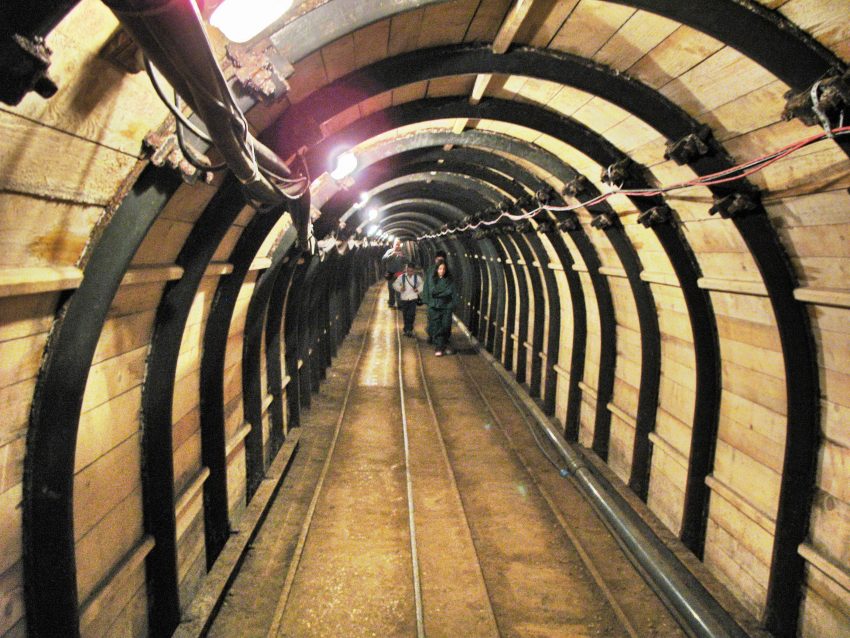
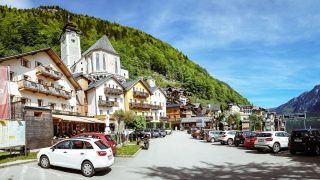
Hallstatt Salt Mine, also known as Salzwelten Hallstatt, is one of the most famous attractions in the Salzkammergut and easily one of the best places to visit in Hallstatt if you want more than just postcard views. Sitting high above the village on the Salzberg, it combines a spectacular setting with a genuinely important archaeological site, making it feel far more substantial than a standard tourist stop. The experience is part history lesson, part mountain adventure, and part classic Hallstatt outing.
What makes it stand out is not just the scenery or the family-friendly underground tour, but the sheer age of the place. This is widely presented as the world's oldest salt mine, with evidence of salt extraction in Hallstatt going back around 7,000 years, and that deep past still shapes the identity of the village today. If you are following a Hallstatt walking tour or building a fuller day around the lake, the salt mine is one of the most rewarding anchor attractions you can add.
Table of Contents
- History and Significance of the Hallstatt Salt Mine
- Things to See and Do in the Hallstatt Salt Mine
- How to Get to the Hallstatt Salt Mine
- Practical Tips on Visiting the Hallstatt Salt Mine
- Where to Stay Close to the Hallstatt Salt Mine
- Is the Hallstatt Salt Mine Worth Visiting?
- For Different Travelers
- FAQs for Visiting Hallstatt Salt Mine
- Nearby Attractions to the Hallstatt Salt Mine
History and Significance of the Hallstatt Salt Mine
The Hallstatt Salt Mine is not simply an old industrial site; it is one of the defining historic places of prehistoric Europe. Archaeological evidence from the Hallstatt area shows that people were extracting and trading salt here thousands of years ago, and that wealth helped turn this alpine settlement into a place of unusual importance long before Hallstatt became a modern travel destination. The mine's story is tied directly to the development of the region and to the broader history of early Europe.
The significance of Hallstatt grew even further with the discoveries made around the burial grounds above the village in the 19th century. Those finds were so important that the Early Iron Age cultural horizon from roughly 800 to 400 BC became known as the Hallstatt period. That is a rare distinction for any destination, and it means a visit here is not just about seeing an old mine, but about standing in a place that helped name an entire chapter of European archaeology.
Today, Salzwelten Hallstatt presents that long history in a way that is accessible rather than academic. Visitors move through the mountain in miners' clothing, pass through dramatic chambers, and encounter installations that connect ancient extraction methods with later mining life. It is one of those attractions that manages to feel both educational and entertaining, which helps explain why it has remained such a signature stop in Hallstatt for generations.
Things to See and Do in the Hallstatt Salt Mine
The underground tour is the main event, and it is designed to make the mine feel lively rather than static. Instead of just walking past signs, you move through the tunnels as part of a guided route that includes the famous miners’ slides and the crossing over the underground salt lake. Those playful elements are a large part of why the attraction works so well for first-time visitors and families.
One of the most compelling aspects of the visit is the constant reminder that this is a working heritage landscape rather than a recreated museum. The combination of prehistoric context, mining technology, and the preserved atmosphere inside the mountain gives the tour a stronger sense of place than many comparable attractions. Even travelers who are not usually drawn to industrial history often find this one memorable because the presentation is so immersive.
The setting above Hallstatt also adds to the experience. In normal operation, many visitors combine the mine with the funicular and the Skywalk, which makes the outing feel like a half-day excursion rather than a single attraction. That mix of alpine views and underground heritage is part of what makes the Hallstatt Salt Mine such a classic stop on a Hallstatt itinerary.
How to Get to the Hallstatt Salt Mine
Reaching the Hallstatt Salt Mine is not especially difficult, but it is not as simple as walking to a church or market square in the village centre. The mine sits above Hallstatt on the Salzberg, and in regular operation most visitors use the funicular to reach the upper area before continuing to the attraction itself. The nearest major airport for most international travelers is Salzburg Airport, while Vienna Airport is the main long-haul gateway for those building a broader Austria trip. For the best deals and a seamless booking experience, check out these flights to Hallstatt on Booking.com.
If you are arriving by public transport, the usual rail route is to Hallstatt station on the opposite side of the lake, followed by the ferry crossing into the village, then the onward climb or funicular connection toward the mine area. The train journey is scenic and very practical for travelers not using a car, but it does require a few steps, so it is worth allowing extra time rather than treating it like a door-to-door museum stop. You can easily check timetables and book train tickets through the ÖBB (Austrian Federal Railways) website. However, for a smoother experience, we recommend using Omio, which simplifies the booking process and lets you compare routes, prices, and departure times all in one place.
Driving gives you the most flexibility if you are exploring the Salzkammergut region, but Hallstatt is not a destination where a car makes the final approach feel effortless. Parking is generally outside the historic centre, and you should expect to continue on foot from the designated lots before making your way toward the salt mine access point. If you are looking to rent a car in Austria I recommend having a look at Discover Cars, first, as they compare prices and review multiple car rental agencies for you.
Buses can also be useful as part of a regional Salzkammergut itinerary, especially when combined with train travel from larger Austrian cities. They are less seamless than driving or direct rail connections, but they can still work well if you are planning a full day in Hallstatt and nearby lake villages rather than a rushed in-and-out visit.
Practical Tips on Visiting the Hallstatt Salt Mine
- Entrance fee: Salt Mine with round-trip funicular: Adults €49; Children (4–15) €23.
- Opening hours: Daily: 09:00 - 16:00
- Official website: https://www.salzwelten.at/en/hallstatt
- Best time to visit: Aim for the shoulder months or the earlier part of the day when Hallstatt feels less congested. The setting is beautiful year-round, but crowds can shape the experience more than the weather.
- How long to spend: Allow around half a day if you want to include the approach, the tour itself, and time for the mountain views. If you are also pairing it with the Skywalk, it is better not to squeeze it into a very tight schedule.
- Accessibility: This is not the easiest Hallstatt attraction for travelers with limited mobility because the visit involves mountain access and an underground environment. Check the official accessibility guidance before planning around it.
- Facilities: Visitor services are generally geared to a major attraction, but they depend on the site being fully operational. Since the Hallstatt site is currently closed until summer 2026, confirm the latest arrangements before building your day around it.
Where to Stay Close to the Hallstatt Salt Mine
For a culture-heavy Hallstatt trip, the best base is central Hallstatt itself so you can stay close to the lakefront, the historic core, and the route toward the salt mine; if your wider trip is more about scenery and easier parking, nearby Obertraun can be the more practical choice.
Staying in Hallstatt lets you experience the village once the day-trippers thin out, which is easily the most atmospheric way to see the area. That is especially useful if the salt mine is one of your priority stops, because you can position yourself for an earlier start and combine it with other highlights without rushing. Heritage Hotel Hallstatt is a strong choice if you want to be right in the heart of the village, while Seehotel Grüner Baum is ideal if lakeside character matters as much as convenience.
If you would rather trade absolute centrality for a little more breathing room, Dormio Resort Obertraun works well for travelers with a car or for those planning to explore more of the Dachstein and Salzkammergut area. It does not give you the same old-village atmosphere as sleeping in Hallstatt, but it can make more sense for longer regional trips where the salt mine is just one part of the itinerary.
Is the Hallstatt Salt Mine Worth Visiting?
Yes, decisively so. If you have enough time in Hallstatt to do more than stroll the waterfront and take the standard photos, the Hallstatt Salt Mine is one of the most worthwhile additions you can make because it gives real depth to the destination. It explains why Hallstatt matters, not just why it is pretty, and that historical dimension makes the village feel much richer.
The honest pivot is that it is not for everyone. If you only have a very short stop in Hallstatt, are mainly there for lakeside views, or dislike guided attraction experiences, you may be better off sticking to the village lanes, viewpoints, and waterfront instead. It is also a poor fit for anyone expecting a quick, casual drop-in, because the logistics and time commitment make it feel more like a half-day excursion than a five-minute landmark.
What Other Travellers Say...

Reviews consistently describe the Hallstatt Salt Mine tour as a must-do, praising the well-paced guided experience with strong historical explanations, multimedia elements, and interactive features like miner's slides and an underground train ride. Visitors also highlight unique sights such as the clear underground salt lake and the chance to learn about an active, working mine. The main drawback mentioned is the physical effort required, including a hike and many stairs to reach and enter the mine, and one brief audiovisual segment that felt oddly short.


For Different Travelers
Families with Kids
Families usually get a lot out of the Hallstatt Salt Mine because it has the kind of built-in novelty that keeps children engaged. The miners' slides, underground lake crossing, and dress-up element make it feel more interactive than a conventional museum, which helps younger visitors connect with the history without feeling as though they are in a classroom.
That said, it still works best when treated as a structured outing rather than a spontaneous detour. Build in enough time for transitions, bring layers, and avoid trying to combine too many major Hallstatt stops in the same half-day if you are traveling with younger children.
Couples & Romantic Getaways
For couples, the Hallstatt Salt Mine works best when folded into a broader Hallstatt day that balances views, village atmosphere, and one substantial attraction. It adds historical depth to what can otherwise become a purely scenic visit, and the ride up the mountain area helps create more of a shared excursion than just a walk through town.
It is particularly worthwhile for couples who enjoy heritage travel and want to understand the place they are visiting rather than simply photographing it. If your priority is a slower, romantic day by the lake, though, you may prefer the mine as an optional extra rather than the centrepiece of the visit.
Budget Travelers
Budget travelers should think carefully about whether the Hallstatt Salt Mine matches the rest of their plans, because it is one of the more premium experiences in town. It offers substance and a memorable setting, but the ticket cost can feel steep if you are already visiting Hallstatt mainly for the public viewpoints and village atmosphere.
If the budget is tight, a good compromise is to focus on Hallstatt's free or lower-cost pleasures and reserve the mine for a longer Austria trip with more room in the budget. On the other hand, if you only plan to visit Hallstatt once, this is one of the few paid attractions here that can genuinely justify the spend.
History Buffs
For history-focused travelers, this is one of the strongest reasons to come to Hallstatt at all. The site is not just old in a vague sense; it is directly tied to prehistoric extraction, major archaeological discoveries, and the naming of the Hallstatt cultural period, which gives it a seriousness many scenic destinations lack.
History buffs are also the travelers most likely to appreciate how the mine connects landscape, labor, trade, and burial culture into one place-based story. Even if you have visited other European mining attractions, Hallstatt stands apart because of that unusually deep time range and its archaeological importance.
FAQs for Visiting Hallstatt Salt Mine
Getting There
Tickets & Entry
Visiting Experience
Tours, Context & Itineraries
Photography
Accessibility & Facilities
Food & Breaks Nearby
Safety & Timing
Nearby Attractions to the Hallstatt Salt Mine
- Hallstatt Skywalk offers the classic elevated panorama over the village, lake, and surrounding mountains.
- Rudolf's Tower combines historic atmosphere with sweeping views and is a natural companion stop in the upper Hallstatt area.
- Hallstatt Market Square is the village's social heart and a pleasant place to slow down after the more structured mine visit.
- The Hallstatt Lutheran Church is one of the village's best-known landmarks and features in many of its iconic lake views.
- The Hallstatt Ossuary at St. Michael's Chapel adds another layer of local history and is one of the most distinctive heritage sights in town.
The Hallstatt Salt Mine appears in our Complete Guide to Visiting Hallstatt!

Moira & Andy
Hey! We're Moira & Andy. From hiking the Camino to trips around Europe in Bert our campervan — we've been traveling together since retirement in 2020!
This website uses affiliate links which may earn a commission at no additional cost to you!
Planning Your Visit
Daily: 09:00 – 16:00
Salt Mine with round-trip funicular: Adults €49; Children (4-15) €23.
Nearby Attractions
- Rudolf Tower (0.7) km
Hotel and Viewing Point - Hallstatt Skywalk (0.7) km
- Hallstatt Salt Mine Funicular (0.9) km
Funicular - Hallstatt Bone House (1) km
Church - World Heritage Museum Hallstatt (1) km
Museum - Hallstatt Market Square (1.1) km
Square - Christuskirche (1.1) km
Church - Archaeological Excavations in Hallstatt (1.1) km
Historic Site - Salt Mine Visitor Center (1.1) km
- Waldbachstrub Waterfall (2.2) km
Waterfalls