Grande Muraille of Saint-Émilion
Historic Site in Saint-Émilion
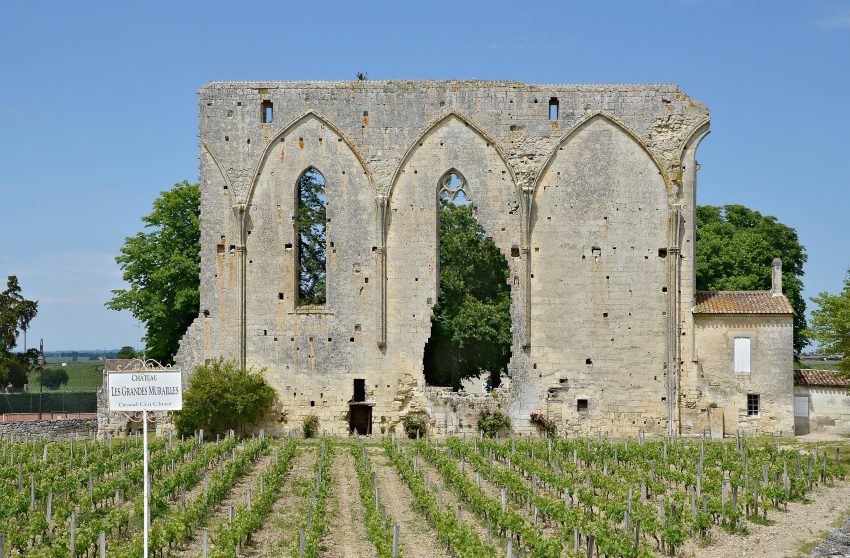
Les Grandes Murailles is one of Saint-Émilion’s most striking “what is that doing here?” sights: a towering, solitary wall rising at the edge of the vineyards, like a stage set left behind from the Middle Ages. It’s the last visible remnant of a Dominican monastery founded in the 12th century, and the scale of the stonework is what stops you in your tracks-this isn’t a modest ruin, but a bold fragment that still feels powerful in the landscape.
Because it sits slightly away from the busiest lanes, it's a satisfying stop on a walking tour of Saint-Émilion when you want something quieter and more open-air than the town's underground highlights. The setting is part of the appeal: vines in the foreground, medieval masonry behind them, and a sense of the town's defensive edge in the distance. For many visitors, this spot is one of the top sights in Saint-Émilion precisely because it combines history and scenery in a single, effortless detour.
Table of Contents
- History and Significance of Les Grandes Murailles
- Things to See and Do in Les Grandes Murailles
- How to Get to Les Grandes Murailles
- Practical Tips on Visiting Les Grandes Murailles
- Where to Stay Close to Les Grandes Murailles
- Is Les Grandes Murailles Worth Visiting?
- For Different Travelers
- FAQs for Visiting Les Grandes Murailles
- Nearby Attractions to Les Grandes Murailles
History and Significance of Les Grandes Murailles
The wall you see today is the last surviving piece of a Dominican monastery that once stood on this site, established during Saint-Émilion’s medieval rise. The Dominicans were a mendicant order, known for preaching and teaching, and their communities relied heavily on donations and local support, which makes the monumental scale of the remaining wall feel especially intriguing.
During the Hundred Years’ War, the monastery was deliberately destroyed, leaving only this fragment as a kind of accidental monument to the conflict. Its location, close to fortifications and overlooking approaches to the town, also hints at why religious complexes could become strategically important-places of refuge, observation, and contested control when loyalties and borders shifted.
Today, the ruin’s significance is as much visual as historical. Set beside vineyards associated with Château Les Grandes Murailles, it has become one of those rare medieval remains that feels inseparable from the wine landscape around it, linking Saint-Émilion’s spiritual past to its modern identity with a single, unforgettable silhouette.
Things to See and Do in Les Grandes Murailles
Begin by taking in the wall from a distance so you can appreciate its height and the way it dominates the vineyard edge. The best first impression comes from stepping back far enough to see the full profile, which makes the ruin feel less like “leftover stone” and more like a deliberate landmark.
Move closer and look for the texture: the thickness of the masonry, the rhythm of openings, and the slight irregularities that remind you this was built for function, not perfection. Even without a full structure around it, the wall communicates the scale the monastery once had, which is the key to understanding why its destruction still feels dramatic centuries later.
Finally, treat it as a scenic pause in your day. It’s ideal for photos, a quiet moment away from the town centre, or a short reset before you head back into the lanes for churches, viewpoints, and tastings.
How to Get to Les Grandes Murailles
Most international visitors arrive via Bordeaux-Mérignac Airport (BOD). For the best deals and a seamless booking experience, check out these flights to Saint-Émilion on Booking.com. From Bordeaux, continue toward Saint-Émilion, then explore the historic area on foot once you arrive.
By train, travel via Bordeaux Saint-Jean to Saint-Émilion station, then walk uphill into town or take a short taxi for the climb. You can use SNCF Connect to check schedules, compare routes, and purchase tickets for National (SNCF ) and regional trains (TER). For a more streamlined experience, we recommend using Omio, which allows you to easily compare prices, schedules, and book tickets for both National and Regional travel across all of Europe, all in one place. Les Grandes Murailles works best as part of a loop that takes you toward the town’s quieter edges rather than staying only on the main lanes.
Local buses and seasonal shuttles can connect Bordeaux or Libourne with the Saint-Émilion area, but services are typically less frequent than trains, so they're best used when timings align with your day. Once you're in town, expect to finish the last stretch on foot.
If you’re driving, park outside the medieval core and build Les Grandes Murailles into a perimeter-style walk that also includes viewpoints and fortification lines. If you are looking to rent a car in France I recommend having a look at Discover Cars, first, as they compare prices and review multiple car rental agencies for you.
Practical Tips on Visiting Les Grandes Murailles
- Entrance fee: Free
- Opening hours: Open daily, 24 hours (outdoor site; best visited in daylight)
- Best time to visit: Go when the light is low and warm for the most dramatic stone-and-vineyard contrast, or when the town centre is busiest and you want a quieter detour.
- How long to spend: 15-30 minutes is ideal for a slow look and photos, or longer if you’re pairing it with a wider edge-of-town walk.
- Accessibility: Expect uneven ground and vineyard-edge paths nearby, so sturdy footwear helps if you plan to explore beyond the closest viewpoints.
- Facilities: There are no dedicated visitor facilities at the wall, so plan your water, restrooms, and longer breaks around the cafés and shops in the historic centre.
Where to Stay Close to Les Grandes Murailles
For a culture-heavy itinerary, the best base is inside Saint-Émilion’s medieval centre so you can walk to the main monuments and enjoy the town in the evening; if your trip is vineyard-first, staying just outside town is often better for parking, quiet nights, and quick access to surrounding estates.
If you want a practical, walk-everywhere base in the heart of the historic lanes, Au Logis des Remparts keeps you close to churches, viewpoints, and dinner spots without needing a car. For a high-end stay that makes evenings feel special, Hôtel de Pavie is ideal when you want top-tier comfort right in the centre. If you prefer space, a calmer setting, and an easy jump to vineyards while remaining close to town, Château Hôtel Grand Barrail is a strong choice for balancing sightseeing with downtime.
Is Les Grandes Murailles Worth Visiting?
Yes, especially if you like sights that feel a little wild and uncurated. The wall is visually dramatic, quick to visit, and offers a different Saint-Émilion mood-more open air, more landscape, and more “medieval fragment in context” than the town's more polished headline stops.
It’s also worth it if you want breathing room in your itinerary. Les Grandes Murailles delivers a memorable photo and a strong sense of history without requiring a tour slot or a long commitment.
What Other Travellers Say...

Les Grandes Murailles in Saint-Émilion is a historic wall structure adjacent to vineyards and conveniently near the bus stop; visitors say it makes an atmospheric backdrop for a walk, is worth seeing if you're in the area, and is best enjoyed in the quiet morning hours before the town fills with tourists.


For Different Travelers
Families with Kids
Les Grandes Murailles can be a fun stop for kids because it looks like a giant castle fragment dropped into the vines, and the visit is short enough to keep attention spans happy. It’s also a good change of pace after tighter church interiors or longer underground visits.
The main consideration is keeping the route simple and safe, especially if you’re walking along edges where ground can be uneven. Aim for the clearest viewpoints and treat it as a quick “big wall” moment before heading back into town for snacks.
Couples & Romantic Getaways
For couples, this is one of Saint-Émilion’s best low-effort scenic detours: dramatic stone, vineyard backdrop, and a quieter atmosphere than the central lanes. It’s especially enjoyable when you want a calmer interlude between tastings or before dinner.
Use it as a gentle “reset” stop-walk out, take photos, linger for a few minutes, then return to the medieval centre with the sense that you've seen a side of Saint-Émilion many visitors skip.
Budget Travelers
This is an excellent budget-friendly sight because it delivers a memorable experience without adding costs. It also fits naturally into a self-guided day where the best moments come from walking smartly and choosing a few standout stops.
If you’re watching spending, pair Les Grandes Murailles with other free street-level landmarks and viewpoints, then choose one paid experience you care about most, like a single cellar tour or a tasting with a focus you genuinely enjoy.
FAQs for Visiting Les Grandes Murailles
Getting There
Tickets & Entry
Visiting Experience
Tours, Context & Itineraries
Photography
Food & Breaks Nearby
Safety & Timing
Nearby Attractions to Les Grandes Murailles
- Tour du Roy: A medieval keep you can climb for panoramic views over rooftops and vineyards that help you orient your day.
- Cloître des Cordeliers: A beautiful cloister and underground cellar site where Saint-Émilion's history and sparkling wine culture meet.
- Monolithic Church of Saint-Émilion: The town's most dramatic underground monument, carved from limestone and packed with atmosphere.
- Collegiate Church of Saint-Émilion and Cloister: A major religious complex that rewards slow wandering and a close look at Romanesque-to-Gothic details.
- Porte de la Cadène and Maison de la Cadène: A Gothic archway beside the town's last timber-framed house, ideal for street-level medieval character.
The Grande Muraille of Saint-Émilion appears in our Complete Guide to Visiting Saint-Émilion!

Moira & Andy
Hey! We're Moira & Andy. From hiking the Camino to trips around Europe in Bert our campervan — we've been traveling together since retirement in 2020!
This website uses affiliate links which may earn a commission at no additional cost to you!
Planning Your Visit
Open daily, 24 hours (outdoor site; best visited in daylight)
Free
Nearby Attractions
- Palais-Royal (0.1) km
Historic Site and Palace - Mairie de Saint-Émilion (0.2) km
Town Hall - Collegiate Church of Saint-Émilion (0.2) km
Church - Porte de la Cadène (0.3) km
City Gate - Bell Tower of the Monolithic Church (0.3) km
Tower - Logis de Malet (0.3) km
Historic Building - Place de l’Église Monolithe (0.3) km
Square - Monolithic Church of Saint-Émilion (0.3) km
Church - Cloître des Cordeliers (0.3) km
Convent - Hermitage of Saint Emilion (0.3) km
Religious Building