German Hunting and Fishing Museum, Munich
Museum in Munich

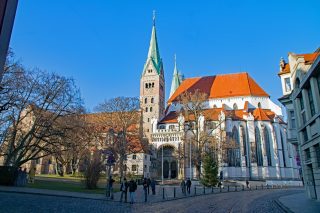
Tucked into Munich's pedestrian-friendly city center, the German Hunting and Fishing Museum is an unexpectedly atmospheric museum set inside a former church building on Neuhauser Straße. It's a compact-but-dense stop that blends natural history (think taxidermy and habitats) with cultural history (weapons, tools, paintings, and traditions tied to hunting and fishing).
Because it sits right on a prime shopping-and-sightseeing corridor, it's easy to add to a walking tour between Marienplatz, Karlsplatz (Stachus), and the surrounding Old Town lanes. If you're choosing the best places to see in central Munich beyond the big-name museums, this one stands out for its distinctive theme and setting.
Table of Contents
- History and Significance of the German Hunting and Fishing Museum
- Things to See and Do in the German Hunting and Fishing Museum
- How to Get to the German Hunting and Fishing Museum
- Practical Tips on Visiting the German Hunting and Fishing Museum
- Where to Stay Close to the German Hunting and Fishing Museum
- Is the German Hunting and Fishing Museum Worth Visiting?
- For Different Travelers
- FAQs for Visiting German Hunting and Fishing Museum
- Nearby Attractions to the German Hunting and Fishing Museum
History and Significance of the German Hunting and Fishing Museum
The museum’s story is closely tied to Bavaria’s long relationship with forests, rivers, and alpine landscapes, where hunting and fishing shaped livelihoods, cuisine, and local identity. Over time, these practices also became deeply woven into art, craftsmanship, and social customs—elements the museum highlights through objects and imagery rather than only scientific displays.
One of the most memorable aspects of the visit is the building itself: a former church repurposed into exhibition space. That contrast—sacred architecture housing nature and cultural artifacts—adds a sense of drama to the galleries and makes the museum feel like more than a simple collection of trophies.
Today, the museum’s significance lies in how it frames hunting and fishing not just as sport, but as part of environmental stewardship, tradition, and changing attitudes toward wildlife. It’s a place where visitors can see how nature, ethics, and heritage intersect in the German-speaking world.
Things to See and Do in the German Hunting and Fishing Museum
Start by taking in the setting: the high-ceilinged interior and the way exhibits are layered across multiple levels. Displays typically include taxidermy specimens, habitat-style presentations, and historical equipment that helps explain how hunting and fishing evolved over centuries.
Look out for the museum’s themed areas that bring the forest and water worlds to life. Many visitors enjoy the mix of animals, fish-related exhibits, and the visual-art component—paintings and graphics that show how wildlife and hunting culture were portrayed in different eras.
If you're visiting with kids, seek out the more interactive, educational sections that focus on ecosystems and fisheries. Even adults who aren't “hunting people” often find the museum engaging because it's part natural history, part cultural storytelling, and part Munich curiosity.
How to Get to the German Hunting and Fishing Museum
Munich is served primarily by Munich Airport (MUC), with Memmingen Airport (FMM) sometimes used by low-cost carriers for the wider region. For the best deals and a seamless booking experience, check out these flights to Munich on Booking.com.
From elsewhere in Germany or nearby countries, Munich Central Station (München Hauptbahnhof) is a major rail hub with frequent long-distance and regional connections, making a train-first itinerary very straightforward. Train schedules and bookings can be found on Omio.
If you’re driving, aim for a central parking garage and continue on foot, since the museum sits in the pedestrian zone where street access is limited. If you are looking to rent a car in Germany I recommend having a look at Discover Cars, first, as they compare prices and review multiple car rental agencies for you.
Practical Tips on Visiting the German Hunting and Fishing Museum
- Official website: https://www.jagd-fischerei-museum.de/
- Entrance fee: Adults: €7; Concessions: €5; Children (3–16): €3.50; Family ticket (2 adults + up to 3 children): €14.
- Opening hours: Daily: 09:30–17:00.
- Best time to visit: Go in the morning for a quieter experience, especially on weekends when the pedestrian zone gets busy.
- How long to spend: Plan 60–90 minutes for a solid visit, or up to 2 hours if you like reading labels and lingering over the art.
- Accessibility: The museum is not step-free, and the exhibition areas are reached via stairs.
- Facilities: Expect a focused museum visit rather than a full-service complex; bring cash for admission and small purchases.
Where to Stay Close to the German Hunting and Fishing Museum
Best area to base yourself: Munich Altstadt-Lehel (Old Town) for walkability to major sights, restaurants, and easy public transport connections.
Staying near the museum puts you in the heart of Munich’s pedestrian center, which is ideal if you want to stitch together museums, churches, beer halls, and shopping without relying on taxis. These five hotels cover a range of styles while keeping you close to the Old Town core.
Hotel Torbräu A classic, well-located Old Town option that's great for travelers who want to walk everywhere and still have a comfortable, traditional Munich feel.
Platzl Hotel A character-rich stay near some of Munich’s most iconic food-and-beer addresses, ideal if you want atmosphere and a very central base.
Cortiina Hotel A stylish boutique pick for design-minded travelers who want a quieter, more modern vibe while staying close to the action.
Hotel Bayerischer Hof A landmark luxury hotel that works well for a special trip where the hotel experience is part of the itinerary.
KING’s HOTEL Center A practical, comfortable choice near München Hauptbahnhof—handy for early trains and airport transfers while still being a manageable walk or short transit ride to the museum.
Is the German Hunting and Fishing Museum Worth Visiting?
Yes—especially if you like offbeat museums, historic interiors, or exhibits that mix nature with cultural history. The central location makes it an easy add-on, and the combination of taxidermy, tools, and artwork creates a surprisingly varied visit for a relatively compact museum.
Honest Pivot: If you’re short on time and prefer big “headline” art collections or highly interactive, multilingual exhibitions, you may want to prioritize Munich’s larger museums instead. It can also be less satisfying if you expect extensive English interpretation throughout.
What Other Travellers Say...

Overall, reviews are very positive, with many visitors calling it a unique, centrally located museum that’s worth the entry fee. Common highlights include the variety of displays (taxidermy, hunting equipment, and artwork), friendly staff, and kid-friendly elements including interactive educational areas. The most frequent drawbacks mentioned are limited English explanations in parts of the museum and occasional disappointment when visitors expect more emphasis on fishing compared with hunting.


For Different Travelers
The German Hunting and Fishing Museum is a niche attraction, but it fits neatly into many Munich itineraries because it's central and easy to combine with other Old Town highlights. Your enjoyment mostly depends on whether you're curious about wildlife, heritage crafts, and regional traditions.
Families with Kids
Families often appreciate the animal-focused displays because they’re visually engaging even when kids don’t want to read labels. The museum can be a good “indoor reset” between outdoor sightseeing stops in the Old Town.
To keep it fun, treat it like a scavenger hunt: spot different species, compare antlers and horns, and look for water-themed exhibits. If your children are sensitive to taxidermy, preview expectations before you go in.
Couples & Romantic Getaways
For couples, the appeal is the unusual setting and the sense of discovering something you might otherwise walk past. It’s a good choice when you want a short, memorable cultural stop that isn’t as crowded as the biggest sights.
Pair it with a relaxed Old Town stroll afterward—coffee, pastries, or a cozy Bavarian meal nearby. The museum’s former-church interior also makes the visit feel more atmospheric than you might expect from the theme.
Budget Travelers
Budget travelers will like that it’s centrally located, so you can reach it on foot and avoid extra transport costs. It also works well as a shorter museum visit that doesn’t take over your whole day.
If you’re watching spending, combine it with free Old Town highlights (churches, squares, and riverside walks) to build a full day around a single paid attraction.
History Buffs
History buffs will find interest in how hunting and fishing shaped social life, craftsmanship, and imagery over time. The museum’s objects help connect everyday tools and traditions to broader cultural narratives.
Pay attention to the way the museum uses art and historical equipment to reflect changing values around nature and wildlife. The building’s past life as a church adds another layer of historical context to the experience.
FAQs for Visiting German Hunting and Fishing Museum
Getting There
Tickets & Entry
Visiting Experience
Tours, Context & Itineraries
Photography
Accessibility & Facilities
Food & Breaks Nearby
Safety & Timing
Nearby Attractions to the German Hunting and Fishing Museum
- Marienplatz: Munich's central square with landmark architecture and a lively atmosphere day and night.
- Frauenkirche: The city's iconic twin-towered cathedral, a key Old Town sight with a distinctive skyline presence.
- St. Michael’s Church (Michaelskirche): A major Renaissance church close by, known for its grand interior and central location.
- Karlsplatz (Stachus): A busy gateway to the pedestrian zone with shopping, transit connections, and seasonal events.
- Viktualienmarkt: A famous food market area ideal for browsing local specialties and grabbing a casual bite.
The German Hunting and Fishing Museum appears in our Complete Guide to Visiting Munich!

Moira & Andy
Hey! We're Moira & Andy. From hiking the Camino to trips around Europe in Bert our campervan — we've been traveling together since retirement in 2020!
This website uses affiliate links which may earn a commission at no additional cost to you!
Planning Your Visit
Daily: 09:30-17:00.
Adults: €7; Concessions: €5; Children (3-16): €3.50; Family ticket (2 adults + up to 3 children): €14.
Nearby Attractions
- Neuhauser Straße (0.0) km
Area, Shop and Street - Frauenkirche (0.1) km
Cathedral, Church and Religious Building - Bürgersaalkirche (0.2) km
Church, Historic Building and Religious Building - Neues Rathaus (0.3) km
Historic Building, Tower and Town Hall - Marienplatz (0.3) km
Historic Site, Square and Walk - Asamkirche (0.4) km
Attraction, Church and Religious Building - Münchner Stadtmuseum (0.4) km
Museum - Karlsplatz (0.4) km
Area, City Gate and Square - Jewish Museum (0.5) km
Museum - Peterskirche (0.5) km
Church, Religious Building and Tower