Forte de Santiago da Barra, Viana do Castelo
Castle in Viana do Castelo
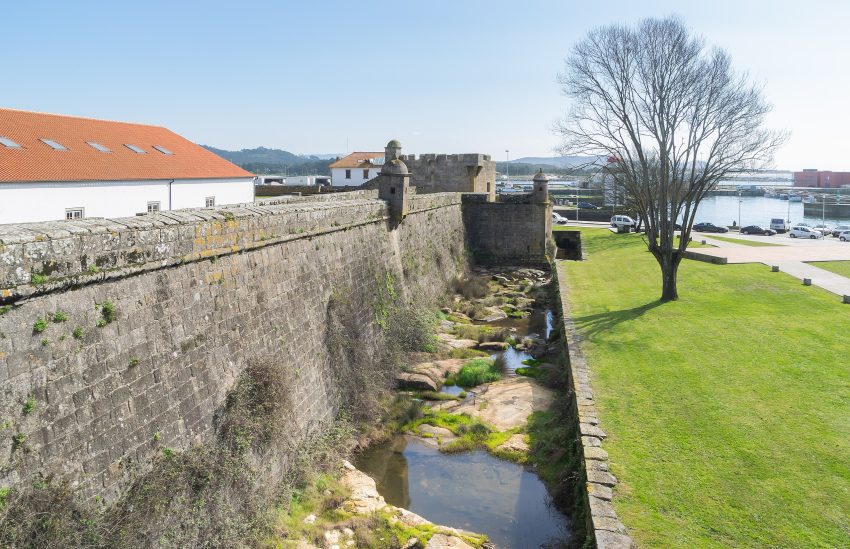
Set right where the River Lima meets the Atlantic, Forte de Santiago da Barra feels like Viana do Castelo's stone handshake with the sea. The walls rise from the estuary edge in a purposeful, no-nonsense shape, with bastions angled to command the river mouth and the coastline beyond. Even before you step inside, the setting is the hook: salty air, big skies, and that satisfying sense of being at the threshold between town and ocean.
It's also one of the must-see places in Viana do Castelo because it's more than a photo stop: the fortress gives you context for why this port mattered, how the coastline was defended, and how power shifted in the region. It pairs naturally with a walking tour of Viana do Castelo, especially if you like your history with wide-open viewpoints and a short, scenic stroll from the historic centre.
Table of Contents
- History and Significance of the Forte de Santiago da Barra
- Things to See and Do in the Forte de Santiago da Barra
- How to Get to the Forte de Santiago da Barra
- Practical Tips on Visiting the Forte de Santiago da Barra
- Where to Stay Close to the Forte de Santiago da Barra
- Is the Forte de Santiago da Barra Worth Visiting?
- For Different Travelers
- FAQs for Visiting Forte de Santiago da Barra
- Nearby Attractions to the Forte de Santiago da Barra
History and Significance of the Forte de Santiago da Barra
The story of the fortress starts with a strategic problem: protecting the sandbar and anchorage at the Lima estuary. Tradition links the first fortification here to the reign of King Afonso III in the 13th century, but the earliest confirmed construction belongs to the 15th century, with major completion in the 16th century under King Manuel I. Those Manueline touches still matter today because they anchor the fort’s identity in Portugal’s maritime age, when coastal defence and seaborne trade were inseparable.
One of the most distinctive survivals from that earlier phase is the Torre da Roqueta, tucked into the south-west bastion. It’s a small detail with big storytelling power: you can feel the transition from medieval fortification logic to a more systematised, artillery-era approach, where angles, lines of fire, and controlled access shaped the architecture as much as aesthetics did.
By the late 16th century, the fortress was substantially reworked during Spanish rule under Philip II (Philip I of Portugal). The design associated with Filippo Terzi produced the polygonal, bastioned layout you see today, the kind of geometry built for cannon and coordinated defence rather than symbolic walls alone. It’s a reminder that the fort isn’t just “old”; it’s a map of changing military technology and shifting political authority along the Atlantic edge.
Things to See and Do in the Forte de Santiago da Barra
Begin with the overall shape. Bastioned forts make the most sense when you walk their edges and look back across the angles: you start to understand why the plan isn’t symmetrical for beauty’s sake, but for control of the river mouth and the approach by sea. Pause at the points where the walls “turn” and you’ll see how the design creates overlapping sightlines, a quiet lesson in defensive engineering.
Seek out the Torre da Roqueta in the south-west bastion and treat it like a detail hunt rather than a headline monument. It’s the sort of feature that rewards slow looking, especially if you enjoy spotting stylistic clues that link a building to a specific reign and moment in history. From here, the views outward are part of the experience too: estuary, ocean, and the sense of the fort standing guard at a working maritime threshold.
Inside the walls, the atmosphere can feel more “functional” than curated, because the complex has housed modern institutions as well as heritage fabric. That contrast is worth noticing in its own right: it shows how historic fortifications survive by adapting, even when that means the visit is more about space, structure, and setting than polished interpretation panels.
How to Get to the Forte de Santiago da Barra
If you're already in central Viana do Castelo, the simplest approach is on foot: walk down toward the riverfront and follow the estuary toward the mouth, keeping the walls in sight as you near the port area. It's an easy add-on to a historic-centre day, and it works particularly well if you're linking the fortress with other waterfront stops.
The nearest major airport is Porto Airport (OPO), with Vigo Airport (VGO) also a viable alternative depending on where you're coming from and how you're routing your trip. For the best deals and a seamless booking experience, check out these flights to Viana do Castelo on Booking.com.
From Porto, trains run to Viana do Castelo station, and from there you can walk to the fort via the city centre and down to the riverfront. Train schedules and bookings can be found on Omio.
Intercity coaches are another straightforward option, with Rede Expressos offering services across Portugal that can be convenient if you’re not timing your day around train departures.
If you’re driving the Minho coast, it’s easy to reach the waterfront area, but it’s usually smarter to park once and finish on foot rather than trying to edge right up to the fort in busy periods. If you are looking to rent a car in Portugal I recommend having a look at Discover Cars, first, as they compare prices and review multiple car rental agencies for you.
Practical Tips on Visiting the Forte de Santiago da Barra
- Entrance fee: Free.
- Opening hours: Monday – Friday: 09:00–12:30 & 14:00–17:30. Closed on Saturday & Sunday.
- Official website: https://www.visitportugal.com/en/content/forte-de-santiago-da-barra
- Best time to visit: Late afternoon is ideal for softer light over the estuary and a more atmospheric feel along the waterfront.
- How long to spend: Allow 30-60 minutes for a relaxed circuit of the walls and viewpoints, longer if you’re pairing it with nearby riverfront stops.
- Accessibility: Access is generally easiest from the waterfront approach, though surfaces can be uneven in places; if mobility is limited, plan a slower, flatter route and focus on the most accessible viewpoints.
- Facilities: Treat this as a heritage-and-views stop rather than a full-service attraction, and plan café or restroom breaks in the nearby waterfront and central areas.
Where to Stay Close to the Forte de Santiago da Barra
For a culture-heavy itinerary, base yourself in the historic centre so you can walk everywhere and keep evenings simple; if your priority is sea air and a coastal stay with easy waterfront access, choose accommodation along the seafront or riverside edge.
For a central, walkable base that makes it easy to reach both the old town and the waterfront, AP Dona Aninhas is a strong option for comfort and location. If you want something simple and efficient, especially if you’re arriving by train and moving on quickly, Hotel Laranjeira keeps logistics easy without pushing you out of the centre. For a more coastal feel with sea views and a spa-style vibe, Hotel Flôr de Sal suits travelers who want the Atlantic as part of the overnight experience.
Is the Forte de Santiago da Barra Worth Visiting?
Yes, especially if you value places where history is tied directly to landscape and strategy. The fortress gives you a strong sense of why Viana do Castelo developed where it did, and the estuary-meets-ocean setting delivers a kind of drama that city-centre monuments can't replicate.
It’s also an efficient visit: you can get a satisfying dose of architecture, views, and context without needing to commit half a day. If you’re building a well-paced itinerary, it works perfectly as the “waterfront chapter” of your day.
What Other Travellers Say...

Castelo de Santiago da Barra in Viana do Castelo sits near the foreshore and is an easy walk from the train station; entry is free and you can explore its walls and several internal establishments. Visitors find it an interesting, compact fort you can walk around in 15 minutes, though parts need repair and better maintenance—there are reports of rubbish and overgrown areas and a lack of visitor information or guide maps—so take care on the walls.


For Different Travelers
Families with Kids
This works well for families because the fortress feels like an adventure space: big walls, open sightlines, and plenty of “lookout” moments that keep attention moving. Keep it playful by turning it into a quick rampart-and-views loop, then reward everyone with a waterfront snack stop.
If you’re visiting with a stroller, plan a direct approach and focus on the most straightforward paths rather than trying to explore every corner. The visit is still worthwhile even if you keep it short and choose the easiest surfaces.
Couples & Romantic Getaways
For couples, the appeal is the setting: estuary light, ocean air, and a sense of being slightly apart from the town bustle while still close enough to wander back for dinner. It’s an especially good stop near golden hour, when the walls and waterline feel more cinematic.
Pair it with a slow waterfront walk and a relaxed drink back in the centre, and the day feels curated without being overplanned. The fort’s mood is more atmospheric than “museum-like,” which suits a romantic, unhurried pace.
Budget Travelers
It’s a strong budget stop because you get a distinctive landmark and great views without needing to pay for a formal attraction. Build your day around free highlights: the fortress, the riverfront, and the historic centre, then spend selectively on food or one paid museum.
If you’re travelling cheaply, aim to visit when the weather is clear so the scenery does more of the work. The value here is in the setting and the structure, not in expensive add-ons.
History Buffs
History lovers will appreciate how clearly the fortress reflects shifts in defensive thinking, from earlier phases linked to Manuel I to later bastioned design shaped by Iberian geopolitics. The Torre da Roqueta is a particularly satisfying detail because it anchors the site in a specific artistic and historical moment.
To get more from the visit, read the fort as a document: look for angles, lines of approach, and how the entrance is controlled. Even without extensive interpretation on-site, the architecture itself tells a coherent story of coastal strategy.
FAQs for Visiting Forte de Santiago da Barra
Getting There
Tickets & Entry
Visiting Experience
Tours, Context & Itineraries
Photography
Accessibility & Facilities
Food & Breaks Nearby
Safety & Timing
Nearby Attractions to the Forte de Santiago da Barra
- Navio Hospital Gil Eannes: A distinctive floating museum that adds maritime history and a great interior visit right by the waterfront.
- Santuário de Santa Luzia: The iconic hilltop sanctuary with sweeping views over the coast and city, especially rewarding on clear days.
- Praça da República: The city's main historic square, perfect for cafés, architecture spotting, and a relaxed old-town reset.
- Museu do Traje (Costume Museum): A focused museum stop that adds local culture, textiles, and context to your Viana itinerary.
- Igreja de Nossa Senhora d’Agonia: A visually striking church connected to the city’s famous summer festivities and local traditions.
The Forte de Santiago da Barra appears in our Complete Guide to Visiting Viana do Castelo!

Moira & Andy
Hey! We're Moira & Andy. From hiking the Camino to trips around Europe in Bert our campervan — we've been traveling together since retirement in 2020!
This website uses affiliate links which may earn a commission at no additional cost to you!
Planning Your Visit
Monday - Friday: 09:00-12:30 & 14:00-17:30.
Closed on Saturday & Sunday.
Free.
Nearby Attractions
- Museu de Artes Decorativas (0.5) km
Historic Building and Museum - Navio Hospital Gil Eannes (0.7) km
Museum - Casa dos Nichos (0.9) km
Historic Site and Museum - Praça da República (0.9) km
Square - Igreja da Misericórdia de Viana do Castelo (1.0) km
Church - Sé Catedral de Viana do Castelo (1.0) km
Cathedral - Elevador de Santa Luzia (1.1) km
Railway - Santuário de Santa Luzia (1.4) km
Basilica - Citania de Santa Luzia (1.8) km
Historic Site - Castro de S. Lourenço (16.0) km
Historic Site