Fort de la Bastille, Grenoble
Cable Car, Castle and Viewing Point in Grenoble
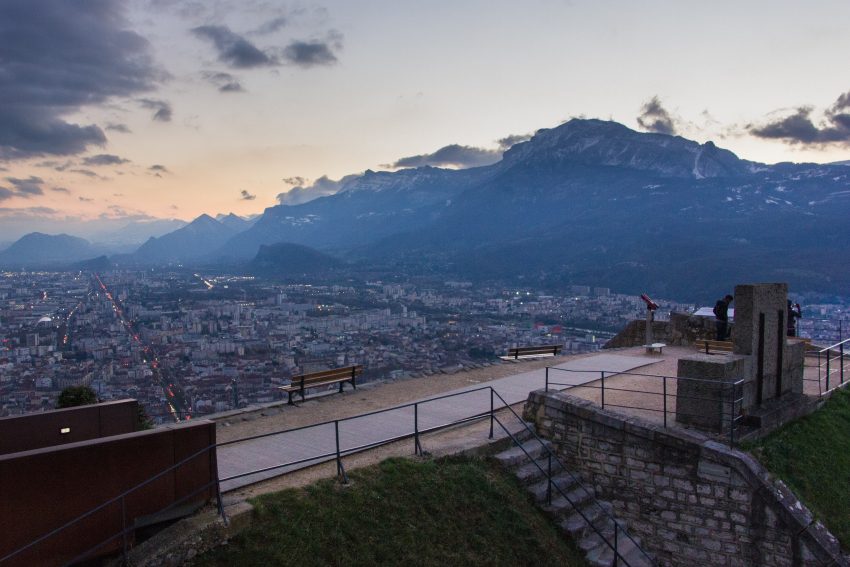
Perched above Grenoble on the edge of the Chartreuse massif, Fort de la Bastille is the city's most iconic lookout and an easy escape into mountain air without leaving town. The hilltop complex mixes 19th-century military architecture with walking paths, viewpoints, and a lively summit atmosphere that feels worlds away from the streets below.
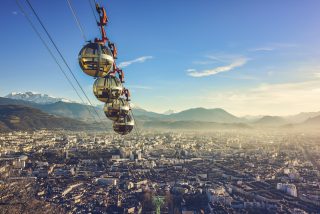
Most visitors arrive via the famous Grenoble cable car “bubbles,” but you can also hike up for a rewarding city-to-summit walk. If you're exploring Grenoble on a walking tour, the Bastille pairs perfectly with the Old Town and riverfront, and it's one of the best places to see the city framed by the surrounding Alps.
Table of Contents
- History and Significance of the Fort de la Bastille
- Things to See and Do in the Fort de la Bastille
- How to Get to the Fort de la Bastille
- Practical Tips on Visiting the Fort de la Bastille
- Where to Stay Close to the Fort de la Bastille
- Is the Fort de la Bastille Worth Visiting?
- For Different Travelers
- FAQs for Visiting Fort de la Bastille
- Nearby Attractions to the Fort de la Bastille
History and Significance of the Fort de la Bastille
Fort de la Bastille is part of a defensive system built to protect Grenoble, with the most visible structures today dating largely to the 19th century. Its position above the city wasn't chosen for drama alone: it's a strategic ridge that controls approaches through the valley and offers commanding sightlines in every direction.
Over time, the Bastille shifted from military stronghold to civic symbol. What was once a fortress designed for surveillance and deterrence is now a place for panoramas, outdoor culture, and casual exploration, where the “defensive” walls have become scenic terraces.
The cable car helped cement the Bastille’s modern identity. By linking the city center to the summit in minutes, it turned a steep hillside into an everyday attraction for locals and a must-do for first-time visitors.
Things to See and Do in the Fort de la Bastille
Start with the viewpoints: on clear days, you'll get a 360° sweep over Grenoble and the surrounding massifs. Walk the ramparts and terraces slowly, because the best angles change as you move, and the city grid below looks completely different from each corner of the fort.
Next, explore the fortifications themselves. Even without a guided visit, the tunnels, stairways, and layered stonework make it easy to imagine how the site functioned, and it’s a fun place to wander with a “choose-your-own-route” feel.
If you have extra time, treat the Bastille as a mini-outdoor day. Combine short summit walks with a café or restaurant break, then finish with golden-hour views before heading back down by cable car or on foot.
How to Get to the Fort de la Bastille
The nearest major airports are Lyon–Saint Exupéry (LYS) and Geneva (GVA), with additional options via Grenoble Alpes–Isère (GNB) depending on season and routes. For the best deals and a seamless booking experience, check out these flights to Grenoble on Booking.com.
Grenoble is well connected by rail, and arriving at Grenoble Gare makes it easy to continue by tram, taxi, or a short walk toward the cable car station near the river. You can use SNCF Connect to check schedules, compare routes, and purchase tickets for National (SNCF ) and regional trains (TER). For a more streamlined experience, we recommend using Omio, which allows you to easily compare prices, schedules, and book tickets for both National and Regional travel across all of Europe, all in one place.
If you’re driving, you can reach the Bastille area by road and then continue on foot to viewpoints and fort sections once you park. If you are looking to rent a car in France I recommend having a look at Discover Cars, first, as they compare prices and review multiple car rental agencies for you.
Practical Tips on Visiting the Fort de la Bastille
- Official website: https://bastille-grenoble.fr/
- Entrance fee: Free.
- Opening hours: Daily: 24 Hours.
- Best time to visit: Go early for clearer skies and fewer crowds, or aim for late afternoon to catch sunset over the mountains and city lights starting to appear.
- How long to spend: Plan 1.5–3 hours for viewpoints and wandering; add more time if you hike up or want a longer summit walk.
- Accessibility: The cable car makes the summit far easier than hiking, but the fort area includes slopes, uneven surfaces, and stairs that can limit step-free routes.
- Facilities: Expect food and drink options near the summit plus restrooms in the main visitor areas; bring water if you plan to walk beyond the central terraces.
Where to Stay Close to the Fort de la Bastille
Base yourself in central Grenoble near the Old Town and the riverfront for the easiest access to the cable car, restaurants, and evening strolls.
Le Grand Hôtel Grenoble, BW Premier Collection A polished, central choice for travelers who want to be able to walk everywhere, with quick access to the river and the Bastille cable car area.
OKKO Hotels Grenoble Jardin Hoche A modern, efficient stay that’s great for short trips, with a comfortable lounge setup that works well if you’re mixing sightseeing with remote work.
RockyPop Grenoble Hotel A fun, design-forward option that suits couples and friends who want a lively vibe and an easy base for both the Bastille and nightlife.
Hôtel Mercure Grenoble Centre Alpotel A reliable full-service hotel that’s convenient if you prefer familiar amenities and straightforward transport connections around the city.
Residhome Grenoble Caserne de Bonne Ideal for longer stays thanks to apartment-style convenience, and it’s close to shops and a pleasant neighborhood for everyday meals.
Is the Fort de la Bastille Worth Visiting?
Yes, it's absolutely worth visiting: it's the single best “big picture” experience in Grenoble, combining history, mountain scenery, and an iconic cable car ride in one easy outing. Even if you're only in town for a day, the Bastille gives you instant context for Grenoble's geography and its dramatic Alpine setting.
Honest Pivot: if you dislike heights, feel cramped in small cabins, or you’re visiting on a day with low cloud and poor visibility, you may not get the payoff that makes the Bastille special. In that case, focus on Grenoble’s museums, cafés, and Old Town streets, and save the Bastille for a clearer day.
What Other Travellers Say...

Cable car ride to hilltop, 19th-century military fort with a watch tower, dungeon & panoramic views.


For Different Travelers
Fort de la Bastille works because it's flexible: you can treat it as a quick viewpoint stop, a scenic walk, or a half-day mini-adventure. Here's how it tends to land depending on your travel style.
Families with Kids
The cable car ride is a built-in highlight for kids, and the summit feels like a big outdoor playground with space to roam. Keep the visit simple: viewpoints, a short wander, and a snack break usually hits the sweet spot.
If you’re bringing a stroller, plan for some limitations around uneven surfaces and steps. A child carrier can be easier if you want to explore beyond the main terraces.
Couples & Romantic Getaways
For couples, the Bastille is at its best around golden hour, when the light softens and the city starts to glow. It’s an easy “date” outing that doesn’t require a full day of planning.
Pair it with a slow walk back down toward the Old Town or a post-visit dinner in central Grenoble. The contrast between mountain views and city ambiance makes the whole evening feel more special.
Budget Travelers
The fort area itself can be a great value experience, especially if you hike up and down and treat it as your main outdoor activity for the day. Bring water and snacks, then spend your time on viewpoints and walking paths.
If you’re watching costs, consider taking the cable car one way and hiking the other to balance convenience with savings. You’ll still get the signature experience without turning it into an expensive outing.
History Buffs
History lovers will appreciate how the fort’s layout and position explain Grenoble’s defensive logic at a glance. The stonework, ramparts, and layered structures reward slow exploration and a bit of imagination.
To get more from the visit, consider adding a guided context piece (either a local walking tour that includes the Bastille story or a museum stop nearby). The site becomes more meaningful when you connect it to the region's military and mountain heritage.
FAQs for Visiting Fort de la Bastille
Getting There
Tickets & Entry
Visiting Experience
Tours, Context & Itineraries
Photography
Accessibility & Facilities
Food & Breaks Nearby
Safety & Timing
Nearby Attractions to the Fort de la Bastille
- Grenoble Old Town: A compact, walkable core of lanes and squares that's perfect before or after your Bastille visit.
- Jardin de Ville: A pleasant central park for a breather, especially if you're traveling with kids.
- Musée de Grenoble: One of the city's top museums, ideal for balancing outdoor time with culture.
- Place Grenette: A lively square with cafés that's great for people-watching and an easy meeting point.
- Isère River quays: Scenic riverside paths that connect well to the cable car area and make for an easy stroll.
The Fort de la Bastille appears in our Complete Guide to Visiting Grenoble!

Moira & Andy
Hey! We're Moira & Andy. From hiking the Camino to trips around Europe in Bert our campervan — we've been traveling together since retirement in 2020!
This website uses affiliate links which may earn a commission at no additional cost to you!
Nearby Attractions
- Musee des Troupes de Montagne (0.0) km
Historic Site and Museum - Musee Dauphinois (0.5) km
Gardens, Monastery and Museum - Grenoble Archaeological Museum (0.6) km
Historic Site and Museum - Grenoble-Bastille Cable Car (0.7) km
Cable Car and Viewing Point - Ancien Palais du Parlement (0.7) km
Historic Building, Historic Site and Palace - Collegiate Church of Saint-André (0.7) km
Church, Historic Site and Religious Building - Cafe La Table Ronde (0.7) km
Café and Historic Building - Jardin de Ville (0.8) km
Attraction, Gardens and Park - Grande Rue (0.8) km
Area, Street and Walk - Musee de Grenoble (0.8) km
Museum