Fansipan Mountain, Sapa
Cable Car, Mountain and Viewing Point in Sapa
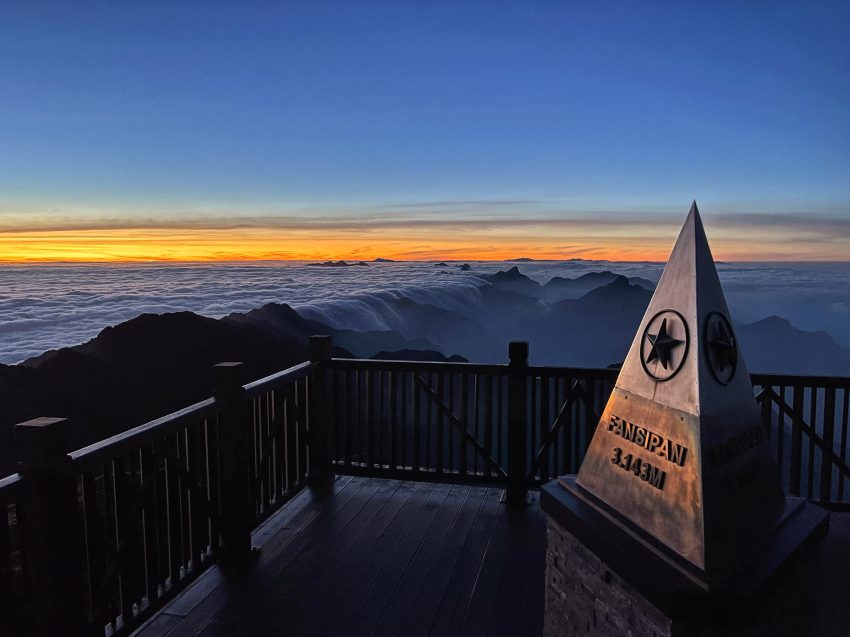
Fansipan is the mountain that dominates every Sa Pa conversation: a jagged, cloud-brushed summit in the Hoàng Liên Sơn range that feels like it belongs on the edge of the map. At 3,143 metres, it’s the highest peak in Vietnam and all of Indochina-an easy superlative to remember the first time you watch the landscape drop away into layered valleys and rice-terrace ridgelines.
What makes Fansipan special is that you can choose your own level of effort. You can hike for the bragging rights, or you can glide up by cable car and still arrive to that unmistakable “top of the world” feeling-cool air, shifting mist, and stairways leading to viewpoints and spiritual sites near the summit. It's one of the top sights in Sa Pa, and it pairs naturally with a walking tour of Sa Pa when you want to balance mountain drama with town-level food, markets, and everyday life.
Table of Contents
History and Significance of the Fansipan
Long before the cable car era, “conquering Fansipan” meant committing to a demanding trek through highland forest and steep, often slippery terrain-a rite of passage for hikers in northern Vietnam. The mountain's nickname, the Roof of Indochina, captures both its height and its role as a geographic landmark that shapes local weather and scenery in the wider Sa Pa area.
Modern access changed dramatically when the Fansipan cable car opened to the public on 2 February 2016, turning what used to be a multi-day hike for many people into an attainable day trip. A few years later, the Mường Hoa mountain train (funicular-style rail) began connecting Sa Pa town with the cable car area, making the whole journey feel more seamless-especially if you want to avoid taxi back-and-forth.
Today, Fansipan sits at the intersection of nature and contemporary Vietnamese travel culture: it’s a true mountain environment, but it’s also a place where families, older travellers, and first-time visitors can share the summit experience without needing technical gear or trekking experience.
Things to See and Do in the Fansipan
We’ve organized this list according to the order we visited these spots. It’s not meant to be a “best-of” list, but rather a guide through our personal itinerary.
1. The Cable Car Ride
The moment the cable car departs from the loading dock, the wow factor is instant! You soar over a broad plain of farms and rice terraces, with expansive views stretching into the foggy valley on either side. As the cable car climbs into the clouds, visibility shifts from zero to stunning in an instant. The ever-changing mix of fog, clouds, steep mountain ridges, and thick forest is as much a highlight as the destination itself. The final stretch is especially thrilling, with a steep ascent and sheer drops, offering incredible views. For those uncomfortable with heights, the large gondola provides plenty of spots to focus on.
2. Viewing Deck
After exiting the cable car station, you step onto a large, flat viewing platform overlooking the steep drop back down the mountain. The fog surrounding us gave the area an eerie mystique, with views that changed every time we looked up or down. Luckily, the fog cleared, revealing a mix of blue skies, low clouds, and complete fog coverage. From here, a grand staircase leads you toward the temples and the summit.
3. Bich Van Thien Tu Temple
At the top of the staircase is a long, flat courtyard where you walk between the temples and the Dai Hong Chung Tower. This pagoda sits just down the mountain from the courtyard. The rapid changes in landscape at this altitude are striking.
4. Bell Tower of Fansipan
The Bell Tower of Fansipan is a striking five-story structure perched on the mountain, offering a tranquil atmosphere with its daily ringing of bells that reverberate through the peaks. This architectural marvel provides visitors with panoramic views of the surrounding landscape, enhancing the spiritual and serene experience of the Fansipan summit.
5. Cafe du Soleil
Located at the junction of pathways and railway stations in the mountain complex, Cafe du Soleil is the perfect place to rest and refuel. The floor-to-ceiling windows provide stunning views of the Amitabha Buddhist statue in one direction and the Pho Minh pagoda in the other. The cafe’s interior features colorful stacks of compressed Hmong textiles, creating a vibrant contrast with the darker seating, floor, and bar area.
6. Temples and Pho Minh Pagoda Replica
After leaving the cafe, a steep staircase leads to a walkway on the mountain ridge, guiding you toward another set of temples and pagodas.
7. Bodhisattva Statue
Perched on a mountain ridge, this gigantic statue proudly overlooks the mountain range. The best views are from further back, but the viewing platform below the statue offers great photo opportunities.
8. Mountainside Statue Walkway
You can either retrace your steps up numerous stairs or follow a walkway that hugs the mountain edge on one side, with a series of monk statues (each with a plaque summarizing their significance) mounted above. The statues pull bizarre faces, adding a quirky element to the serene environment. This area was almost deserted, providing a peaceful contrast to the busier parts of the complex.
9. Amitabha Buddha Statue
This 21.5m high bronze Buddha statue, completed in 2015, is a relatively new addition to the mountaintop. The base houses a prayer room with the Ngoc Xa Loi Buddha, viewable through a glass window. In front of the statue, a large split staircase with a waterfall leads back toward the Bich Van Thien Tu Temple and the cable car station. The scene might remind you of a famous movie moment, but we didn’t bring a slinky!
How to Get to the Fansipan
Most travellers route through Hanoi first; the main gateway airport is Nội Bài International Airport (HAN), and some itineraries also work via Cát Bi International Airport (HPH) depending on your broader northern Vietnam plan. For the best deals and a seamless booking experience, check out these flights to Sapa on Booking.com.
From Hanoi, the most classic overland option is the overnight or evening train to Lào Cai Station, then a transfer up to Sa Pa by shuttle, taxi, or local bus.Train schedules and bookings can be found on Omio. It’s a good choice if you prefer to sleep while you travel and arrive in the mountains early.
Buses and limousines (minivans) run directly from Hanoi to Sa Pa throughout the day and can be the simplest point-to-point option if you'd rather avoid transfers. Once you're in Sa Pa, getting to the Fansipan transport hub is straightforward by taxi or local shuttle, and many hotels can arrange a quick, fixed-price ride.
If you're travelling by car, expect a long but scenic drive from Hanoi and plan around mountain weather-fog and rain can slow you down more than you'd think.
Mount Fansipan by Cable Car
The Fansipan cable car is a convenient and safe option, providing almost everyone the chance to reach the summit. Departing from Muong Hoa Valley, the 15-minute ride offers stunning views and operates from 7:30 am to 5:30 pm daily. Tickets cost 800,000 VND for adults and 550,000 VND for children between 1 and 1.4 meters tall, with children under 1.4 meters riding free.
Hiking to Mount Fansipan
For adventure seekers, hiking to the summit of Fansipan is a rewarding challenge. Proper preparation is essential, including protective gear and mountain climbing experience. The hike can take 2 to 3 days and offers breathtaking scenery along the way.
Suggested Hiking Routes
- Tram Ton Pass – Fansipan Peak: A popular 2-day route offering breathtaking views.
- Sin Chai – Fansipan Peak: A quieter route taking about 9 hours for experienced trekkers.
- Cat Cat – Fansipan Peak: A 3-day route offering stunning views of the Hoang Lien Son Mountain Range and Muong Hoa Valley.
Practical Tips on Visiting the Fansipan
- Entrance fee: Cable car round-trip tickets typically start from ₫800,000 (adult) and around ₫550,000 (child, height-based), with pricing sometimes higher on weekends/holidays.
- Opening hours: Daily: 08:00–16:00.
- Official website: https://sunworld.vn/fansipan
- Best time to visit: Aim for early morning if you want your best chance at clearer views and fewer people moving through the summit paths. Late afternoon can also feel calmer, but keep an eye on last-ride timing if you’re using the cable car.
- How long to spend: Half a day works well for cable car plus summit exploring, while a full day suits travellers adding extra viewpoints, a slower pace, or time in Sa Pa before/after.
- Accessibility: The ascent is easy by cable car, but the summit area still involves steps and uneven walking, so it’s best approached gradually and with realistic expectations if mobility is limited.
- Facilities: You’ll find ticketing, restrooms, and food options within the Fansipan tourist area, but it’s still wise to bring water and a light layer for the temperature shift.
Where to Stay Close to the Fansipan
For a culture-heavy itinerary, base yourself in central Sa Pa near the Stone Church and town promenades; if your trip is more about scenery and quiet, choose a hillside or valley stay where mornings feel slower and the views start at your window.
If you want a stylish, central base that makes it easy to dip between town and mountain transport, Hotel de la Coupole - MGallery is a standout for comfort and location. For a resort-style stay with big views and an easy retreat feel after a chilly summit day, Pao's Sapa Leisure Hotel works particularly well. If you’d rather trade town convenience for a true nature reset, Topas Ecolodge is the kind of place you book specifically to slow down and soak up the valley setting.
Is the Fansipan Worth Visiting?
Yes-especially if you want a single experience in the Sa Pa region that feels undeniably “mountain Vietnam,” with huge views and a sense of scale you can’t get from town alone. Fansipan is also worth it because it’s flexible: you can go full trek, go fully accessible by cable car, or mix the two depending on weather, fitness, and time.
The only real caveat is visibility. Fansipan can be spectacular or completely clouded in, sometimes within the same hour, so treat the view as a bonus and the atmosphere as part of the story.
What Other Travellers Say...

The roof of Indochina in San Sủa Hữu, Tam Đường District, Lai Châu, Vietnam, is a dramatic high-altitude attraction reached by funicular, cable car or a steep 600-step hike; visitors recommend taking the round-trip cable options unless you’re very fit, as the steps down reveal more to see but can be tiring. Weather varies—cloud, wind, rain and cold are common so dress warmly and pick a clear day for the best views—and there are refreshments at the summit, with some finding the facilities quirky but part of the experience.


For Different Travelers
Families with Kids
Go early, keep the pace gentle, and treat the summit as a series of short wins-one viewpoint at a time rather than a big “march to the top.” Pack warm layers and snacks because kids often feel the cold and altitude changes before adults do.
Couples & Romantic Getaways
Pick a morning with decent weather, then slow it down: cable car up, unhurried summit time, and a late lunch back in Sa Pa when the town feels cosy again. If clouds roll in, lean into the mood-misty mountains can be unexpectedly romantic when you’re not chasing the perfect photo.
Budget Travelers
You can keep costs down by timing your day carefully: choose one main transport option (cable car or hike) rather than stacking every add-on, and eat in town before or after. If you’re hiking, go with a reputable local guide for safety and route confidence-splitting the cost with other travellers can make it more affordable.
FAQs for Visiting Fansipan
Getting There
Tickets & Planning
Visiting Experience
Hiking vs Cable Car
Photography
Nearby Attractions to the Fansipan
- Tả Van Village: A calmer village escape with rice-field trails and a more local feel than the main tourist corridor.
- Sa Pa Stone Church: A central landmark with a lively square atmosphere and an easy starting point for exploring town streets.
- Mường Hoa Valley: Famous for layered rice terraces and a slower, scenic side of Sa Pa beyond the busy centre.
- Cat Cat Village: A close-by cultural stop where you can see traditional crafts, hillside paths, and waterfall viewpoints.
- Hàm Rồng Mountain: A shorter hike near town with viewpoints that are great when you want scenery without a full-day commitment.
The Fansipan Mountain appears in our Complete Guide to Visiting Sapa!

Moira & Andy
Hey! We're Moira & Andy. From hiking the Camino to trips around Europe in Bert our campervan — we've been traveling together since retirement in 2020!
This website uses affiliate links which may earn a commission at no additional cost to you!
Planning Your Visit
Daily: 08:00-16:00.
Cable car round-trip tickets typically start from ₫800,000 (adult) and around ₫550,000 (child, height-based), with pricing sometimes higher on weekends/holidays.
Nearby Attractions
- Thac Bac (Silver) Waterfall (6.5) km
Waterfalls - Cat Cat Village (6.6) km
Village - Sapa Museum (7.6) km
Museum - Sapa Stone Church (7.8) km
Church - Sapa Lake (8.3) km
Lake - Sapa Market (8.8) km
Market - Hoang Su Phi Rice Terraces (101.9) km
Viewing Point - Quản Bạ Heaven Gate (150.0) km
Pass - H'Mong King's Palace (185.7) km
Historic Building and Palace - Lũng Cú Flag Tower (197.1) km
Viewing Point