Ethnographic Museum, Split
Attraction, Historic Building and Museum in Split
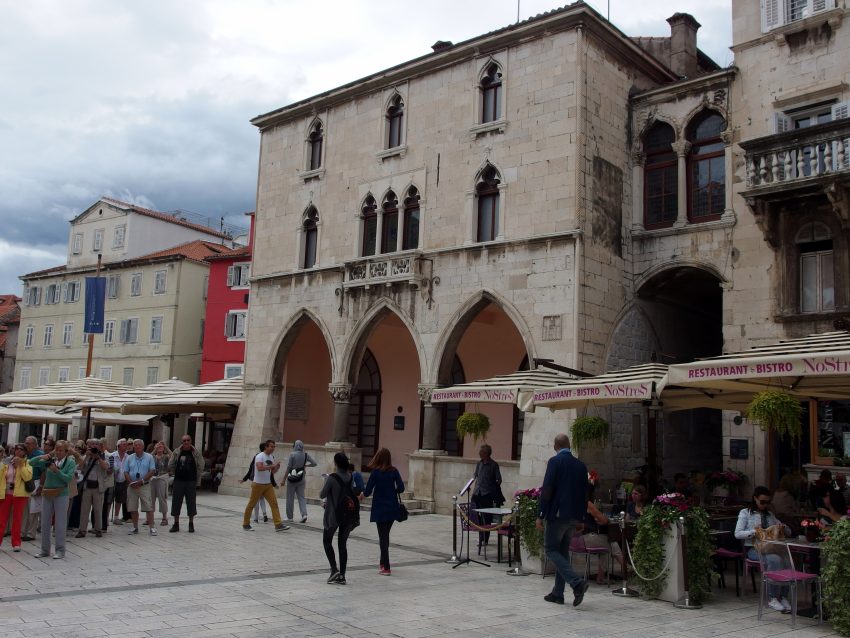
Tucked inside the living maze of Diocletian's Palace, Split's Ethnographic Museum is a compact, detail-rich stop focused on everyday life, craftsmanship, and traditional dress from Dalmatia and beyond. It's the kind of museum that rewards a slow look: embroidery, jewelry, household objects, and regional costumes that make the history of the coast feel personal rather than abstract.
Because it sits right in the Old Town (just steps from the Peristyle and the Cathedral of Saint Domnius), it's easy to include on a self-guided wander or a guided walking tour of the Palace. Many visitors pair it with nearby highlights like the palace basements, the Vestibule, and a sunset stroll on the Riva promenade.
Table of Contents
- History and Significance of the Ethnographic Museum
- Things to See and Do in the Ethnographic Museum
- How to Get to the Ethnographic Museum
- Practical Tips on Visiting the Ethnographic Museum
- Where to Stay Close to the Ethnographic Museum
- Is the Ethnographic Museum Worth Visiting?
- For Different Travelers
- FAQs for Visiting Ethnographic Museum
- Nearby Attractions to the Ethnographic Museum
History and Significance of the Ethnographic Museum
The Ethnographic Museum in Split is closely tied to the city's most important historic setting: Diocletian's Palace. Visiting here isn't only about objects in cases; it's also about being inside a layered architectural space that has evolved from Roman imperial residence to medieval and modern city.
Ethnographic collections help explain how people actually lived, worked, celebrated, and dressed across generations. In Split, that story is especially vivid through coastal and Dalmatian traditional costumes, where materials, colors, and ornament often signal region, occasion, and social identity.
The museum's setting adds a second layer of significance: as you move through galleries, you're also moving through a piece of the palace complex. That blend of place and collection makes it a strong “context museum” to visit early in your Split itinerary, before you dive deeper into churches, palaces, and archaeological sites.
Things to See and Do in the Ethnographic Museum
Start with the traditional clothing displays, which are the museum’s standout for many travelers. Look for differences in textiles, embroidery, and accessories between coastal communities and inland influences, and pay attention to the craftsmanship in lacework, metalwork, and ceremonial pieces.
Beyond costumes, the museum typically presents objects that map daily life: domestic tools, furniture, and items connected to work and seasonal rhythms. Even if you’re not an ethnography specialist, the exhibits are approachable and often bilingual, making it easy to connect the objects to the wider story of Dalmatia.
One of the most memorable “extras” is that the visit can overlap with the palace itself: travelers often appreciate that the museum experience can include access to historic remains within the complex, and it’s a quieter counterpoint to Split’s busiest headline sights.
How to Get to the Ethnographic Museum
Split Airport (SPU) is the nearest major airport, with seasonal and year-round connections; from the airport, most travelers continue into the city by shuttle bus, taxi, or rideshare to the center. For the best deals and a seamless booking experience, check out these flights to Split on Booking.com.
Split’s main train station is near the ferry port and the Old Town, and it’s walkable from there to the museum through the palace area. Train schedules and bookings can be found on Omio.
If you’re arriving by car, aim for public garages or paid lots outside the tight Old Town core, then walk in through the palace gates to reach the museum.
Practical Tips on Visiting the Ethnographic Museum
- Official website: https://etnografski-muzej-split.hr/en/museum/general-information
- Entrance fee: Adults: €7; Schoolchildren/Students/Seniors: €4; Groups (10+): €4 per person; Family ticket: €15; Split Card: free admission.
- Opening hours: (Summer) June 1 – August 31; Monday – Friday: 09:00–19:00. Saturday: 10:00–17:00. Sunday: 10:00–14:00. (Winter) November 1 – May 31; Monday – Friday: 09:00–16:00. Saturday: 10:00–14:00. (Winter) September 1 – September 30; Monday – Friday: 09:00–18:00. Saturday: 10:00–17:00. Sunday: 10:00–14:00. (Winter) October 1 – October 31; Monday – Friday: 09:00–17:00. Saturday: 10:00–14:00. Closed on public holidays.
- Best time to visit: Go in the morning for the calmest galleries, or in the hotter months use it as a midday, air-conditioned break from the palace crowds.
- How long to spend: Plan 45–75 minutes for a satisfying visit, longer if you like reading labels and comparing costume details.
- Accessibility: The museum is inside the Old Town’s historic fabric, so expect steps and uneven stone in the surrounding lanes; call ahead if you need step-free access information.
- Facilities: Facilities are limited compared with large modern museums, but the staff are typically helpful; pair your visit with nearby cafés in the palace area for a convenient break.
Where to Stay Close to the Ethnographic Museum
Base yourself in or immediately next to Split Old Town for the easiest, most walkable access to the museum and the rest of Diocletian's Palace.
If you want to step out of your hotel and be at the museum within minutes, choose a central Old Town stay where you can sightsee early and late, when the lanes are quieter. For a calmer night’s sleep, look just outside the palace walls toward Bačvice or the Marmont/Riva edge, where you still have quick access but a bit more breathing room.
Cornaro Hotel A polished, full-service option close to the palace, ideal if you want comfort, strong amenities, and an easy walk to major sights.
Hotel Park Split A classic choice near Bačvice Beach that balances sightseeing with a more resort-like feel and a straightforward walk or short ride to the Old Town.
Heritage Hotel 19 A small, stylish boutique stay that feels intimate and local, great for travelers who like design-forward rooms and a quieter lane near the center.
Radisson Blu Resort & Spa, Split Best if you want a spa and sea views after museum-hopping, with reliable transport links back into the Old Town.
Hotel Luxe A practical, well-located mid-range pick between the port area and the palace, convenient for ferries, day trips, and quick access to the museum.
Is the Ethnographic Museum Worth Visiting?
Yes, especially if you're curious about how Dalmatia's culture shows up in real objects: clothing, jewelry, and the material details of everyday life. It's also a smart “quiet hour” in the middle of a busy Old Town day, and its palace setting makes it feel connected to Split rather than a generic museum stop.
Honest Pivot: if you're only in Split for a few hours and you're prioritizing big-ticket views and Roman architecture, you might skip it in favor of the palace basements, the Cathedral bell tower, or a Marjan viewpoint. Likewise, if textiles and folk culture aren't your thing, the collection may feel niche compared with Split's more dramatic archaeological highlights.
What Other Travellers Say...

Reviews are very positive overall, with visitors especially praising the traditional Dalmatian costumes and textiles, the well-organized displays, and the added interest of being inside the Old Town/palace area. Many mention that exhibits are easy to follow for international visitors thanks to English translations, and several highlight good value, including free entry with the Split Card. Common drawbacks are that it's a small museum (best for a short visit) and that it can feel niche if you're not particularly interested in folk culture or clothing history.


For Different Travelers
The Ethnographic Museum is small enough to fit into almost any itinerary, but it shines most for travelers who enjoy details and context. Think of it as a “why it matters” stop that deepens what you're seeing elsewhere in the Old Town.
Families with Kids
Kids who like costumes, bright patterns, and “what people wore” stories often engage quickly here. Keep the visit short and interactive by turning it into a scavenger hunt: find the most elaborate embroidery, the heaviest-looking jewelry, or the most unusual headwear.
Because the museum is in the palace area, it’s easy to combine with a gelato break and a quick run around the Peristyle afterward. If you’re traveling with a stroller, plan for narrow lanes and steps in the surrounding Old Town.
Couples & Romantic Getaways
This is a good couples stop when you want something quieter than the palace’s main flow. Moving through the galleries at your own pace feels unhurried, and it can be a nice contrast to the bustle outside.
Pair it with a slow Old Town walk, then head to the Riva for a drink or plan your next stop toward Marjan for sunset. It's a low-stress cultural add-on that still feels distinctly Split.
Budget Travelers
The museum is a strong value because it’s compact, central, and easy to reach on foot, so you won’t spend extra on transport. If you have a city/tourist card that includes entry, it can be an especially budget-friendly way to add a museum to your day.
Use it strategically as a midday break: you’ll get culture, shade, and a calmer atmosphere without committing to a long, paid attraction. Combine it with free wandering through the palace lanes and viewpoints for a full, low-cost Old Town day.
History Buffs
While it's not an archaeological museum, it adds the human layer that history buffs often crave: what people wore, how they worked, and how regional identity shows up in objects. It's also a reminder that Split's story didn't stop with Rome; the city's later centuries are visible in folk culture and craft traditions.
Visit it before or after your deeper palace exploration to connect architecture with lived experience. If you like reading labels and comparing details, you’ll get more out of it than a quick “walk-through.”
FAQs for Visiting Ethnographic Museum
Getting There
Tickets & Entry
Visiting Experience
Tours, Context & Itineraries
Photography
Accessibility & Facilities
Food & Breaks Nearby
Safety & Timing
Nearby Attractions to the Ethnographic Museum
- Diocletian's Palace Cellars: Atmospheric underground halls that reveal the palace's original layout and are a must-see in Split.
- Peristyle Square: The palace’s ceremonial heart and one of the best places to pause and people-watch in the Old Town.
- Cathedral of Saint Domnius: A landmark complex where architecture and history stack up across centuries in a compact space.
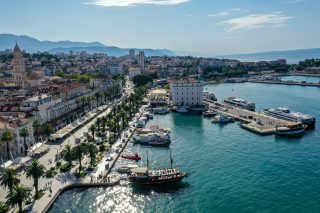
- Riva Promenade: Split's waterfront “living room,” perfect for a stroll, coffee, and sunset views.
- Marjan Hill: A green escape with walking paths and viewpoints that look back over the city and islands.
The Ethnographic Museum appears in our Complete Guide to Visiting Split!

Moira & Andy
Hey! We're Moira & Andy. From hiking the Camino to trips around Europe in Bert our campervan — we've been traveling together since retirement in 2020!
This website uses affiliate links which may earn a commission at no additional cost to you!
Planning Your Visit
(Summer) June 1 - August 31; Monday - Friday: 09:00-19:00. Saturday: 10:00-17:00. Sunday: 10:00-14:00.
(Winter) November 1 - May 31; Monday - Friday: 09:00-16:00. Saturday: 10:00-14:00.
(Winter) September 1 - September 30; Monday - Friday: 09:00-18:00. Saturday: 10:00-17:00. Sunday: 10:00-14:00.
(Winter) October 1 - October 31; Monday - Friday: 09:00-17:00. Saturday: 10:00-14:00.
Closed on public holidays.
Adults: €7; Schoolchildren/Students/Seniors: €4; Groups (10+): €4 per person; Family ticket: €15; Split Card: free admission.
Nearby Attractions
- Vestibule (0) km
Courtyard, Historic Room and Historic Site - Bronze Gate (0) km
Attraction, City Gate and Historic Site - Podrum (0) km
Historic Room, Historic Site and Roman Site - Diocletian's Palace (0) km
Historic Building, Historic Site and Palace - Cathedral of St. Domnius (0) km
Cathedral and Religious Building - Temple of Jupiter (0.1) km
Historic Site, Religious Building and Roman Site - Riva Harbor (0.1) km
Area, Harbour and Promenade - Silver Gate (0.1) km
City Gate, City Walls and Historic Site - City Museum of Split (0.1) km
Historic Building, Historic Site and Museum - Iron Gate and Church of Our Lady of the Bell Tower (0.1) km
Church, City Gate and Historic Site