Egnazia, Bari
Roman Site near Bari
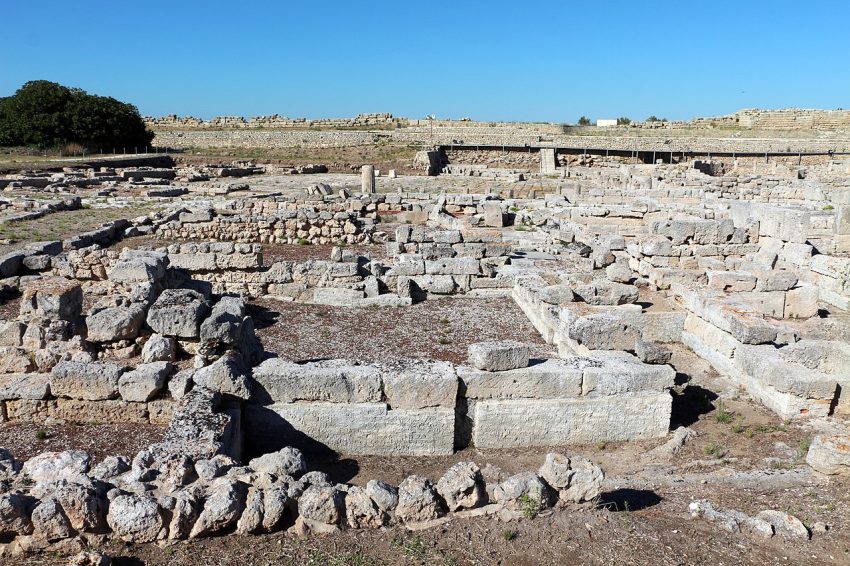
Egnazia, or Gnatia as it was once called, lies along the Adriatic coast, just southeast of Bari. The site traces its origins to the Bronze Age, around the 13th century BC, and reveals a layered history shaped by Greek settlers, Roman builders, and centuries of invasions from across the sea. What makes Egnazia so captivating is its authenticity - here, you can walk through ancient walls, touch the stones of the Via Traiana, and imagine the hum of life in a port that once linked Rome to Brindisi. It's one of the best trips to go on from Bari, especially for travelers who love history, archaeology, and quiet coastal landscapes.
The on-site museum is the best place to start your visit. Although most of the text is in Italian, the exhibits are clear and beautifully arranged, charting Egnazia’s development through millennia of settlement. Artifacts unearthed from local excavations - pottery, jewelry, mosaics, and burial objects - give a vivid sense of everyday life in ancient Apulia, where different cultures met and mingled along the Adriatic trade routes.
History and Significance
The story of Egnazia begins long before the Romans arrived. Bronze Age peoples first established a settlement here, attracted by the natural harbor and fertile land. Over time, the area became a crossroads of trade, but also a target for invaders. The Greeks influenced its early urban layout, leaving behind traces of their architecture, which would later merge with Roman design.
In the late third century BC, the city was absorbed into the Roman Empire and flourished along the Via Traiana, one of Italy's great coastal roads. Its prosperity, however, was fragile - centuries of attacks by the Visigoths, Saracens, and Turks eventually drove the inhabitants away, and by the 10th century, Egnazia was abandoned. Yet, the remains still speak powerfully of its past: fragments of the road, parts of the amphitheater, the forum, and two early Christian basilicas that mark the city's transition from pagan to Christian faith.
Things to See and Do
The archaeological area of Egnazia is divided into three main zones: the city, necropolis, and acropolis. The city walls built by the earliest settlers still stand in sections, offering an impressive glimpse into early defensive engineering. Within the Roman area, you can trace the straight lines of the Via Traiana, explore the remains of homes and shops, and climb among the stones of the amphitheater.
The necropolis, with its underground tombs, offers a more intimate look at life and death in ancient times, while the acropolis, perched above the rest, rewards visitors with sweeping sea views. The museum nearby provides essential context, and clear bilingual signage throughout the site helps visitors understand how each layer of history fits together. For anyone passionate about Roman history, it's one of the best places to go on a day trip from Bari.
How to Get to Egnazia
Egnazia is located near the coastal town of Fasano, roughly 70 kilometers southeast of Bari. The easiest way to reach it is by car via the SS16 coastal highway, which runs between Bari and Brindisi, with clear signage for the archaeological site. The drive takes about one hour and passes through olive groves and seaside towns. If you are looking to rent a car in Italy I recommend having a look at Discover Cars, first, as they compare prices and review multiple car rental agencies for you. Alternatively, you can take a train from Bari to Fasano and a short taxi ride or local bus to the site.
Practical Tips for Visiting Egnazia
- Best time to visit: Spring or autumn for mild weather and fewer crowds
- Entrance fee in Euros: Around €6 for the museum and site combined
- Opening hours: Typically 9 AM-7 PM, closed Mondays
- Official website: Search “Parco Archeologico di Egnazia” for updates and ticket details
- How long to spend: 2-3 hours to see both the museum and ruins
- Accessibility: Uneven terrain; some paths may not be suitable for wheelchairs
- Facilities: Restrooms, small gift shop, and shaded picnic areas
- Photography tip: Visit late afternoon when the golden light enhances the limestone walls
- Guided tours: Available in English and Italian, providing detailed historical context
- Nearby food options: Restaurants and trattorias in Fasano and Savelletri serve excellent seafood
What Other Travellers Say...
Borgo Egnazia in Savelletri offers refined, village-like accommodations with sea views, multiple pools, a luxury spa and several on-site restaurants; guests praise the immaculate grounds, photogenic nooks, attentive service and spacious rooms or villas ideal for families, while others note a remote location requiring a shuttle or drive to the rocky beach, occasional commercialized dining and activity options, and some front-desk or shuttle service lapses that have led to billing and refund frustrations for a few visitors.


The Egnazia appears in our Complete Guide to Visiting Bari!

Moira & Andy
Hey! We're Moira & Andy. From hiking the Camino to trips around Europe in Bert our campervan — we've been traveling together since retirement in 2020!
This website uses affiliate links which may earn a commission at no additional cost to you!
Planning Your Visit
Summer: 8:30am – 7:30pm
Winter: 8:30am – 4:30pm
€3
Nearby Attractions
- Locorotondo (15.6) km
Town - Trullo Sovrano (17.2) km
Historic Building - Territory Museum “House Pezzolla” (17.2) km
Museum - Church of Saints Cosmas and Damiano (17.2) km
Attraction, Church and Religious Building - Basilica dei Santi Medici Cosma e Damiano (17.2) km
Basilica - Rione Aia Piccola (17.2) km
Area - Casa d’Amore (17.2) km
Historic Building - Vino & Amore (17.2) km
Attraction, Café and Shop - Church of Saint Lucia (17.3) km
Church and Religious Building - Belvedere Santa Lucia (17.3) km
Viewing Point